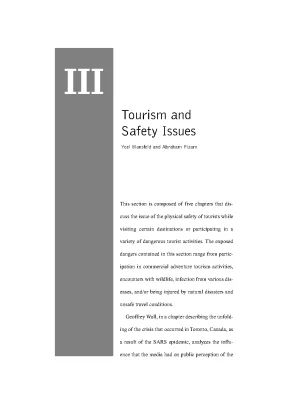
Tổng quan về giáo trình
Giáo trình An Ninh và An Toàn Du Lịch: Từ Lý Thuyết Đến Thực Tiễn (nguyên tác: Tourism Security and Safety: From Theory to Practice, đồng chủ biên bởi Giáo sư Yoel Mansfeld và Giáo sư Abraham Pizam) là học liệu chuyên khảo thuộc khối kiến thức chuyên ngành của chương trình đào tạo bậc Đại học và Sau đại học ngành Quản trị Du lịch và Lữ hành, Quản trị Khách sạn và Quy hoạch Điểm đến.
Về mục tiêu học tập (learning outcomes), giáo trình cung cấp cho người học năng lực:
- Nhận diện, phân loại và đánh giá các mối nguy hại vật lý, hiểm họa dịch bệnh, thảm họa thiên nhiên, các rủi ro xã hội và bất ổn chính trị tác động đến hoạt động du lịch.
- Phân tích cơ chế tác động của nhận thức rủi ro (risk perception) và vai trò của truyền thông đối với hành vi ra quyết định của du khách và sự suy giảm nhu cầu điểm đến.
- Vận dụng các khung lý thuyết quản trị rủi ro và quản trị khủng hoảng để xây dựng các giải pháp phòng ngừa, ngăn chặn, giảm thiểu thiệt hại và phục hồi điểm đến sau các sự kiện cực đoan.
Giáo trình được tổ chức theo phương pháp tiếp cận đa ngành, kết hợp chặt chẽ giữa lý thuyết quản trị học, tâm lý học hành vi, luật học và dịch tễ học với hệ thống dữ liệu thực nghiệm (empirical data) toàn cầu. Điểm đặc thù của tài liệu là sự chuyển dịch từ việc xem xét các sự kiện bất lợi như những biến cố đơn lẻ sang việc hệ thống hóa chúng thành các hiện tượng mang tính chu kỳ trong một môi trường hoạt động nhiều biến động (turbulent environment), từ đó xác lập trách nhiệm quản trị cụ thể giữa khu vực công và khu vực tư nhân.
Nội dung kiến thức cốt lõi
Các chương và chủ đề chính
Tài liệu tập trung nghiên cứu các khía cạnh an toàn vật lý và an ninh du lịch thông qua các chương trọng tâm:
- Khủng hoảng dịch bệnh và chiến lược phục hồi điểm đến đô thị (Chương 8 - Geoffrey Wall): Phân tích đợt bùng phát dịch SARS năm 2003 tại Toronto (Canada). Nội dung tập trung vào vai trò của truyền thông trong việc phóng đại mức độ rủi ro, tác động của cảnh báo du lịch từ Tổ chức Y tế Thế giới (WHO) khiến công suất phòng khách sạn tại Toronto giảm xuống còn 46,6% và làm sụt giảm 14% lượng khách quốc tế của Canada. Chương này làm rõ các biện pháp ứng phó ngắn hạn (tổ chức đại nhạc hội Rolling Stones kích cầu chi tiêu nội địa đạt 75,2 triệu USD) và dài hạn (liên minh Toronto03 Alliance, gói tiếp thị và chính sách thuế lưu trú).
- Quản trị rủi ro trong du lịch mạo hiểm thương mại (Chương 9 - Damian Morgan và Martin Fluker): Tiếp cận định nghĩa du lịch mạo hiểm theo C. M. Hall (1992), xem xét sự tương tác giữa ba yếu tố: người tham gia, kỹ năng vận hành của nhà tổ chức và bối cảnh môi trường. Khảo sát vụ tai nạn hẻm núi Interlaken (Thụy Sĩ, 1999) để chỉ ra các sai lầm trong việc phớt lờ cảnh báo khí tượng và thiếu năng lực xử lý tình huống khẩn cấp của hướng dẫn viên.
- Tác động của thảm họa đối với điểm đến du lịch ngoại vi (Chương 10 - Wilson Irvine và Alistair Anderson): Nghiên cứu dịch lở mồm long móng (Foot and Mouth Disease - FMD) năm 2001 tại Anh. Tác giả đối chiếu vùng Cumbria (bị ảnh hưởng trực tiếp, đóng cửa nông thôn, mất hơn 25% việc làm du lịch) với vùng Grampian tại Scotland (không có ca nhiễm bệnh nào). Kết quả khảo sát thực nghiệm chỉ ra rằng Grampian vẫn chịu sự sụt giảm hơn 50% khối lượng kinh doanh do nhận thức tiêu cực từ hình ảnh tiêu hủy gia súc trên truyền thông.
- An toàn, an ninh và dòng khách quốc tế tại thị trường đang phát triển (Chương 11 - Zélia Breda và Carlos Costa): Phân loại các rủi ro du lịch tại Trung Quốc bao gồm tội phạm (móc túi, cướp giật tại các khu giải trí Bắc Kinh, Thượng Hải, Thâm Quyến), các mối nguy sức khỏe (sốt rét, tả, viêm gan A, SARS), an toàn giao thông nội địa, thiên tai và các quy định pháp lý địa phương.
- Đánh giá rủi ro từ tương tác với động vật hoang dã (Gianna Moscardo, Matthew Taverner và Barbara Woods): Khảo sát hành vi của du khách tại vùng Bắc Queensland (Úc), phân tích nghịch lý giữa mức độ nhận thức nguy hiểm và xu hướng không thay đổi hành vi tiếp cận động vật của du khách.
Logic phát triển nội dung đi từ việc nhận diện các loại hình nguy cơ cụ thể (dịch bệnh, hoạt động mạo hiểm, dịch hại nông nghiệp) đến phân tích tác động tâm lý và kinh tế, kết thúc bằng việc đề xuất mô hình tích hợp để kiểm soát rủi ro.
+-------------------------------------------------------------------------+
|                  MÔI TRƯỜNG VẬN HÀNH DU LỊCH MẠO HIỂM                  |
|                                                                         |
|  [Vùng quan tâm gián tiếp]                                             |
|  - Môi trường pháp lý: Luật chung, Luật Hàng hải, Nghĩa vụ cẩn trọng   |
|  - Hệ thống công nhận: Tiêu chuẩn an toàn, Chứng chỉ nghề, Bảo hiểm     |
|  - Y tế & Chính sách công: Thống kê chấn thương, Hỗ trợ kinh tế       |
|                                                                         |
|        +-------------------------------------------------------+        |
|        | [Vùng ảnh hưởng trực tiếp của Nhà vận hành]           |        |
|        |                                                       |        |
|        |   +-----------------------------------------------+   |        |
|        |   |                 NHÀ VẬN HÀNH                  |   |        |
|        |   | - Năng lực kỹ thuật (Hard skills)             |   |        |
|        |   | - Kỹ năng tương tác (Soft skills)             |   |        |
|        |   | - Quy trình ứng phó khủng hoảng 6 bước        |   |        |
|        |   +-----------------------------------------------+   |        |
|        |                           |                           |        |
|        |            +--------------+--------------+            |        |
|        |            v                             v            |        |
|        |   +------------------+          +------------------+  |        |
|        |   |  DU KHÁCH        |          |  MÔI TRƯỜNG      |  |        |
|        |   |  - Động cơ       |          |  - Tính biến đổi |  |        |
|        |   |  - Năng lực      |          |  - Mối nguy tự   |  |        |
|        |   |  - Nhận thức     |          |    nhiên         |  |        |
|        |   +------------------+          +------------------+  |        |
|        |            |                             |            |        |
|        |            +--------------+--------------+            |        |
|        |                           v                           |        |
|        |                 KẾT QUẢ TRẢI NGHIỆM                   |        |
|        |         (Thỏa mãn hoặc Chấn thương/Tổn thất)          |        |
|        +-------------------------------------------------------+        |
+-------------------------------------------------------------------------+
Kiến thức nền tảng được xây dựng
- Mô hình môi trường vận hành du lịch mạo hiểm: Phân định ranh giới giữa vùng ảnh hưởng trực tiếp (nhà vận hành, người tham gia, môi trường thực địa) và vùng quan tâm gián tiếp (khung pháp lý, chính sách công, tiêu chuẩn kiểm định ngành và thống kê dịch tễ học chấn thương).
- Mô hình quản trị khủng hoảng 6 giai đoạn của Norman R. Augustine (2000):
- Tránh né khủng hoảng (Crisis avoidance).
- Chuẩn bị quản trị khủng hoảng (Preparing to manage).
- Nhận diện khủng hoảng (Recognizing the crisis).
- Ngăn chặn và cô lập khủng hoảng (Containing the crisis).
- Giải quyết khủng hoảng (Resolving the crisis).
- Khai thác bài học kinh nghiệm sau khủng hoảng (Profiting from the crisis).
- Lý thuyết cấu trúc vùng lõi - vùng ngoại vi (Core - Peripheral Theory): Dựa trên nghiên cứu của Brown và Hall (2000), phân tích sự khác biệt về năng lực phục hồi kinh tế, cơ sở hạ tầng và sự phụ thuộc vào hình ảnh không gian thôn dã giữa các trung tâm đô thị và khu vực xa xôi.
- Khái niệm "Sự vô tâm" (Mindlessness) trong an toàn du lịch: Dẫn xuất từ lý thuyết của Ellen Langer (1989), giải thích hiện tượng hướng dẫn viên và nhà điều hành phân loại nguy cơ và đối tượng khách theo lối mòn kinh nghiệm cũ, dẫn đến việc mất cảnh giác trước những biến đổi bất thường của tự nhiên.
Kỹ năng phát triển
- Kỹ năng chuyên môn kỹ thuật (Hard skills): Năng lực xây dựng tài liệu hướng dẫn an toàn, vận hành thiết bị chuyên dụng, sơ cấp cứu, đọc các chỉ số cảnh báo môi trường tự nhiên (mực nước, thời tiết).
- Kỹ năng giao tiếp và quản trị tâm lý (Soft skills): Đánh giá trạng thái tâm lý, phân nhóm năng lực khách hàng, giải tỏa ức chế tâm lý và điều tiết nhận thức rủi ro của du khách trong các tình huống nguy hiểm.
- Kỹ năng phân tích định lượng: Sử dụng phần mềm thống kê (như SPSS) để xử lý dữ liệu khảo sát, thực hiện kiểm định Chi-square và phân tích chéo để đo lường tương quan giữa vị trí địa lý của doanh nghiệp và mức độ thiệt hại kinh tế.
Phương pháp giảng dạy và học tập
Giáo trình áp dụng phương pháp sư phạm tiếp cận giải quyết vấn đề (Problem-Based Learning - PBL) và phương pháp nghiên cứu tình huống thực chứng (Empirical Case Method).
+-------------------------------------------------------------------+
|               QUY TRÌNH HỌC TẬP VÀ PHÂN TÍCH TÌNH HUỐNG           |
|                                                                   |
|   1. KHẢO SÁT DỮ LIỆU                                             |
|      - Báo cáo dịch tễ học / Báo chí / Cảnh báo du lịch           |
|      - Số liệu thống kê thị trường (Lượng khách, Công suất phòng) |
|                                v                                  |
|   2. ĐỐI CHIẾU KHUNG LÝ THUYẾT                                    |
|      - Phân tích 3 yếu tố trải nghiệm mạo hiểm (Morgan & Fluker)   |
|      - Áp dụng chu trình khủng hoảng 6 bước (Augustine)           |
|      - Phân tích Core vs Peripheral (Brown & Hall)                |
|                                v                                  |
|   3. ĐÁNH GIÁ NGHĨA VỤ VÀ TRÁCH NHIỆM                             |
|      - Nghĩa vụ cẩn trọng (Duty of Care)                          |
|      - Trách nhiệm của Khu vực Công vs Khu vực Tư nhân            |
|                                v                                  |
|   4. XÂY DỰNG CHIẾN LƯỢC PHỤC HỒI                                 |
|      - Ngắn hạn: Giảm giá gói dịch vụ, sự kiện quy mô lớn        |
|      - Dài hạn: Tái cấu trúc tiếp thị, bảo hiểm, kiểm định ngành  |
+-------------------------------------------------------------------+
Bài tập và phân tích tình huống thực tế
- Tình huống Toronto và SARS (Chương 8): Yêu cầu người học phân tích hiệu quả tài chính của việc tổ chức sự kiện đại chúng so với việc trợ cấp thuế và tài trợ quảng bá toàn cầu.
- Tình huống pháp lý Interlaken (Chương 9): Yêu cầu sinh viên xác định vi phạm nghĩa vụ cẩn trọng (duty of care) và trách nhiệm pháp lý của nhà điều hành khi bỏ qua các bản tin dự báo thời tiết.
- Tình huống dịch bệnh tại Cumbria và Grampian (Chương 10): Sinh viên thực hành phân tích số liệu từ bảng biểu khảo sát (như Bảng 5, Bảng 6, Bảng 7) để giải thích sự sai lệch giữa mức độ sụt giảm kinh doanh dự đoán và thực tế.
Phương pháp đánh giá và hướng dẫn tự học
- Hệ thống câu hỏi ôn tập (Review Questions): Cuối mỗi chương, sinh viên phải thực hiện các bài tập phân loại sự kiện cực đoan dựa trên ba tiêu chí: cường độ (magnitude), tần suất xuất hiện (frequency) và thời gian diễn ra (duration).
- Phân tích tài liệu nguồn: Giáo trình yêu cầu người học thu thập các bản tin báo chí địa phương hoặc các thông báo cảnh báo du lịch (Travel Advisories) thực tế để đánh giá tác động tiềm tàng đến dòng khách.
Điểm nổi bật và cập nhật
- Khảo sát thực nghiệm diện rộng: Giáo trình tích hợp dữ liệu sơ cấp từ các cuộc điều tra thực địa, tiêu biểu là mẫu 180 doanh nghiệp tại Grampian (thực hiện qua 2 giai đoạn: năm 2001 và năm 2003) và mẫu 170 doanh nghiệp tại Cumbria (năm 2003), cho phép so sánh mức độ ảnh hưởng của khủng hoảng theo thời gian thực.
- Xóa bỏ định kiến về tính bất khả kháng: Thay vì coi rủi ro và thảm họa là những yếu tố ngẫu nhiên ngoài tầm kiểm soát, giáo trình chuẩn hóa chúng thành các biến số vận hành có thể dự báo và lập kế hoạch giảm thiểu thiệt hại.
- Liên kết chặt chẽ với pháp luật và bảo hiểm: Phân tích thực tế các vấn đề về Bảo hiểm Trách nhiệm Công cộng (Public Liability Insurance - PLI), sự gia tăng phí bảo hiểm, các điều khoản miễn trừ trách nhiệm (waivers) và các quy chuẩn cấp phép hành nghề của các tổ chức quốc tế (như PADI trong lặn biển).
Đối tượng sử dụng giáo trình
- Sinh viên đại học (Năm 3, Năm 4): Thuộc các chuyên ngành Quản trị Dịch vụ Du lịch & Lữ hành, Quản trị Khách sạn, Kinh tế Du lịch.
- Học viên cao học và nghiên cứu sinh: Sử dụng tài liệu để phát triển các đề tài nghiên cứu về quản trị khủng hoảng, tính dễ bị tổn thương của điểm đến và hành vi ra quyết định của du khách trong điều kiện rủi ro.
- Điều kiện tiên quyết (Prerequisites): Người học cần hoàn thành các học phần: Nhập môn Du lịch học, Tổng quan Quản trị học, Marketing Du lịch và Phương pháp Nghiên cứu Định lượng cơ bản.
- Giảng viên và chuyên gia trong ngành: Dùng làm khung tài liệu giảng dạy chuyên sâu, xây dựng giáo án thảo luận tình huống và hỗ trợ các nhà quản lý doanh nghiệp lữ hành, ban quản lý khu du lịch trong việc thiết lập sổ tay quy trình an toàn.
Câu hỏi thường gặp
1. Giáo trình này phù hợp với ai?
Tài liệu phù hợp cho sinh viên đại học năm cuối, học viên sau đại học ngành du lịch, giảng viên chuyên ngành và các nhà quản lý vận hành tour du lịch, đặc biệt là các đơn vị khai thác du lịch mạo hiểm và quản lý điểm đến.
2. Cần kiến thức nền nào để tiếp thu tốt giáo trình?
Người học cần có kiến thức cơ bản về quản trị kinh doanh du lịch, nguyên lý marketing, hiểu biết tổng quan về hệ thống pháp luật doanh nghiệp và kỹ năng đọc hiểu số liệu thống kê mô tả.
3. Điểm khác biệt của giáo trình này so với các tài liệu quản trị du lịch thông thường là gì?
Giáo trình không tập trung vào các quy trình kinh doanh trong điều kiện lý tưởng mà đi sâu vào các tình huống đứt gãy, khủng hoảng và các mối đe dọa an toàn vật lý. Tài liệu chứng minh bằng số liệu thực nghiệm rằng nhận thức rủi ro của du khách thường gây thiệt hại kinh tế lớn hơn chính hiểm họa thực tế.
4. Làm sao để tự học và nghiên cứu hiệu quả nội dung giáo trình?
Người học nên kết hợp đọc lý thuyết với việc trả lời toàn bộ các câu hỏi ôn tập ở cuối mỗi chương, đồng thời đối chiếu các mô hình lý thuyết (như mô hình 6 giai đoạn của Augustine hay mô hình 3 yếu tố của Morgan & Fluker) vào các vụ việc khủng hoảng du lịch đang diễn ra trên thực tế.
5. Giáo trình có tài liệu bổ trợ nào kèm theo?
Tài liệu cung cấp hệ thống định nghĩa khái niệm chuẩn hóa (Concept Definitions) ở mỗi chương, danh mục tài liệu tham khảo chi tiết từ các tạp chí khoa học chuyên ngành (Annals of Tourism Research, Journal of Travel Research) và các báo cáo điều tra độc lập từ các cơ quan chính phủ (như Anderson Report của Nghị viện Anh).
Kết luận
Giáo trình An Ninh và An Toàn Du Lịch: Từ Lý Thuyết Đến Thực Tiễn xác lập một khung tham chiếu học thuật về quản trị rủi ro và an toàn trong ngành công nghiệp không khói. Bằng việc phân tích sâu sắc các dữ liệu thực nghiệm về khủng hoảng dịch tễ, rủi ro du lịch mạo hiểm và sự tổn thương của các vùng ngoại vi, tác phẩm cung cấp nền tảng kiến thức cho việc hoạch định chính sách và vận hành doanh nghiệp. Lộ trình học tập đề xuất là tiếp cận từ nguyên lý nhận thức rủi ro, chuyển sang quản trị an toàn vi mô tại cơ sở khai thác và nâng cao lên năng lực điều phối khủng hoảng vĩ mô cấp điểm đến.