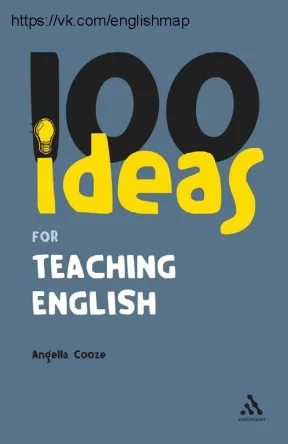
com/englishmap 100 IDEAS FOR TEACHING ENGLISH CONTINUUM ONE HUNDREDS SERIES 100 Ideas for Managing Behaviour - Johnnie Young 100 Ideas for Supply Teachers - Julia Murphy 100 Ideas for SurvivingYour FirstYear in Teaching - Laura-Jane Fisher 100 Ideas for Teaching Citizenship - Ian Davies 100 Ideas for Teaching Creativity - Stephen Bowkett 100 Ideas for Teaching English - Angella Cooze 100 Ideas for Teaching History - Julia Murphy 100 Ideas for Teaching Languages - Nina Griffith 100 Ideas for Teaching Mathematics - Mike Ollerton 100 Ideas for Teaching Science - Sharon Archer 100 Ideas for Teaching Thinking Skills - Stephen Bowkett 100 Ideas for Trainee Teachers - Angella Cooze OTHER ENGLISH TITLES Beginning Reading - Yola Center Getting the Buggers to Read - Claire Senior Getting the Buggers to Write - Sue Cowley Teaching and Learning English - Richard Andrews Teaching Literacy - Fred Sedgwick Teaching Poetry - Fred Sedgwick 100 IDEAS FOR TEACHING ENGLISH Angella Cooze continuum LONDON • NEW YORK Continuum International Publishing Group The Tower Building 15 East 26th Street 11 York Road New York, NY 10010 London SE1 7NX www.com © Angella Cooze 2006 All rights reserved. No part of this publication may be reproduced or transmitted in any form or by any means, electronic or mechanical, including photocopying, recording, or any information storage or retrieval system, without prior permission in writing from the publishers. British Library Cataloguing-in-Publication Data A catalogue record for this book is available from the British Library. ISBN: 0-8264-8480-8 (paperback) Typeset by Ben Cracknell Studios Printed and bound in Great Britain by MPG Books Ltd, Bodmin, Cornwall CONTENTS SECTION I Let's start at the beginning | 1 | The English classroom 2 | 2 | Sentence types 3 | 3 | Getting more complex 4 | 4 | Adjectives 5 | 5 | Connotation: introducing implied meaning 7 | 6 | Nouns 8 | 7 | Pronouns 9 | 8 | Adverbs 10 | 9 | Connectives 11 | 1Q | What are you doing? Verbs 12 | 11 | Where do commas go? 13 | 12 | What's an apostrophe? 14 | 13 | More on apostrophes 15 | 14 | Where do speech marks go? 17 | 15 | Capital letters and punctuation in speech 18 | 16 | Ref i n i ng d i rect spee 19 | 17 | How do you spell .? Some troublesome words 20 | 18 | I can see clearly now - tips for improving handwritin 22 | 19 | Position and pen control 23 | 20 | Forming letters 24 SECTION 2 Writing | 21 | Narrative - structuring stories 26 | 22 | Establishing character 28 | 23 | Creating atmosphere - reaction 29 | 24 | Creating atmosphere - place 30 25 | Identifying metaphor and simile 31 | 26 | Literal versus metaphorical 32 | 27 | Formal or informal? 34 | 28 | Writing to describe 35 | 29 | Writing to persuade 36 | 30 All about me - what is autobiography? 37 | 31 | Me, me, me - writing autobiography 38 I 33 I Further ideas 39 SECTION 3 Introducing reading and understanding | 33 | Close reading of persuasive text 42 | 34 | Who? Understanding character 43 | 35 | What is atmosphere?
TỔNG QUAN HỌC THUẬT VỀ TÀI LIỆU "100 IDEAS FOR TEACHING ENGLISH"
Tổng quan về giáo trình (250-300 từ)
100 Ideas for Teaching English là tài liệu nghiệp vụ sư phạm do tác giả Angella Cooze biên soạn, thuộc hệ thống xuất bản Continuum One Hundreds Series của Nhà xuất bản Quốc tế Continuum (Continuum International Publishing Group, Luân Đôn – New York, 2006; mã số tiêu chuẩn quốc tế ISBN: 0-8264-8480-8). Trong chương trình đào tạo ngành Sư phạm Tiếng Anh và Phương pháp Giảng dạy Ngôn ngữ (ELT/TESOL) ở bậc đại học và sau đại học, tài liệu này giữ vị trí tham khảo chuyên sâu cho học phần Phương pháp Dạy học Tiếng Anh (English Teaching Methodology), Thực tập Sư phạm và Thiết kế Hoạt động Lớp học.
Mục tiêu học tập của giáo trình tập trung vào việc trang bị cho người học năng lực tổ chức bài giảng, xử lý các hiện tượng ngôn ngữ học ứng dụng (ngữ pháp, từ vựng, ngữ âm, chấm câu), phát triển kỹ năng đọc hiểu văn bản văn học lẫn phi hư cấu, và triển khai các kỹ thuật dạy học tích cực (hoạt động kịch nghệ, tranh biện, ứng dụng công nghệ thông tin).
Cấu trúc giáo trình bao gồm 100 ý tưởng sư phạm độc lập được phân loại có hệ thống thành 12 phân mục (Sections). Cách tiếp cận của tài liệu đi từ việc thiết lập môi trường vật chất trong lớp học (Section 1), phát triển các kỹ năng thực hành viết và đọc hiểu (Sections 2–4), khai thác các thể loại văn bản chuyên biệt như thơ ca, kịch bản, báo chí (Sections 5–7), cho đến việc mở rộng các kỹ năng nói, nghe, kịch nghệ, công nghệ và phương pháp phân hóa học tập (Sections 8–12). Điểm đặc trưng của tài liệu là tính định lượng và cấu trúc hóa rõ ràng: mỗi ý tưởng cung cấp mục tiêu sư phạm, quy trình các bước triển khai cụ thể trên lớp, bảng ví dụ minh họa và các phương án mở rộng bài tập phù hợp với trình độ học sinh.
Nội dung kiến thức cốt lõi (500-600 từ)
Các chương/chủ đề chính
Giáo trình chia toàn bộ 100 ý tưởng thành 12 phân mục chính theo tiến trình sư phạm từ căn bản đến nâng cao:
- Section 1: Let's start at the beginning (Ý tưởng 1–20): Tập trung xây dựng không gian học tập (Idea 1), nhận diện và phân loại cấu trúc câu từ đơn, ghép đến phức (Ideas 2–3), chuẩn hóa từ loại như tính từ, danh từ cụ thể/trừu tượng, đại từ, phó từ, liên từ, động từ (Ideas 4–10), các quy tắc chấm câu như dấu phẩy, dấu nháy đơn biểu thị sở hữu và rút gọn, dấu ngoặc kép trong hội thoại trực tiếp (Ideas 11–16), quy tắc chính tả ("the disappearing 'e'", nhân đôi phụ âm) và kỹ thuật rèn luyện chữ viết, tư thế cầm bút (Ideas 17–20).
- Section 2: Writing (Ý tưởng 21–32): Hướng dẫn cơ chế xây dựng cốt truyện tự sự theo mô hình 4 giai đoạn (mở đầu, phát triển cốt truyện/nhân vật, xung đột/vấn đề, giải quyết vấn đề), thiết lập nhân vật, tạo lập không khí không gian và phản ứng cơ thể (Ideas 21–24), phân biệt nghĩa đen và nghĩa bóng, ẩn dụ và so sánh (Ideas 25–26), phong cách thư tín trang trọng và thân mật (Idea 27), văn miêu tả qua 5 giác quan (Idea 28), kỹ thuật văn thuyết phục (Idea 29) và quy trình viết tự truyện (Ideas 30–32).
- Section 3 & 4: Reading, Understanding & Comprehension Skills (Ý tưởng 33–49): Kỹ thuật đọc sâu văn bản thuyết phục, phân tích nhân vật, bối cảnh, chuyển thể từ phim sang sách, xử lý văn bản đọc chung (class reader), các bài tập thấu cảm (empathy tasks) và kỹ năng đọc hiểu tầng sâu (between the lines), phân tích trích đoạn, đọc ngôn ngữ cơ thể.
- Section 5 & 6: Exploring Poetry & A Focus on Plays (Ý tưởng 50–68): Phân tích cấu trúc thơ, nhịp điệu, tốc độ, hình ảnh, âm thanh, thể thơ tự sự (ballad); tiếp cận kịch bản sân khấu, phương pháp tiếp cận tác phẩm kịch bản của Shakespeare thông qua âm nhạc, phim ảnh và các gợi ý biểu cảm kịch bản.
- Section 7, 8 & 9: Non-fiction, Speaking/Listening & Drama (Ý tưởng 69–86): Phân tích văn bản báo chí (khổ lớn - broadsheet và báo lá cải - tabloid), mục đích và đối tượng tiếp nhận; kỹ thuật tranh luận (balloon debate, formal debate); các kỹ thuật kịch nghệ lớp học bao gồm hot seating, tableau, thought tracking và role-play.
- Section 10, 11 & 12: ICT, Boys and English, Differentiation (Ý tưởng 87–100): Tích hợp công nghệ thông tin trong soạn thảo và nghiên cứu; chiến lược giảng dạy môn Tiếng Anh cho học sinh nam (nội dung ngắn gọn, sơ đồ chỗ ngồi, lựa chọn ngữ liệu); các phương pháp phân hóa trình độ học tập (differentiation).
Kiến thức nền tảng được xây dựng
Giáo trình củng cố hệ thống lý thuyết ngôn ngữ học ứng dụng và phân tích diễn ngôn:
- Cơ sở ngữ pháp chức năng: Khái niệm mệnh đề độc lập, mệnh đề phụ thuộc, liên từ (connectives), cụm trạng từ mở đầu (adverbial sentence openers).
- Ngữ nghĩa học và Tu từ học: Phân định giữa nghĩa biểu vật (literal meaning) và nghĩa biểu cảm/ngụ ý (connotation/implied meaning); bản chất so sánh đối chiếu của ẩn dụ (metaphor) và so sánh (simile).
- Lý thuyết tiếp nhận và thể loại văn bản: Quy chuẩn văn bản hành chính/thân mật dựa trên yếu tố đối tượng tiếp nhận (audience) và mục đích giao tiếp (purpose); các biện pháp thuyết phục (rhetorical questions, rule of three, hyperbole, emotive language).
Kỹ năng phát triển
- Năng lực sư phạm thực hành: Thiết kế giáo án vi mô, xây dựng bảng từ vựng (word banks), tạo lập phiếu bài tập điền khuyết (cloze exercises) và phiếu phân tích văn bản.
- Năng lực phân tích và phản biện: Nhận diện tầng nghĩa ngầm ẩn trong văn bản báo chí và quảng cáo, phân tích mối quan hệ giữa kết cấu hình thức và hiệu quả nghệ thuật trong thơ ca/kịch bản.
- Năng lực tổ chức hoạt động tương tác: Ứng dụng các kỹ thuật kịch nghệ giáo dục (tableau, thought tracking, hot seating) để giải mã tâm lý nhân vật văn học.
Phương pháp giảng dạy và học tập (300-350 từ)
Giáo trình của Angella Cooze vận dụng mô hình sư phạm trực quan, phân bậc hành vi và học tập qua hành động (activity-based learning). Cách tiếp cận sư phạm chủ đạo là scaffolding (hỗ trợ có nấc thang), trong đó giáo viên làm mẫu quy tắc, hướng dẫn học sinh phân tích cấu trúc, sau đó chuyển giao sang thực hành nhóm và tự thực hành cá nhân.
Các dạng bài tập và hoạt động thực hành đặc thù được thiết kế chi tiết trong văn bản gồm:
- Hoạt động ghép thẻ (Card-matching tasks): Sử dụng các mảnh bìa in sẵn chủ ngữ, cụm động từ hoặc mệnh đề phụ thuộc để học sinh ghép thành các câu đơn, câu ghép và câu phức hoàn chỉnh (Idea 2, Idea 3).
- Sơ đồ hóa trực quan (Mapping techniques): Kỹ thuật "sơ đồ cơ thể" (map of the body - Idea 23) để học sinh ghi nhận các phản ứng sinh lý khi sợ hãi (dựng tóc gáy, ớn lạnh sống lưng), kết hợp với sơ đồ "ngôi nhà ma ám" (Idea 24) để tạo lập câu phức miêu tả không khí.
- Học ngôn ngữ đa giác quan (Multi-sensory learning): Sử dụng lọ đựng mùi hương (cỏ tươi, giấm, bột phấn - Idea 32) để kích hoạt trí nhớ xúc cảm khi viết tự truyện; kết hợp diễn kịch câm khi bốc thăm cặp động từ - trạng từ (Idea 8).
- Phương pháp đánh giá: Sử dụng bảng đối chiếu tiêu chí (level descriptors), nhật ký theo dõi lỗi chính tả cá nhân (spelling diary - Idea 17), cùng quy trình đánh giá đồng đẳng (peer assessment) thông qua việc đổi bài đọc và xác định các biện pháp tu từ, loại câu hoặc lỗi chấm câu của bạn học.
Điểm nổi bật và cập nhật (250-300 từ)
100 Ideas for Teaching English thể hiện rõ các định hướng đổi mới phương pháp dạy học tiếng Anh theo chuẩn giáo dục hiện đại của Anh quốc (giai đoạn chuyển tiếp từ Key Stage 2 lên Key Stage 3 và Key Stage 4):
- Tích hợp các phương tiện kỹ thuật số (ICT): Section 10 và các ý tưởng xuyên suốt đề cập trực tiếp đến việc sử dụng Bảng tương tác thông minh (Interactive Whiteboard - IWB), Máy chiếu qua đầu (OHP), phần mềm chế bản điện tử (Desktop Publishing - DTP) và mạng Internet trong việc hỗ trợ học sinh soạn thảo, biên tập và nghiên cứu tư liệu (Ideas 1, 10, 20, 27, 87–91).
- Chuyên đề chuyên biệt về giới tính trong giáo dục ngôn ngữ: Section 11 (Boys and English, Ideas 92–97) tập trung phân tích các giải pháp khắc phục rào cản học tập của học sinh nam đối với môn Ngữ văn/Tiếng Anh, bao gồm việc áp dụng các nhiệm vụ học tập có cấu trúc ngắn gọn, dứt khoát (short and sharp), lựa chọn thể loại văn bản phù hợp và quy hoạch sơ đồ chỗ ngồi trong lớp học (seating plans).
- Tính kết nối liên văn bản và liên chuyên ngành: Giáo trình nằm trong hệ thống tham chiếu của chuỗi sách Continuum One Hundreds Series, đồng thời trích dẫn và liên kết với các tài liệu chuyên khảo về năng lực đọc viết như Getting the Buggers to Read (Claire Senior), Getting the Buggers to Write (Sue Cowley), Teaching and Learning English (Richard Andrews), Teaching Literacy và Teaching Poetry (Fred Sedgwick).
Đối tượng sử dụng giáo trình (200-250 từ)
Giáo trình phục vụ trực tiếp cho các nhóm đối tượng sau:
- Sinh viên đại học và học viên cao học: Người học các năm chuyên ngành Sư phạm Tiếng Anh, Ngôn ngữ Anh hoặc các chứng chỉ nghiệp vụ sư phạm (PGCE, TESOL, CELTA) cần tư liệu thực tế để thiết kế kế hoạch bài dạy (lesson plan) và chuẩn bị cho các đợt thực tập giảng dạy.
- Giáo viên tập sự (Trainee Teachers) và giáo viên thỉnh giảng (Supply Teachers): Những người cần các phương án tổ chức lớp học ngắn hạn, các hoạt động khởi động bài học (lesson starters) hoặc bài tập củng cố kiến thức ngữ pháp/văn học nhanh chóng, rõ ràng.
- Giáo viên Ngữ văn/Tiếng Anh đang công tác: Dùng làm tài liệu tham chiếu để đa dạng hóa hoạt động dạy học kỹ năng viết miêu tả, phân tích thơ, kịch bản Shakespeare và giảng dạy văn bản nhật dụng (báo chí, quảng cáo).
- Điều kiện tiên quyết (Prerequisites): Người học cần nắm vững kiến thức ngữ pháp tiếng Anh cơ bản (tương đương chuẩn Key Stage 2/3) và có khả năng đọc hiểu văn bản học thuật bằng tiếng Anh.
Câu hỏi thường gặp (250-300 từ)
1. Giáo trình này phù hợp với đối tượng học viên nào?
Giáo trình phù hợp cho sinh viên ngành Sư phạm Tiếng Anh, giáo viên tập sự, giáo viên bộ môn Tiếng Anh/Ngữ văn ở bậc trung học cơ sở và trung học phổ thông đang tìm kiếm quy trình bài tập thực tế.
2. Người học cần chuẩn bị kiến thức nền tảng gì trước khi tiếp cận?
Cần nắm vững kiến thức cơ bản về ngữ pháp tiếng Anh (các từ loại, cấu trúc câu căn bản) và các thuật ngữ văn học nền tảng (so sánh, ẩn dụ, cấu trúc tự sự).
3. Điểm khác biệt của giáo trình so với các sách lý thuyết sư phạm thông thường là gì?
Tài liệu lược bỏ các phần diễn giải lý thuyết hàn lâm phức tạp, tập trung cấu trúc hóa thành 100 quy trình sư phạm cụ thể, kèm mẫu bài tập, hướng dẫn phân vai và phương án thích ứng trên lớp học.
4. Làm thế nào để tự học và ứng dụng giáo trình hiệu quả?
Người học nên lựa chọn các ý tưởng theo từng kỹ năng mục tiêu (ví dụ: rèn viết miêu tả, chấm câu), sau đó làm thử các phiếu bài tập (cloze test, word bank) và thiết kế thử giáo án dựa trên các bước hướng dẫn trước khi triển khai thực tế.
5. Có tài liệu bổ trợ nào đi kèm giáo trình không?
Giáo trình đề xuất tham khảo các đầu sách cùng hệ thống như 100 Ideas for Trainee Teachers (Angella Cooze), 100 Ideas for Managing Behaviour (Johnnie Young) và các ấn phẩm chuyên khảo về phương pháp đọc viết của Richard Andrews, Sue Cowley và Fred Sedgwick.
Kết luận (150 từ)
100 Ideas for Teaching English của Angella Cooze (Continuum, 2006, ISBN: 0-8264-8480-8) cung cấp một khung thực hành sư phạm chi tiết gồm 100 đơn vị bài học trải rộng trên 12 chủ đề từ cơ bản đến nâng cao. Lộ trình học tập được thiết kế logic từ việc chuẩn hóa môi trường lớp học, kiểm soát cấu trúc câu và từ loại, đến việc nâng cao năng lực cảm thụ văn học (thơ ca, kịch bản sân khấu) và triển khai các kỹ thuật tương tác trực tiếp. Tài liệu là nguồn tham chiếu chuẩn mực cho sinh viên sư phạm và giáo viên tiếng Anh trong việc phát triển nghiệp vụ giảng dạy ngôn ngữ thực hành.