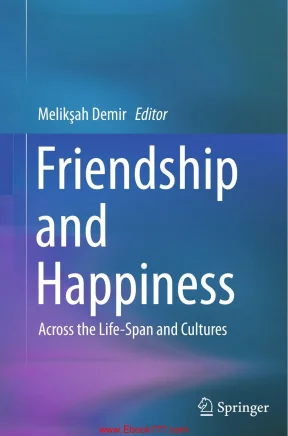
Dưới đây là bản phân tích học thuật và bài viết content SEO hoàn chỉnh, chuyên sâu cho tài liệu "Friendship and Happiness Across the Life-Span and Cultures" (Tình bạn và hạnh phúc qua các giai đoạn đời sống và các nền văn hóa).
BƯỚC 1: PHÂN TÍCH TÀI LIỆU
1. Các vấn đề và câu hỏi chính tài liệu giải quyết
- Cơ chế tác động: Tình bạn tác động trực tiếp và gián tiếp như thế nào đến mức độ hạnh phúc chủ quan (subjective well-being) và sự thỏa mãn cuộc sống của con người?
- Biến thiên theo vòng đời: Mối liên hệ giữa tình bạn và hạnh phúc thay đổi như thế nào qua từng giai đoạn phát triển (life-span development), từ thời thơ ấu, tuổi vị thành niên, thanh niên, trung niên đến tuổi già?
- Bối cảnh văn hóa và xã hội: Các yếu tố văn hóa (phương Tây, châu Á, Mỹ Latinh, cộng đồng Navajo) và cấu trúc xã hội định hình chuẩn mực và giá trị của tình bạn đối với hạnh phúc ra sao?
- Bản chất lý thuyết đa chiều: Những góc nhìn từ triết học, tâm lý học tiến hóa và xã hội học giải thích như thế nào về sự hình thành, chi phí, lợi ích và giá trị bản thể của tình bạn?
- Hình thức quan hệ hiện đại: Tình bạn khác giới (cross-sex friendship), tình bạn nơi công sở và tương tác qua mạng xã hội (social media) ảnh hưởng thế nào đến sức khỏe tinh thần trong thời đại số?
2. Thuật ngữ chuyên ngành quan trọng (17 thuật ngữ)
- Subjective well-being (SWB): Hạnh phúc chủ quan / Sự thỏa mãn cuộc sống cá nhân
- Eudaimonic well-being: Hạnh phúc bản thể / Hạnh phúc hoàn thiện tiềm năng con người
- Hedonic well-being: Hạnh phúc thụ hưởng / Hạnh phúc khoái lạc
- Reciprocal altruism: Lòng vị tha tương hỗ
- Alliance model of friendship: Mô hình liên minh trong tình bạn
- Positive externalities: Ngoại tác tích cực (lợi ích phụ vô tình mang lại)
- Friendship quality: Chất lượng tình bạn (độ gắn kết, thấu hiểu, hỗ trợ)
- Friendship quantity: Số lượng bạn bè
- Life-span development: Sự phát triển xuyên suốt vòng đời
- Cross-sex friendship: Tình bạn khác giới
- Emotional reflexivity: Phản xạ cảm xúc / Khả năng tự phản tư cảm xúc
- Inclusion of other in the self: Sự dung hợp người khác vào bản ngã
- Capitalization attempts: Nỗ lực sẻ chia niềm vui và phản hồi tích cực
- Organizational time-outs: Khoảng lặng tổ chức / Thời gian xả vai trò nơi công sở
- Attachment theory: Thuyết gắn bó
- Basic psychological needs: Các nhu cầu tâm lý cơ bản
- Bidirectional dynamic process: Tiến trình động lực hai chiều
3. Đóng góp và điểm mới của tài liệu
- Tách biệt độc lập đối tượng nghiên cứu: Tách rời tình bạn khỏi các mối quan hệ liên cá nhân nói chung (như quan hệ gia đình hay tình yêu đôi lứa) để đánh giá chính xác đóng góp của tình bạn vào hạnh phúc.
- Khung tiếp cận xuyên suốt vòng đời hoàn chỉnh: Cung cấp cái nhìn toàn cảnh từ thời thơ ấu (bao gồm cả bạn tưởng tượng), thanh thiếu niên, người trưởng thành cho đến người cao tuổi (third age).
- Quy mô dữ liệu liên văn hóa đột phá: Mở rộng nghiên cứu vượt khỏi phạm vi các nước phương Tây, tích hợp khảo sát thực nghiệm tại 16 quốc gia (Thổ Nhĩ Kỳ, New Zealand, Pháp, Lebanon, Algeria, Slovakia, các nước Mỹ Latinh và cộng đồng thổ dân Navajo).
- Giao thoa liên ngành sâu sắc: Tổng hòa thành công 4 trụ cột học thuật: Triết học đạo đức, Xã hội học hiện đại, Tâm lý học tiến hóa và Tâm lý học phát triển.
BƯỚC 2: BÀI VIẾT CONTENT SEO HOÀN CHỈNH
Tình Bạn Và Hạnh Phúc Qua Các Giai Đoạn Đời Sống Và Các Nền Văn Hóa: Nghiên Cứu Đa Ngành Toàn Diện
Tổng quan nghiên cứu
Trong kỷ nguyên số hóa với mức độ kết nối trực tuyến cao kỷ lục, nghịch lý là con người lại ngày càng đối mặt với sự cô đơn và khủng hoảng sức khỏe tinh thần. Thực trạng này đặt ra câu hỏi cốt lõi: Điều gì thực sự kiến tạo nên một cuộc đời hạnh phúc và đáng sống? Dù trực giác xã hội và tâm lý học đại chúng đều thừa nhận mối liên hệ mật thiết giữa tình bạn và hạnh phúc, các nghiên cứu học thuật trước đây thường gộp chung tình bạn vào nhóm quan hệ gia đình hoặc lãng mạn. Đồng thời, phần lớn dữ liệu trước đây chỉ tập trung vào nhóm sinh viên đại học tại các quốc gia phương Tây phát triển.
Công trình chuyên khảo học thuật tiêu biểu "Friendship and Happiness Across the Life-Span and Cultures" do Giáo sư Melikşah Demir (Đại học Northern Arizona) chủ biên, xuất bản bởi Springer, đã giải quyết triệt để khoảng trống nghiên cứu này. Cuốn sách thiết lập một hệ thống lý thuyết và thực nghiệm vững chắc, khẳng định tình bạn là một nhân tố độc lập, bền vững dự đoán hạnh phúc con người. Bằng phương pháp tiếp cận đa chiều từ triết học, xã hội học, tâm lý học tiến hóa đến các phân tích định lượng xuyên suốt vòng đời tại 16 quốc gia, công trình mang đến bức tranh toàn cảnh về giá trị của tình bạn trong đời sống nhân loại.
+-------------------------------------------------------------------------+
|     FRIENDSHIP AND HAPPINESS ACROSS THE LIFE-SPAN AND CULTURES          |
+-------------------------------------------------------------------------+
       |                                |                       |
       v                                v                       v
 [Phần 1: Lý thuyết]          [Phần 2: Vòng đời]      [Phần 3: Văn hóa]
 - Triết học (Eudaimonia)     - Trẻ em & Vị thành niên - Phương Tây vs Châu Á
 - Tâm lý học tiến hóa        - Thanh niên & Trung niên - Mỹ Latinh & Navajo
 - Xã hội học & Liên minh     - Tuổi già & Mạng xã hội - 16 nghiên cứu thực nghiệm
Nội dung chi tiết
Cơ sở lý thuyết đa ngành về mối quan hệ giữa tình bạn và hạnh phúc
Mối quan hệ giữa tình bạn và hạnh phúc được xây dựng trên nền tảng vững chắc của nhiều trường phái lý thuyết kinh điển và hiện đại. Dưới góc độ triết học, Sandra Lynch phân tích sâu sắc sự phân hóa giữa hai khái niệm: hạnh phúc thụ hưởng (hedonic well-being) gắn liền với cảm xúc vui vẻ nhất thời, và hạnh phúc bản thể (eudaimonic well-being) gắn liền với sự thăng hoa nhân cách và cuộc sống có ý nghĩa. Kế thừa quan điểm của Aristotle về tình bạn đức hạnh (friendship of the good), tác giả chỉ ra rằng người bạn thân thiết đóng vai trò như một "bản ngã thứ hai" (second self). Trong mối quan hệ này, đối phương được yêu quý vì chính phẩm chất của họ chứ không phải vì lợi ích vụ lợi, từ đó tạo nền tảng cho sự phát triển trọn vẹn của con người.
       +-------------------------------------------------------------+
       |             MÔ HÌNH LÝ THUYẾT TIẾN HÓA & XÃ HỘI HỌC          |
       +-------------------------------------------------------------+
                                      |
         +----------------------------+----------------------------+
         |                                                         |
         v                                                         v
[Tâm lý học Tiến hóa]                                     [Xã hội học Hiện đại]
- Reciprocal Altruism (Trao đổi tương hỗ)                 - Social Capital (Vốn xã hội & tài nguyên)
- Alliance Model (Xếp hạng liên minh & lòng trung thành)   - Emotional Reflexivity (Phản xạ cảm xúc)
- Positive Externalities (Lợi ích ngoại tác tích cực)     - Organizational Time-outs (Nơi làm việc)
Ở góc độ tâm lý học tiến hóa, nhóm tác giả David M. Lewis và David M. Buss lý giải vì sao não bộ loài người tiến hóa để cảm nhận hạnh phúc khi có bạn bè. Dựa trên thuyết lòng vị tha tương hỗ (reciprocal altruism), mô hình xây dựng liên minh (alliance model) và khái niệm ngoại tác tích cực (positive externalities), nghiên cứu chỉ ra rằng bạn bè từng là yếu tố sinh tử giúp tổ tiên loài người săn bắt, tự vệ và phân chia tài nguyên. Trải nghiệm cảm xúc tích cực chính là cơ chế tiến hóa thôi thúc con người chủ động duy trì các mạng lưới liên minh trung thành.
Bổ sung cho bức tranh này, các nhà xã hội học như Silvana Greco, Mary Holmes và Jordan McKenzie xem tình bạn là một dạng vốn xã hội (social capital) quan trọng. Trong xã hội hiện đại biến động, tình bạn cung cấp nơi chốn an toàn để cá nhân thực hành phản xạ cảm xúc (emotional reflexivity), hỗ trợ vượt qua các biến cố lớn như mất việc, bệnh tật hoặc ly hôn.
Phương pháp nghiên cứu và cách tiếp cận đa văn hóa xuyên suốt vòng đời
Điểm xuất sắc của công trình nằm ở phương pháp tiếp cận phát triển vòng đời (life-span developmental approach) kết hợp với thiết kế nghiên cứu liên văn hóa sâu rộng. Các tác giả không chỉ đánh giá các chỉ số định lượng truyền thống mà còn phân tích công cụ đo lường chuyên biệt cho từng lứa tuổi:
- Trẻ em và thanh thiếu niên: Đánh giá chỉ số hạnh phúc thông qua tương tác nhóm bạn bè đồng trang lứa (peer relations), chất lượng bạn thân và hiện tượng bạn tưởng tượng (imaginary friendships).
- Thanh niên và người trưởng thành: Khảo sát sự chuyển dịch tương quan giữa tình bạn, mối quan hệ lãng mạn và tình trạng hôn nhân.
- Người trung niên và cao tuổi (third age): Đo lường tác động của mạng lưới bạn bè đối với sức khỏe thể chất, khả năng phòng ngừa suy thoái nhận thức và thúc đẩy quá trình lão hóa thành công (successful aging).
+-----------------------------------------------------------------------------+
|              TIẾN TRÌNH TÌNH BẠN - HẠNH PHÚC THEO VÒNG ĐỜI                  |
+-----------------------------------------------------------------------------+
| Giai đoạn        | Đặc điểm & Trọng tâm tác động                             |
+------------------+----------------------------------------------------------+
| Trẻ em & Vị thành| Xây dựng lòng tin, sự gắn bó, giảm lo âu xã hội          |
| Thanh niên       | Thỏa mãn nhu cầu tâm lý cơ bản, chia sẻ thành tựu        |
| Trung niên       | Cân bằng áp lực sự nghiệp, hỗ trợ vượt qua biến cố đời   |
| Tuổi già         | Duy trì gắn kết xã hội, thúc đẩy lão hóa thành công      |
+------------------+----------------------------------------------------------+
Về mặt địa hạt văn hóa, cuốn sách phá vỡ định kiến xem mẫu nghiên cứu phương Tây là đại diện toàn cầu:
- So sánh sâu sắc giữa văn hóa phương Tây (chủ nghĩa cá nhân) và văn hóa Châu Á (chủ nghĩa tập thể), chứng minh mối tương quan khác biệt khi có sự xuất hiện của yếu tố gia đình.
- Thu thập dữ liệu thực nghiệm độc đáo từ cộng đồng người bản địa Navajo tại Bắc Mỹ và các nước Mỹ Latinh.
- Thực hiện nghiên cứu theo chiều dọc (longitudinal study) tại New Zealand và các khảo sát thực chứng tại Thổ Nhĩ Kỳ, Pháp, Lebanon, Algeria và Slovakia.
Bên cạnh đó, các biến số hiện đại như tình bạn khác giới (cross-sex friendship) và hành vi tương tác trên mạng xã hội (customized sociality trên Facebook) cũng được đưa vào mô hình nghiên cứu nhằm phản ánh đúng thực tế đời sống đương đại.
Kết quả nghiên cứu then chốt và các ứng dụng thực tiễn
Các công trình thực nghiệm trong cuốn sách đã mang lại nhiều phát hiện mang tính bước ngoặt cho ngành khoa học hành vi:
+--------------------------------------------------------------------------+
|                    3 PHÁT HIỆN THEN CHỐT TỪ NGHIÊN CỨU                   |
+--------------------------------------------------------------------------+
| 1. CHẤT LƯỢNG > SỐ LƯỢNG   | Friendship quality dự đoán hạnh phúc vượt trội|
|                            | so với số lượng bạn bè đơn thuần.            |
+----------------------------+---------------------------------------------+
| 2. CƠ CHẾ NỘI TẠI          | Thỏa mãn nhu cầu tự chủ, năng lực, gắn kết   |
|                            | và phản hồi tích cực (capitalization).       |
+----------------------------+---------------------------------------------+
| 3. TÁC ĐỘNG HAI CHIỀU      | Bạn bè tốt giúp tăng hạnh phúc tương lai,     |
|                            | tạo vòng lặp củng cố sức khỏe tinh thần.    |
+--------------------------------------------------------------------------+
- Chất lượng vượt trội số lượng: Mức độ thân mật, sự tin cậy và mức độ thấu hiểu lẫn nhau (friendship quality) dự đoán mức độ hạnh phúc chủ quan vượt trội so với số lượng bạn bè (friendship quantity).
- Cơ chế trung gian tâm lý: Mối liên hệ giữa tình bạn và hạnh phúc được dẫn truyền chủ yếu qua việc thỏa mãn các nhu cầu tâm lý cơ bản (basic psychological needs) và nỗ lực cùng chia sẻ niềm vui (capitalization attempts).
- Quy luật hai chiều bền vững: Nghiên cứu dài hạn tại New Zealand chứng minh các mối quan hệ bạn bè tích cực là tiền đề dự báo sự gia tăng chỉ số hạnh phúc sau 1 năm, tạo nên một chu trình củng cố tinh thần lành mạnh.
- Tình bạn nơi công sở và hiệu suất lao động: Khái niệm "khoảng lặng tổ chức" (organizational time-outs) cho thấy những khoảnh khắc giao lưu thân tình giữa đồng nghiệp giúp giảm áp lực công việc, tái tạo năng lượng và nâng cao sự gắn bó với tổ chức.
- Can thiệp chăm sóc người cao tuổi: Việc xây dựng và duy trì mạng lưới bạn bè ở giai đoạn tuổi xế chiều mang lại tác động bảo vệ tâm lý mạnh mẽ, thậm chí tương đương hoặc vượt trội so với sự hỗ trợ từ gia đình.
Ai nên đọc tài liệu này?
Tài liệu là nguồn tham khảo mang giá trị học thuật cao, đặc biệt phù hợp với các nhóm đối tượng sau:
- Nhà nghiên cứu và giảng viên: Thuộc các chuyên ngành Tâm lý học, Xã hội học, Nhân học và Công tác xã hội. Cuốn sách cung cấp hệ thống tổng quan y văn toàn diện, khung lý thuyết chặt chẽ và các mô hình đo lường hiện đại.
- Chuyên gia tham vấn và trị liệu tâm lý: Cung cấp cơ sở khoa học để thiết kế các can thiệp trị liệu nhóm, can thiệp học đường và hỗ trợ thân chủ xây dựng mạng lưới xã hội lành mạnh.
- Nhà quản trị nhân sự và lãnh đạo doanh nghiệp: Cung cấp góc nhìn thực chứng về tác động của văn hóa gắn kết đồng nghiệp đến năng suất lao động và sức khỏe tinh thần nhân viên.
- Độc giả mong muốn thấu hiểu bản thân: Những người muốn trang bị nền tảng khoa học về nghệ thuật xây dựng các mối quan hệ sâu sắc để tối ưu hóa chất lượng cuộc sống.
+-------------------------------------------------------------------------+
|                  LỢI ÍCH DÀNH CHO CÁC NHÓM ĐỘC GIẢ                       |
+-------------------------------------------------------------------------+
| [Nhà nghiên cứu / Giảng viên] -> Khung lý thuyết đa ngành, dữ liệu 16 nước|
| [Chuyên gia trị liệu tâm lý] -> Thiết kế can thiệp xây dựng quan hệ lành mạnh|
| [Nhà quản trị / Nhân sự]      -> Tối ưu hóa trải nghiệm & gắn kết nhân viên|
| [Độc giả cá nhân]             -> Bí quyết nâng cao chất lượng tình bạn thực chất|
+-------------------------------------------------------------------------+
Câu hỏi thường gặp
1. Tình bạn đóng góp vào hạnh phúc chủ quan (subjective well-being) như thế nào?
Tình bạn nâng cao hạnh phúc thông qua việc đáp ứng các nhu cầu tâm lý cốt lõi về sự gắn kết, thấu hiểu và sẻ chia. Về mặt sinh học và tiến hóa, bạn bè tạo ra mạng lưới an toàn xã hội giúp giảm hormone căng thẳng, mang lại cảm xúc tích cực và nâng cao cảm nhận về giá trị bản thân.
2. Làm thế nào để nâng cao chất lượng tình bạn nhằm gia tăng hạnh phúc?
Người trong cuộc cần chủ động đầu tư thời gian chất lượng, thực hành lắng nghe chân thành và hỗ trợ cảm xúc lẫn nhau. Đặc biệt, việc tích cực hưởng ứng khi bạn bè chia sẻ tin vui (capitalization attempts) và duy trì sự bình đẳng, tôn trọng sự khác biệt là chìa khóa then chốt để làm sâu sắc mối quan hệ.
3. Tại sao chất lượng tình bạn quan trọng hơn số lượng bạn bè?
Nghiên cứu chỉ ra rằng mạng lưới quen biết rộng nhưng thiếu chiều sâu không mang lại sự thỏa mãn cảm xúc. Ngược lại, chỉ cần một vài mối quan hệ thân thiết có độ tin cậy cao, thấu hiểu sâu sắc và không có xung đột tiêu cực đã đủ để tạo nên nền tảng vững chắc cho sức khỏe tinh thần.
4. Khi nào tình bạn có vai trò quan trọng nhất trong suốt vòng đời?
Tình bạn đóng vai trò thiết yếu ở mọi lứa tuổi nhưng thể hiện rõ rệt nhất trong hai bước ngoặt: giai đoạn vị thành niên - thanh niên (khi cá nhân hình thành bản sắc và tách dần khỏi gia đình) và giai đoạn tuổi già (khi các mối quan hệ công việc thu hẹp và tình bạn giúp duy trì sự kết nối xã hội).
5. Tình bạn trên mạng xã hội có thay thế được tình bạn ngoài đời thực không?
Mạng xã hội tạo điều kiện duy trì kết nối linh hoạt nhưng mang tính chất xã hội hóa tùy biến (customized sociality). Nó chỉ thực sự đóng góp vào hạnh phúc khi đóng vai trò bổ trợ cho các tương tác trực tiếp, thay vì thay thế hoàn toàn sự gắn kết cảm xúc sâu sắc ngoài đời thực.
Kết luận
Cuốn sách "Friendship and Happiness Across the Life-Span and Cultures" của Melikşah Demir là một cột mốc học thuật quan trọng, định hình lại cách chúng ta nhìn nhận về giá trị của các mối liên kết xã hội phi huyết thống.
+--------------------------------------------------------------------------+
|                          KEY TAKEAWAYS CHÍNH                             |
+--------------------------------------------------------------------------+
| * Tình bạn là yếu tố độc lập, cốt lõi dự đoán hạnh phúc con người.       |
| * Chất lượng quan hệ và sự chân thực quyết định mức độ thỏa mãn.         |
| * Tác động của tình bạn mang tính toàn cầu nhưng biến chuyển linh hoạt.   |
| * Đầu tư vào tình bạn là khoản đầu tư trực tiếp cho sức khỏe tinh thần. |
+--------------------------------------------------------------------------+
- Điểm nhấn cốt lõi: Tình bạn không phải là một mối quan hệ tùy chọn mà là nhu cầu tâm lý và tiến hóa nền tảng của con người. Chất lượng kết nối luôn có giá trị vượt trội so với số lượng danh bạ.
- Hướng phát triển nghiên cứu: Giới học thuật tương lai cần tiếp tục đào sâu tác động dài hạn của trí tuệ nhân tạo, các hình thức kết nối thực tế ảo và biến động xã hội hiện đại lên cấu trúc tình bạn.
- Hành động thiết thực: Hãy dành thời gian vun đắp cho những người bạn thân thiết xung quanh bạn ngay hôm nay, bởi nuôi dưỡng tình bạn chính là phương pháp bền vững nhất để kiến tạo một cuộc sống hạnh phúc và viên mãn.