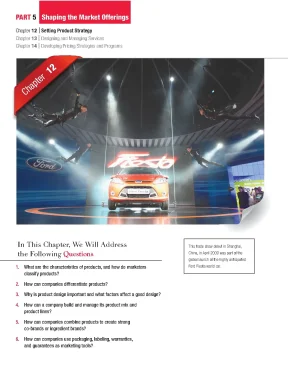
Tổng quan về giáo trình
Giáo trình Marketing Management (ấn bản lần thứ 14) là tài liệu học thuật tiêu chuẩn được sử dụng trong chương trình đào tạo bậc đại học và sau đại học (MBA, Thạc sĩ Quản trị Kinh doanh) thuộc khối ngành Marketing, Quản trị Kinh doanh và Kinh tế thương mại. Trong cấu trúc chương trình đào tạo, tài liệu đóng vai trò là học phần chuyên ngành cốt lõi, cung cấp các nguyên lý quản trị từ cấp độ chiến lược đến thực thi các thành tố trong phối thức marketing (marketing mix).
Mục tiêu học tập của tài liệu tập trung vào việc trang bị cho người học năng lực:
- Phân tích và cấu trúc hóa các cấp độ giá trị của sản phẩm (Customer-Value Hierarchy).
- Phân loại hàng hóa tiêu dùng và hàng hóa công nghiệp phục vụ việc hoạch định chiến lược kinh doanh.
- Thiết lập các phương thức khác biệt hóa sản phẩm và dịch vụ cạnh tranh.
- Quản trị danh mục và chiều sâu dòng sản phẩm (Product Mix and Product Lines).
- Đo lường, kiểm soát chất lượng dịch vụ thông qua các mô hình phân tích khoảng cách và ma trận hiệu suất.
Nội dung trích xuất thuộc Part 5: Shaping the Market Offerings, cụ thể gồm Chương 12 (Setting Product Strategy), Chương 13 (Designing and Managing Services) và định hướng cho Chương 14 (Developing Pricing Strategies and Programs). Cách tiếp cận của giáo trình đi từ việc xác lập bản chất cốt lõi của sản phẩm, mở rộng sang các dịch vụ bổ trợ và kết hợp chiến lược giá nhằm tạo nên một chỉnh thể chào hàng hoàn chỉnh trên thị trường (Market Offering). Điểm đặc trưng trong cấu trúc giáo trình là sự kết hợp chặt chẽ giữa hệ thống lý thuyết hàn lâm kinh điển với các nghiên cứu tình huống thực nghiệm từ các tổ chức kinh doanh quốc tế.
Nội dung kiến thức cốt lõi
Các chương/chủ đề chính
Chương 12: Thiết lập chiến lược sản phẩm (Setting Product Strategy)
Chương này tập trung giải quyết các câu hỏi nền tảng về bản chất của sản phẩm và cách thức doanh nghiệp xây dựng lợi thế cạnh tranh thông qua sản phẩm:
- Hệ thống thứ bậc giá trị khách hàng (Customer-Value Hierarchy): Gồm 5 cấp độ:
- Lợi ích cốt lõi (Core benefit): Nhu cầu nền tảng mà khách hàng thực sự mua (ví dụ: chỗ ngủ khi thuê phòng khách sạn, lỗ khoan khi mua máy khoan).
- Sản phẩm cơ bản (Basic product): Cụ thể hóa lợi ích cốt lõi thành các yếu tố vật lý tối thiểu (phòng khách sạn gồm giường, nhà tắm, khăn tắm, bàn làm việc).
- Sản phẩm kỳ vọng (Expected product): Tập hợp các thuộc tính và điều kiện thông thường người mua mong đợi (khách sạn sạch sẽ, có đèn hoạt động tốt, yên tĩnh).
- Sản phẩm gia tăng (Augmented product): Các yếu tố vượt trên kỳ vọng của khách hàng nhằm tạo sự khác biệt thương hiệu (kết nối Internet tốc độ cao, trung tâm thể dục).
- Sản phẩm tiềm năng (Potential product): Tập hợp tất cả các chuyển đổi và gia tăng có thể thực hiện trong tương lai để thỏa mãn khách hàng.
- Hệ thống phân loại sản phẩm:
- Theo độ bền và tính hữu hình: Hàng hóa không bền (nondurable goods), hàng hóa bền (durable goods), và dịch vụ (services).
- Hàng tiêu dùng (Consumer goods): Hàng tiện dụng (convenience goods - gồm hàng thiết yếu/staples, hàng mua ngẫu hứng/impulse goods, hàng khẩn cấp/emergency goods); Hàng mua sắm (shopping goods - gồm đồng nhất/homogeneous và không đồng nhất/heterogeneous); Hàng đặc biệt (specialty goods); Hàng thụ động (unsought goods).
- Hàng công nghiệp (Industrial goods): Nguyên vật liệu và phụ tùng (materials and parts); Tài sản cố định (capital items - gồm công trình xây dựng/installations và trang thiết bị/equipment); Vật tư phụ và dịch vụ kinh doanh (supplies and business services/MRO).
- Các chiều kích khác biệt hóa sản phẩm và dịch vụ: Khác biệt hóa hình thức (form), tính năng (features), tùy biến theo nhu cầu (customization/mass customization), chất lượng hoạt động (performance quality), chất lượng phù hợp (conformance quality), độ bền (durability), độ tin cậy (reliability), khả năng sửa chữa (repairability), phong cách (style), và thiết kế (design thinking).
- Quản trị thương hiệu cao cấp (Luxury Brand Marketing): Hướng dẫn quản trị hình ảnh cao cấp, cấu trúc thương hiệu dọc (như trường hợp thương hiệu Armani từ Giorgio Armani đến Armani Exchange) và mở rộng thương hiệu ngang.
- Cấu trúc danh mục sản phẩm (Product Mix): Đo lường qua 4 chiều kích: Chiều rộng (width), Chiều dài (length), Chiều sâu (depth), và Tính nhất quán (consistency) dựa trên bảng phân tích dòng sản phẩm của tập đoàn Procter & Gamble.
- Phân tích dòng sản phẩm (Product Line Analysis): Đánh giá mức độ đóng góp doanh thu - lợi nhuận của từng mã sản phẩm và lập bản đồ định vị sản phẩm (Product Map) so với đối thủ cạnh tranh trên thị trường giấy công nghiệp.
Chương 13: Thiết kế và quản trị dịch vụ (Designing and Managing Services)
Chương này đi sâu vào các quy trình quản trị mảng dịch vụ độc lập cũng như dịch vụ gia tăng đi kèm sản phẩm vật chất:
- Các thành tố khác biệt hóa dịch vụ: Đặt hàng thuận tiện (ordering ease), giao hàng (delivery - như hệ thống định vị GPS của Cemex), lắp đặt (installation), đào tạo khách hàng (customer training), tư vấn khách hàng (customer consulting), bảo trì và sửa chữa (maintenance and repair), quản trị trả hàng (returns logistics - gồm controllable returns và uncontrollable returns).
- Thực tiễn quản trị tại các doanh nghiệp dịch vụ hàng đầu: Thiết lập khái niệm chiến lược (strategic concept), cam kết chất lượng từ lãnh đạo cấp cao, tiêu chuẩn dịch vụ khắt khe, phân tầng lợi nhuận khách hàng (profit tiers) và hệ thống giám sát tiếng nói khách hàng (Voice of Customer - VOC).
- Mô hình đánh giá mức độ quan trọng - hiệu suất (Importance-Performance Analysis - IPA): Phân loại 14 thuộc tính dịch vụ vào 4 góc phần tư (A: Tập trung cải thiện; B: Duy trì thực hiện tốt; C: Ưu tiên thấp; D: Khả năng lãng phí nguồn lực).
- Nguyên nhân chuyển đổi nhà cung cấp dịch vụ: Phân loại 8 nhóm hành vi chuyển dịch của khách hàng theo nghiên cứu của Susan M. Keaveney (1995), bao gồm: Giá (pricing), Sự bất tiện (inconvenience), Lỗi dịch vụ cốt lõi (core service failure), Sự cố tiếp xúc dịch vụ (service encounter failures), Phản hồi kém trước sự cố (response to service failure), Cạnh tranh (competition), Vấn đề đạo đức (ethical problems), và Chuyển dịch bất khả kháng (involuntary switching).
- Mô hình chất lượng dịch vụ (Service-Quality Gap Model): Cấu trúc 5 khoảng cách (GAP) dẫn đến sự thất bại trong phân phối dịch vụ theo nghiên cứu của Parasuraman, Zeithaml và Berry (1985).
Kiến thức nền tảng được xây dựng
- Khung lý thuyết phân cấp giá trị: Xây dựng nhận thức quản trị xem sản phẩm không chỉ là vật thể vật lý mà là một gói giá trị phân tầng từ nhu cầu cơ bản đến giá trị gia tăng cạnh tranh.
- Khung lý thuyết về chất lượng dịch vụ (SERVQUAL / GAP Model): Xác lập 5 điểm đứt gãy trong quy trình cung ứng:
- GAP 1: Khoảng cách giữa kỳ vọng của khách hàng và nhận thức của ban quản lý.
- GAP 2: Khoảng cách giữa nhận thức của ban quản lý và quy chuẩn kỹ thuật chất lượng dịch vụ.
- GAP 3: Khoảng cách giữa quy chuẩn chất lượng dịch vụ và thực tế cung ứng dịch vụ của nhân viên.
- GAP 4: Khoảng cách giữa thực tế cung ứng dịch vụ và các thông điệp truyền thông đối ngoại.
- GAP 5: Khoảng cách giữa dịch vụ kỳ vọng và dịch vụ cảm nhận thực tế của khách hàng.
- Mô hình cấu trúc danh mục kinh doanh: Cung cấp phương pháp định lượng để đo lường độ rộng, dài, sâu và tính nhất quán của dòng sản phẩm, hỗ trợ quyết định kéo giãn dòng sản phẩm (line stretching: kéo giãn xuống dưới, lên trên hoặc hai chiều) và lấp đầy dòng sản phẩm (line filling).
Kỹ năng phát triển
- Kỹ năng phân tích danh mục: Khả năng lập biểu đồ phân bổ doanh thu - lợi nhuận (Sales and Profit Contributions) và thiết lập bản đồ định vị sản phẩm (Product Mapping) dựa trên các thuộc tính kỹ thuật.
- Kỹ năng kiểm toán chất lượng dịch vụ: Vận dụng công cụ ma trận Importance-Performance Analysis (IPA) để xác định chính xác các điểm yếu cần ưu tiên cải thiện trong hoạt động dịch vụ khách hàng.
- Kỹ năng thiết kế chiến lược khác biệt hóa: Nhận diện và triển khai các tiêu chí khác biệt hóa từ thuộc tính vật lý, quy trình thiết kế công nghiệp (Design Thinking) cho đến các dịch vụ hậu cần và bảo hành, bảo trì.
Phương pháp giảng dạy và học tập
Giáo trình áp dụng phương pháp sư phạm cấu trúc kết hợp giữa khung phân tích khái niệm và thực nghiệm tình huống kinh doanh:
- Phương pháp tiếp cận theo vấn đề (Problem-Based Learning): Mỗi chương bắt đầu bằng hệ thống các câu hỏi định hướng chiến lược (ví dụ: What are the characteristics of products?, How can a company build and manage its product mix?).
- Khai thác tình huống thực tế (Case Studies): Lý thuyết được minh họa trực tiếp thông qua các trường hợp cụ thể:
- Chiến lược phát triển dòng xe toàn cầu Ford Fiesta dưới sự điều hành của CEO Alan Mulally nhằm vượt qua khủng hoảng chất lượng.
- Quy trình tái cấu trúc và kiểm soát lỗi linh kiện điện tử tại Mercedes-Benz giai đoạn 2003–2006.
- Ứng dụng công nghệ GPS của Cemex để cam kết thời gian giao hàng bê tông.
- Mô hình dịch vụ khách hàng tập trung vào quân nhân của hãng bảo hiểm và ngân hàng USAA.
- Chiến lược phân tầng thương hiệu thời trang của Armani.
- Phân tích định lượng và biểu đồ (Analytical Frameworks): Sử dụng các bảng số liệu chi tiết (Bảng 12.2 về danh mục sản phẩm P&G; Bảng 13.2 và Hình 13.2 về khảo sát 14 thuộc tính dịch vụ tại đại lý ô tô) giúp người học thực hành đánh giá dữ liệu thực tế.
- Hướng dẫn tự học và nghiên cứu: Người học được định hướng nghiên cứu các bài báo khoa học gốc được trích dẫn (như các công trình của Susan M. Keaveney trên Journal of Marketing, nghiên cứu của Kevin Lane Keller trên Journal of Brand Management, và các ấn phẩm của Viện Khoa học Marketing - MSI).
Điểm nổi bật và cập nhật
Ấn bản lần thứ 14 tích hợp các nội dung cập nhật phản ánh sự biến chuyển của môi trường kinh doanh và công nghệ hiện đại:
- Tích hợp mô hình Tư duy thiết kế (Design Thinking): Cụ thể hóa quy trình 3 giai đoạn (Observation - Quan sát, Ideation - Hình thành ý tưởng, Implementation - Thực thi) trong phát triển sản phẩm công nghiệp (như dòng thiết bị nhà bếp Architect Series II của Whirlpool).
- Ứng dụng công nghệ thông tin trong vận hành dịch vụ: Cập nhật các trường hợp doanh nghiệp sử dụng điện toán đám mây (Häagen-Dazs sử dụng nền tảng Salesforce.com để quản trị các cửa hàng nhượng quyền), máy quét mã vạch cầm tay tại các hãng hàng không (US Airways), và dịch vụ hỗ trợ trực tuyến (e-support của HP).
- Phân tích quản trị Logistics ngược và hoàn hàng: Đưa vào phân loại chi tiết giữa hoàn hàng có thể kiểm soát (controllable returns) và hoàn hàng không thể kiểm soát (uncontrollable returns), cùng giải pháp tem hoàn hàng mã vạch SmartLabels (Road Runner Sports).
- Mở rộng phạm vi nghiên cứu các mô hình dịch vụ mới: Đưa vào giáo trình các mô hình kinh doanh mang tính đổi mới như phòng khám y tế bán lẻ (Retail Health Clinics: MinuteClinic, RediClinic), mô hình dịch vụ bay đồng sở hữu (NetJets, Marquis Jets), và mô hình kinh doanh đại lý du lịch trực tuyến thu phí theo lượt nhấp (Kayak).
Đối tượng sử dụng giáo trình
- Sinh viên chuyên ngành Marketing, Quản trị Kinh doanh, Thương mại: Sinh viên năm thứ 3 và năm thứ 4 sử dụng làm giáo trình học tập chính cho học phần Quản trị Marketing và Quản trị Sản phẩm.
- Học viên cao học (MBA / Master of Science in Marketing): Sử dụng tài liệu để nghiên cứu sâu về hoạch định chiến lược tiếp thị, phân tích danh mục đầu tư sản phẩm và quản trị chất lượng dịch vụ.
- Yêu cầu kiến thức tiên quyết: Người học cần có kiến thức nền tảng về Nguyên lý Marketing (Principles of Marketing), Kinh tế vi mô (Microeconomics) và Thống kê kinh doanh (Business Statistics) để tiếp thu các mô hình phân tích định lượng.
- Giảng viên và nhà nghiên cứu: Sử dụng làm tài liệu tham chuẩn để xây dựng đề cương bài giảng, thiết kế bài tập tình huống thực hành và phát triển các hướng nghiên cứu về hành vi chuyển đổi dịch vụ hoặc kiến trúc thương hiệu.
Câu hỏi thường gặp
1. Giáo trình này phù hợp với ai?
Giáo trình được thiết kế chuẩn mực cho sinh viên đại học chuyên ngành kinh tế, học viên chương trình MBA, giảng viên giảng dạy bộ môn Quản trị Marketing, cũng như các chuyên viên hoạch định chiến lược sản phẩm và dịch vụ tại doanh nghiệp.
2. Cần kiến thức nền nào để học giáo trình này?
Người học cần nắm vững kiến thức căn bản về Marketing đại cương (các khái niệm 4P cơ bản, phân đoạn thị trường, định vị thị trường) cùng các khái niệm vi mô về chi phí, doanh thu và biên lợi nhuận.
3. Điểm khác biệt của giáo trình so với các tài liệu khác là gì?
Tài liệu cung cấp hệ thống phân loại học thuật chặt chẽ (từ hệ thống 5 cấp độ sản phẩm, bảng phân loại chi tiết hàng tiêu dùng/công nghiệp đến mô hình 5 khoảng cách GAP) đi kèm hệ thống dữ liệu thực nghiệm phong phú từ các tập đoàn toàn cầu, tránh lối tiếp cận lý thuyết thuần túy.
4. Làm sao để tự học giáo trình hiệu quả?
Người học nên bám sát hệ thống câu hỏi định hướng ở đầu mỗi chương, tái hiện lại các mô hình phân tích (như ma trận IPA, sơ đồ 5 GAP, bản đồ phân tích dòng sản phẩm) và tự giải quyết các bài tập phân tích tình huống thực tế được nêu trong nội dung.
5. Có tài liệu bổ trợ nào kèm theo nội dung này?
Nội dung giáo trình được liên kết trực tiếp với các bài báo nghiên cứu chuyên ngành được xuất bản trên Journal of Marketing, Marketing Science, các báo cáo của Viện Khoa học Marketing (MSI Reports), cùng các tài liệu mở rộng về Quản trị Dịch vụ của nhóm tác giả Parasuraman, Zeithaml và Berry.
Kết luận
Part 5 của giáo trình Marketing Management 14e (tập trung vào Chương 12 và 13) cung cấp khung phân tích hoàn chỉnh về cấu trúc và phương pháp thiết lập chiến lược sản phẩm - dịch vụ trong doanh nghiệp. Tài liệu xây dựng tiến trình học tập chặt chẽ: từ việc giải phẫu các cấp độ giá trị của sản phẩm vật chất, mở rộng sang các kỹ thuật khác biệt hóa và quản trị danh mục, cho đến các phương pháp kiểm toán và tối ưu hóa quy trình cung ứng dịch vụ. Các khung lý thuyết nền tảng (như Customer-Value Hierarchy, Service GAP Model, Importance-Performance Analysis) kết hợp cùng hệ thống tài liệu tham khảo hàn lâm tạo nền tảng chuyên môn vững chắc cho việc nghiên cứu và thực hành quản trị marketing hiện đại.