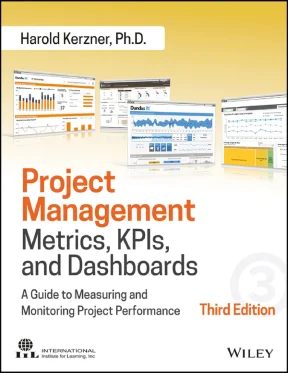
Quản lý dự án: Chỉ số đo lường, KPI và bảng điều khiển hiệu suất - Harold Kerzner

Trường đại học

International Institute for Learning

Chuyên ngành

Quản lý dự án

Người đăng

Ẩn danh

Thể loại

Sách hướng dẫn

2017

541
0
0

Phí lưu trữ

135 Point

Tóm tắt

I. Tổng quan về metrics KPIs và dashboards trong quản lý dự án

Project management metrics, KPIs và dashboards là ba trụ cột quan trọng trong việc đo lường và giám sát hiệu suất dự án. Metrics là các chỉ số định lượng dùng để đánh giá tiến độ, chất lượng và hiệu quả của dự án. KPIs (Key Performance Indicators) là các chỉ số then chốt gắn liền với mục tiêu chiến lược, giúp nhà quản lý tập trung vào những yếu tố quyết định thành công. Dashboard là công cụ trực quan hóa dữ liệu, tập hợp tất cả metrics và KPIs vào một giao diện duy nhất. Theo Harold Kerzner trong tác phẩm Project Management Metrics, KPIs, and Dashboards, hệ thống đo lường hiệu quả phải phục vụ cả mục tiêu quản lý dự án lẫn mục tiêu kinh doanh tổng thể. Các công ty trưởng thành trong quản lý dự án thường xây dựng phương pháp luận (methodology) với bộ metrics nhất quán. Khi tổ chức phát triển, các chính sách cứng nhắc được thay thế bằng biểu mẫu, hướng dẫn và checklist linh hoạt hơn. Điều này đòi hỏi số lượng metrics tăng lên đáng kể để đáp ứng yêu cầu đa dạng của từng dự án riêng biệt.

1.1. Khái niệm cơ bản về metrics và KPIs trong dự án

Metrics trong quản lý dự án là các phép đo định lượng được sử dụng để theo dõi tiến độ, chi phí, chất lượng và rủi ro. Chúng cung cấp dữ liệu khách quan giúp đánh giá trạng thái thực tế của dự án. KPIs khác biệt ở chỗ chúng gắn liền trực tiếp với các mục tiêu kinh doanh cốt lõi. Một KPI hiệu quả phải đáp ứng tiêu chí SMART: cụ thể, đo lường được, khả thi, phù hợp và có thời hạn. Truyền thống, metrics tập trung vào quyết định dự án như lịch trình và ngân sách. Ngày nay, metrics phải mở rộng sang hỗ trợ quyết định kinh doanh chiến lược. Nhà quản lý dự án hiện đại cần hiểu rằng bộ metrics phục vụ riêng cho dự án có thể không đủ để phục vụ mục tiêu kinh doanh tổng thể của tổ chức.

1.2. Vai trò của dashboard trong trực quan hóa dữ liệu dự án

Dashboard đóng vai trò trung tâm trong việc trình bày metrics và KPIs dưới dạng trực quan, dễ hiểu. Một dashboard hiệu quả giúp nhà quản lý nắm bắt nhanh trạng thái dự án chỉ trong vài giây. Chúng tích hợp nhiều nguồn dữ liệu khác nhau vào một giao diện thống nhất, từ tiến độ thời gian, ngân sách đến chất lượng bàn giao. Dashboard tốt cần có khả năng hiển thị xu hướng theo thời gian, cảnh báo sớm khi chỉ số vượt ngưỡng cho phép. Công ty Dundas Data Visualization là một trong những đơn vị tiên phong phát triển giải pháp dashboard cho quản lý dự án. Việc thiết kế dashboard phải cân bằng giữa tính đơn giản và độ chi tiết, đảm bảo người dùng có đủ thông tin để ra quyết định nhanh chóng mà không bị quá tải dữ liệu.

II. Các vấn đề trong đo lường hiệu suất dự án phức tạp

Dự án phức tạp đặt ra thách thức lớn cho hệ thống đo lường truyền thống. Phần lớn các dự án trong doanh nghiệp ngày nay thuộc loại phi truyền thống hoặc phức tạp, nơi kết quả và kỳ vọng có thể thay đổi liên tục theo tình hình kinh doanh. Quản lý dự án truyền thống dựa trên tư duy tuyến tính với các giai đoạn vòng đời được xác định rõ ràng, phù hợp khi phạm vi dự án ổn định. Tuy nhiên, chỉ một tỷ lệ nhỏ dự án thực sự đáp ứng điều kiện này. Các dự án phức tạp thường được quản lý theo cảm tính, thiếu công cụ và metrics chuẩn hóa. Nhà quản lý dự án ngày nay tự nhận thức rằng họ đang quản lý một phần hoạt động kinh doanh chứ không đơn thuần là quản lý dự án. Do đó, họ cần bộ metrics bổ sung phục vụ ra quyết định kinh doanh có căn cứ. Việc thiếu metrics phù hợp dẫn đến quyết định sai lệch, lãng phí nguồn lực và giảm hiệu quả đầu tư chiến lược của tổ chức.

2.1. Thách thức với dự án phi truyền thống và phức tạp

Dự án phi truyền thống khác biệt căn bản so với dự án truyền thống. Chúng thường gắn liền với kế hoạch chiến lược 5 năm hoặc 10 năm, liên tục thay đổi theo môi trường kinh doanh. Kỹ thuật quản lý dự án truyền thống không phù hợp với loại dự án này vì chúng mang tính kinh doanh thuần túy. Khách hàng ngày càng yêu cầu sản phẩm khối lượng thấp, chất lượng cao với mức độ tùy biến nhất định. Điều này tạo áp lực lớn lên nhà quản lý, buộc họ phải tìm kiếm phương pháp quản lý mới. Phương pháp tiếp cận theo cảm tính (seat-of-the-pants management) từng phổ biến nhưng không còn hiệu quả. Tổ chức cần xây dựng metrics đặc thù cho dự án phức tạp để thay thế cách quản lý thiếu hệ thống.

2.2. Hạn chế của metrics truyền thống trong ra quyết định kinh doanh

Metrics truyền thống được thiết kế chủ yếu phục vụ quyết định dự án chứ không phục vụ quyết định kinh doanh. Các chỉ số như tiến độ hoàn thành, chi phí thực tế so với kế hoạch chỉ phản ánh góc độ quản lý dự án. Chúng không đo lường được tác động kinh doanh tổng thể, giá trị mang lại cho khách hàng hay lợi nhuận dài hạn. Bộ phận marketing thường không thiết lập metrics kinh doanh trong suốt quá trình triển khai dự án, mà chỉ đợi đến khi hoàn thành mới đánh giá kết quả. Điều này tạo khoảng trống thông tin nghiêm trọng. Nhà quản lý dự án cần nhận ra trách nhiệm mới trong việc theo dõi metrics kinh doanh song song với metrics dự án truyền thống.

III. Phương pháp xây dựng hệ thống metrics và KPIs hiệu quả

Xây dựng hệ thống metrics hiệu quả đòi hỏi phương pháp tiếp cận có cấu trúc, phù hợp với mức độ trưởng thành quản lý dự án của tổ chức. Ở giai đoạn đầu, doanh nghiệp thường phát triển phương pháp luận với bộ metrics cố định cho mọi dự án. Khi trưởng thành hơn, tổ chức chuyển sang sử dụng framework linh hoạt thay vì quy trình cứng nhắc. Framework là cấu trúc khái niệm cơ bản bao gồm các giả định, metrics riêng cho từng dự án, khái niệm, giá trị và quy trình. Agile và Scrum là hai phương pháp sử dụng framework mạnh mẽ. Framework cung cấp cho nhà quản lý cách nhìn nhận những gì cần thiết để đáp ứng yêu cầu khách hàng. Tuy nhiên, framework hoạt động tốt khi áp lực lên nhà quản lý không quá lớn. Trong môi trường biến động ngày nay, áp lực ngày càng tăng đòi hỏi thiết kế metrics phải linh hoạt hơn. Mỗi dự án cần bộ metrics tùy chỉnh phù hợp với đặc thù riêng, thay vì áp dụng bộ metrics chung cho tất cả.

3.1. Thiết kế metrics phù hợp cho từng loại dự án

Mỗi loại dự án đòi hỏi bộ metrics riêng biệt. Dự án truyền thống với phạm vi rõ ràng cần metrics tập trung vào tiến độ, chi phí và chất lượng bàn giao. Dự án phức tạp và phi truyền thống yêu cầu metrics bổ sung về giá trị kinh doanh, mức độ hài lòng khách hàng và tác động chiến lược. Việc thiết kế metrics bắt đầu bằng việc xác định mục tiêu cụ thể của dự án và kết quả mong đợi từ phía doanh nghiệp. Metrics phải đo lường được cả đầu ra (output) lẫn kết quả cuối cùng (outcome). Nhà quản lý cần tham vấn các bên liên quan để đảm bảo metrics phản ánh đúng ưu tiên kinh doanh. Bộ metrics nên được rà soát và điều chỉnh định kỳ trong suốt vòng đời dự án.

3.2. Sử dụng framework linh hoạt để quản lý metrics dự án

Framework là giải pháp tối ưu cho tổ chức cần quản lý đa dạng loại dự án cùng lúc. Không giống phương pháp luận truyền thống quy định chi tiết từng bước, framework cung cấp cấu trúc khung với nguyên tắc cốt lõi. Nhà quản lý dự án có quyền tùy chỉnh cách áp dụng framework phù hợp với yêu cầu cụ thể của khách hàng. Phương pháp Agile và Scrum minh họa rõ cách framework hoạt động, với các sprint, retrospective và metrics đánh giá liên tục. Framework yêu cầu nhiều metrics hơn so với phương pháp truyền thống vì tính linh hoạt cao. Tổ chức cần đào tạo nhân sự hiểu cách chọn lọc và áp dụng metrics phù hợp trong framework. Sự cân bằng giữa linh hoạt và kiểm soát là yếu tố quyết định hiệu quả của framework.

IV. Ứng dụng và tương lai của metrics trong quản lý dự án

Metrics và KPIs trong quản lý dự án đang chuyển đổi mạnh mẽ theo hướng tích hợp với chiến lược kinh doanh tổng thể. Xu hướng hiện tại đòi hỏi metrics không chỉ đo lường hiệu suất dự án mà còn đánh giá giá trị kinh doanh tạo ra. Các tổ chức tiên tiến xây dựng hệ thống metrics đa tầng, từ cấp dự án đến cấp chiến lược doanh nghiệp. Dashboard đóng vai trò then chốt trong việc kết nối các tầng metrics này thành cái nhìn toàn diện. Công nghệ mới như trí tuệ nhân tạo và phân tích dữ liệu lớn mở ra khả năng dự báo xu hướng và cảnh báo rủi ro sớm. Tổ chức cần đầu tư vào công cụ và năng lực phân tích dữ liệu để khai thác tối đa giá trị từ metrics. Tương lai của metrics nằm ở khả năng cung cấp thông tin chi tiết theo thời gian thực, hỗ trợ ra quyết định nhanh chóng và chính xác. Doanh nghiệp nào xây dựng được hệ thống metrics hiệu quả sẽ có lợi thế cạnh tranh bền vững trong quản lý dự án.

4.1. Tích hợp metrics dự án vào chiến lược kinh doanh dài hạn

Tích hợp metrics dự án với chiến lược kinh doanh là bước phát triển tất yếu. Các tổ chức nhận ra rằng quản lý dự án thành công phải đóng góp trực tiếp vào mục tiêu kinh doanh tổng thể. Metrics dự án cần phản ánh giá trị đầu tư, lợi nhuận dự kiến và mức độ hài lòng khách hàng. Kế hoạch chiến lược 5 năm hoặc 10 năm cần được phân nhỏ thành các dự án cụ thể với metrics đo lường tiến độ. Mỗi dự án phải chứng minh được đóng góp vào mục tiêu chiến lược thông qua metrics cụ thể. Nhà quản lý cấp cao cần dashboard tổng hợp hiển thị mối liên hệ giữa hiệu suất dự án và kết quả kinh doanh. Sự liên kết này đảm bảo nguồn lực được phân bổ đúng ưu tiên chiến lược.

4.2. Xu hướng phát triển công cụ dashboard và phân tích dữ liệu

Công cụ dashboard đang phát triển nhanh chóng với khả năng tích hợp dữ liệu từ nhiều nguồn. Dashboard hiện đại hỗ trợ hiển thị thời gian thực, cảnh báo tự động và phân tích xu hướng. Trí tuệ nhân tạo giúp dự báo rủi ro và đề xuất hành động dựa trên dữ liệu lịch sử. Phân tích dữ liệu lớn cho phép nhận diện mẫu hình ẩn mà metrics truyền thống không phát hiện được. Tùy chỉnh dashboard theo vai trò người dùng ngày càng được chú trọng, từ nhà quản lý dự án đến giám đốc điều hành. Xu hướng di động hóa cho phép truy cập dashboard từ bất kỳ đâu, tăng tốc quá trình ra quyết định. Tổ chức cần đánh giá và đầu tư vào công cụ phù hợp với quy mô và mức độ trưởng thành quản lý dự án hiện tại.
21/04/2026

Trích đoạn nội dung tài liệu

Cover design: © Wiley Cover image: © 2017 Dundas Data Visualization, Inc. All rights reserved. This book is printed on acid-free paper. Copyright © 2017 by International Institute for Learning, Inc., New York, New York. All rights reserved. Published by John Wiley & Sons, Inc., Hoboken, New Jersey Published simultaneously in Canada No part of this publication may be reproduced, stored in a retrieval system, or transmitted in any form or by any means, electronic, mechanical, photocopying, recording, scanning, or otherwise, except as permitted under Section 107 or 108 of the 1976 United States Copyright Act, without either the prior written permission of the Publisher, or authorization through payment of the appropriate per-copy fee to the Copyright Clearance Center, 222 Rosewood Drive, Danvers, MA 01923, (978) 750-8400, fax (978) 646-8600, or on the web at www. Requests to the Publisher for permission should be addressed to the Permissions Department, John Wiley & Sons, Inc., 111 River Street, Hoboken, NJ 07030, (201) 748-6011, fax (201) 748-6008, or online at www.com/go/permissions. Limit of Liability/Disclaimer of Warranty: While the publisher and author have used their best efforts in preparing this book, they make no representations or warranties with the respect to the accuracy or completeness of the contents of this book and specifically disclaim any implied warranties of merchantability or fitness for a particular purpose. No warranty may be created or extended by sales representatives or written sales materials. The advice and strategies contained herein may not be suitable for your situation. You should consult with a professional where appropriate. Neither the publisher nor the author shall be liable for damages arising herefrom. For general information about our other products and services, please contact our Customer Care Department within the United States at (800) 762-2974, outside the United States at (317) 572-3993 or fax (317) 572-4002. Wiley publishes in a variety of print and electronic formats and by print-on-demand. Some material included with standard print versions of this book may not be included in e-books or in print-on- demand. If this book refers to media such as a CD or DVD that is not included in the version you purchased, you may download this material at http://booksupport. For more information about Wiley products, visit www. Library of Congress Cataloging-in-Publication Data Names: Kerzner, Harold, author. Title: Project management metrics, KPIs, and dashboards : a guide to measuring and monitoring project performance / Harold Kerzner, Ph. Executive Director for Project Management, The International Institute for Learning. Description: Third edition. | Hoboken, New Jersey : John Wiley & Sons, Inc. | Identifiers: LCCN 2017022057 (print) | LCCN 2017030981 (ebook) | ISBN 9781119427506 (pdf) | ISBN 9781119427322 (epub) | ISBN 9781119427285 (pbk.) Subjects: LCSH: Project management. | Project management–Quality control. Classification: LCC HD69.4/04–dc23 LC record available at https://lccn.gov/2017022057 CONTENTS Preface 1: The Changing Landscape of Project Management 1.1 Executive View of Project Management 1.3 Global Project Management 1.4 Project Management Methodologies and Frameworks 1.5 The Need for Effective Governance 1.6 Engagement Project Management 1.7 Customer Relations Management 1.8 Other Developments in Project Management 1.9 A New Look at Defining Project Success 1.10 The Growth of Paperless Project Management 1.11 Project Management Maturity and Metrics 1.12 Project Management Benchmarking and Metrics 1.13 Conclusions 2: The Driving Forces for Better Metrics 2.1 Stakeholder Relations Management 2.2 Project Audits and the PMO 2.3 Introduction to Scope Creep 2.4 Project Health Checks 2.5 Managing Distressed Projects 3: Metrics 3.1 Project Management Metrics: The Early Years 3.2 Project Management Metrics: Current View 3.3 Metrics Management Myths 3.4 Selling Executives on a Metrics Management Program 3.6 Causes for Lack of Support for Metrics Management 3.7 Using Metrics in Employee Performance Reviews 3.8 Characteristics of a Metric 3.9 Metric Categories and Types 3.10 Selecting the Metrics 3.11 Selecting a Metric/KPI Owner 3.12 Metrics and Information Systems 3.13 Critical Success Factors 3.14 Metrics and the PMO 3.15 Metrics and Project Oversight/Governance 3.17 Promoting the Metrics 3.18 Churchill Downs Incorporated’s Project Performance Measurement Approaches 4: Key Performance Indicators 4.1 The Need for KPIs 4.2 Using the KPIs 4.3 The Anatomy of a KPI 4.5 Categories of KPIs 4.9 KPIs and Training 4.11 Understanding Stretch Targets 4.13 KPIs and Intellectual Capital 4.14 KPI Bad Habits 4.15 BrightPoint Consulting, Inc.—Dashboard Design: Key Performance Indicators and Metrics 5: Value-Based Project Management Metrics 5.1 Value over the Years 5.2 Values and Leadership 5.3 Combining Success and Value 5.4 Recognizing the Need for Value Metrics 5.5 The Need for Effective Measurement Techniques 5.6 Customer/Stakeholder Impact on Value Metrics 5.7 Customer Value Management 5.8 The Relationship between Project Management and Value 5.9 Background of Metrics 5.10 Selecting the Right Metrics 5.11 The Failure of Traditional Metrics and KPIs 5.12 The Need for Value Metrics 5.13 Creating a Value Metric 5.14 Presenting the Value Metric in a Dashboard 5.15 Industry Examples of Value Metrics 5.16 Use of Crisis Dashboards for Out-of-Range Value Attributes 5.17 Establishing a Metrics Management Program 5.18 Using Value Metrics for Forecasting 5.19 Metrics and Job Descriptions 5.20 Graphical Representation of Metrics 5.21 Creating a Project Value Baseline 6: Dashboards 6.1 How We Process Dashboard Information 6.2 Dashboard Core Attributes 6.3 The Meaning of Information 6.4 Traffic Light Dashboard Reporting 6.5 Dashboards and Scorecards 6.6 Creating a Dashboard Is a Lot like Online Dating 6.7 Benefits of Dashboards 6.8 Is Your BI Tool Flexible Enough? 6.9 Rules for Dashboards 6.10 The Seven Deadly Sins of Dashboard Design and Why They Should Be Avoided 6.11 BrightPoint Consulting, Inc.: Designing Executive Dashboards 6.12 All That Glitters Is Not Gold 6.15 Agile and Scrum Metrics 6.17 Dashboard Design Tips 6.19 Logi Analytics, Inc.: Dashboard Best Practices 6.21 Summary of Dashboard Design Requirements 6.23 The Dashboard Pilot Run 6.24 Evaluating Dashboard Vendors 6.25 New Dashboard Applications 7: Dashboard Applications 7.1 Dashboards in Action: Dundas Data Visualization 7.2 Dashboards in Action: PieMatrix, Inc.4 Dashboards in Action: International Institute for Learning 8: The Portfolio Management PMO and Metrics 8.4 Measurement Techniques and Metrics 8.5 Crisis Dashboards Index EULA LIST OF TABLES Chapter 1 TABLE 1.3 LIST OF ILLUSTRATIONS Chapter 1 Figure 1.1 Generic Methodology Figure 1.2 “Engagement” Project Management Figure 1.3 New Developments in Project Management Figure 1.4 From Triple to Competing Constraints Figure 1.5 Growth of Information Systems to Support Project Management Figure 1.6 Growth of Information Systems to Support Project Management Figure 1.7 Project Management Maturity and Metrics Figure 1.8 Project Management Competitiveness Figure 1.9 Metric Risks to Maintain a Sustained Competitive Advantage Figure 1.10 Nonsustainable Competitive Advantages Figure 1.11 Sustainable Competitive Advantages Chapter 2 Figure 2.1 Stakeholder Relations Management Figure 2.2 Stakeholder Mapping Figure 2.3 Project Boundaries Figure 2.4 Recovery Life Cycle Phases Figure 2.5 Changes in Relative Importance Chapter 3 Figure 3.1 Determining Project Status Figure 3.2 Who Controls Costs? Figure 3.3 Selecting Metrics Figure 3.4 Metrics Value Spectrum Figure 3.5 Establishing the Project’s Strategy Figure 3.6 Postmortem Pyramid Figure 3.7 Metric Cost versus Value Figure 3.8 Best-Practices Classification Figure 3.9 Project Quad Figure 3.10 Toll Gate Overview Figure 3.11 Toll Gate 2 Checklist Figure 3.12 Project Toll Gate Dashboard Chapter 4 Figure 4.1 Typical Stakeholder Classification System Figure 4.2 Metrics Are Related Figure 4.3 A Boundary Box for a KPI Target Figure 4.4 Mahindra Satyam Customer Delight Index Figure 4.5 Setting Stretch Targets Figure 4.6 Reporting BHAG Progress Figure 4.7 The PMBOK® Guide and KPIs Figure 4.8 Project Management Knowledge Figure 4.9 Components of Intellectual Capital Figure 4.10 KPI Wheel Chapter 5 Figure 5.1 Project Management Value Conflicts Figure 5.2 Four Cornerstones of Success Figure 5.3 Categories of Success Metrics Figure 5.5 Quantitative versus Qualitative Assessment Figure 5.6 Boundary Box Figure 5.7 Growth in the Importance of Value Figure 5.8 Simplified Product Stages of Development Figure 5.9 Dimensions of Value Figure 5.10 Core Components of Project Management Value Figure 5.11 Traditional Triple Constraints Figure 5.12 Core Project Health Metrics Figure 5.13 Typical Steps in the Performance Metrics Process Figure 5.14 Value Metric/KPI Boundary Box Figure 5.15 Value Points for a Boundary Box Figure 5.16 Project Value Attributes Figure 5.17 Planned versus Assigned Labor Figure 5.18 Pay Grade of the Assigned Resources Figure 5.19 Hours Worked on Regular Time, Overtime, and Unstaffed Hours Figure 5.20 Work Packages Scheduled for Completion, Including Those Completed and Those Still Open Figure 5.21 Work Packages with a Critical Risk Designation Figure 5.22 Work Packages Adhering to the Budget Figure 5.23 Number of Baseline Revisions Figure 5.24 Number of Scope Changes Pending, Approved, and Denied Figure 5.25 Number of Action Items Open Each Month and How Long They Remained Open Figure 5.26 Number of Critical Constraints Each Month Figure 5.27 Number of Critical Assumptions That Are New or Have Been Changed Figure 5.28 Actual versus Promised Best Practices Used Figure 5.29 Project Complexity Factor Figure 5.30 Project Complexity Factor Appearing in the Metric Library Figure 5.31 Total Project Manpower Figure 5.32 Management Reserve Figure 5.33 Deliverables on Time or Late Figure 5.34 Deliverables Accepted or Rejected Figure 5.35 Cumulative Month-End CPI and SPI Data Figure 5.36 Color-Coded Unfavorable Variances (Monthly) Figure 5.37 Color-Coded Favorable Variances (Monthly) Figure 5.38 Estimate at Completion Figure 5.39 Risks Including Aging Figure 5.40 Value-Based Resource Application Model Figure 5.41 Value Metric Attributes Chapter 6 Figure 6.1 The Framework for a Typical Dashboard Figure 6.2 Dashboard Core Attributes Figure 6.3 Traffic Light Dashboard Indicators Figure 6.5 Typical Bar Chart Figure 6.6 Contrasting Colors Figure 6.7 Positioning of Icons Figure 6.8 Area Chart Figure 6.9 Area Chart, Stacked Figure 6.10 Area Chart, 100% Stacked Figure 6.11 Bar Chart, Clustered Figure 6.12 Bar Chart, Stacked Figure 6.13 Bar Chart, 100% Stacked Figure 6.14 Bubble Chart Figure 6.15 Column Chart, Clustered Figure 6.16 Column Chart, Stacked Figure 6.17 Column Chart, 100% Stacked Figure 6.20 Line Chart Figure 6.21 Line Chart, Stacked Figure 6.22 Line Chart, 100% Stacked Figure 6.23 Tiered Stakeholder Identification in 3-D Figure 6.24 Summarized Milestone Reporting Figure 6.25 Breakdown of Labor Hours Figure 6.26 Causes of Failure Figure 6.27 A Square Pie Chart Figure 6.28 A Rotated Square Pie Chart Figure 6.29 Total Cost Breakdown per Work Package Figure 6.30 Cost Overrun Data Figure 6.31 Cumulative Month end CPI and SPI Data Figure 6.32 3-D Column Chart Figure 6.33 Possible Colors Figure 6.34 Column Chart with Gradients Figure 6.35 Column Chart Using Bright Colors Figure 6.36 Column Chart Using Shading Figure 6.37 Background Colors with Shading Figure 6.38 Concentric Circle Charts Figure 6.39 Radar Chart Figure 6.40 Dashboard with Buttons for Drilling Figure 6.41 EVMS Status Reporting Figure 6.42 Learning Curve on a Log-Log Plot Figure 6.43 Pointers on a Vertical Sliding Scale Figure 6.44 Cyclical Data Figure 6.45 Heat Map Figure 6.46 Using Emoticons Figure 6.47 Other Emoticons That Can Be Misinterpreted Figure 6.48 Column Chart Showing Favorable Variances Figure 6.49 Selecting the Right Areas for a Circle Figure 6.50 Burn-Down Chart Figure 6.51 User Displays to Show Context and Progress toward Targets Figure 6.52 Using Color to Improve Communication of Key Information Figure 6.53 Maintain Consistent Design for All Dashboards Figure 6.54 Sample Dashboard with Grouped Metrics Figure 6.55 How Parameters Can Be Used to Simplify Dashboard Design and Implementation and Improve Usability Figure 6.56 Simple Alert Triggered by a Threshold Figure 6.57 Sample TeamQuest Metrics Management Dashboard Figure 6.58 Data-Agnostic Metric Dashboard Solution Figure 6.59 Sample Dashboard with Grouped Metrics Figure 6.60 How Parameters Can Be Used to Simplify Dashboard Design and Implementation, and Improve Usability Figure 6.61 Simple Alert Triggered by a Threshold Figure 6.62 A Modern Dashboard’s Ability to Present Data and Information at Both a Summary and Detailed Level Makes It One of the Most Powerful Tools in a Business User’s Kit Figure 6.64 For Direct Relevance to Business Activities, Business Users Must Be Able to Act on What Is Presented in a Dashboard.65 Rainbow Colors and Their Perception Figure 6.66 Simple Dashboard Icons Figure 6.67 At-a-Glance Dashboard for Constraints Figure 6.68 Multicolor Status Reporting Figure 6.69 Color-Coded Variance Reporting Chapter 7 Figure 7.1 Financial and Nonfinancial Dashboard Metrics Figure 7.2 Overview Dashboard Figure 7.3 Executive Dashboard Figure 7.4 Project Support Dashboard Figure 7.

Nội dung được bảo vệ bản quyền — Tải xuống đầy đủ