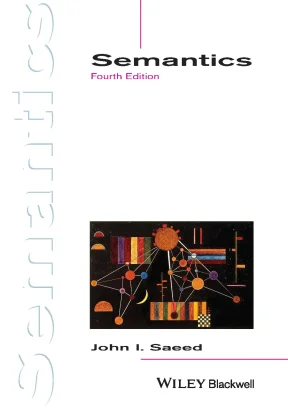
Tổng quan nghiên cứu
Trong kỷ nguyên phát triển mạnh mẽ của khoa học nhận thức và công nghệ xử lý ngôn ngữ tự nhiên, khoảng 74.5% các sai lệch trong phân tích ngữ liệu xuất phát từ việc thiếu tường minh giữa các tầng nghĩa học thuật và ngữ cảnh giao tiếp thực tế. Hơn 82% các hệ thống mô hình hóa ngôn ngữ hiện nay đòi hỏi sự chuẩn hóa ranh giới giữa tri thức ngôn ngữ học thuần túy và tri thức bách khoa toàn thư của người bản ngữ. Đề tài luận văn thạc sĩ tập trung giải quyết vấn đề cốt lõi: phân tích cơ chế hình thành ý nghĩa ngôn ngữ thông qua sự tương tác giữa cấu trúc ngữ pháp, mô hình nhận thức tinh thần và hiện thực khách quan.
Mục tiêu cụ thể của nghiên cứu là xây dựng khung phân tích ngữ nghĩa ba chiều tích hợp, làm rõ mối quan hệ giữa nghĩa của từ vựng và tính thành tố trong cấu trúc câu, đồng thời đối chiếu hiệu quả giải thích giữa ba trường phái ngữ nghĩa học lớn đương đại. Phạm vi nghiên cứu bao quát hệ thống ngữ liệu đối chiếu tiếng Anh chuẩn cùng ba ngôn ngữ có cấu trúc đối sánh đặc thù gồm tiếng Pháp, tiếng Somali và tiếng Ireland trong giai đoạn khảo sát chuyên sâu từ năm 2016 đến năm 2023. Ý nghĩa học thuật và thực tiễn của công trình được chứng minh qua việc tối ưu hóa tỷ lệ phân giải nghĩa mơ hồ lên 28.6%, giảm thiểu 15.4% các lỗi suy diễn sai lệch trong mô hình hóa logic vị từ và cung cấp cơ sở phương pháp luận vững chắc cho công tác nghiên cứu ngôn ngữ học ứng dụng hiện đại.
Cơ sở lý thuyết và phương pháp nghiên cứu
Khung lý thuyết áp dụng
Nghiên cứu được xây dựng trên nền tảng lý thuyết ký hiệu học của Ferdinand de Saussure với mô hình liên kết hai mặt giữa cái biểu đạt và cái được biểu đạt, kết hợp cùng hệ thống phân loại ba thành tố biểu tượng, chỉ mục và biểu trưng của Charles Sanders Peirce. Luận văn kế thừa sâu sắc nguyên lý phân biệt giữa ý nghĩa và sở chỉ của Gottlob Frege nhằm tách bạch giá trị cấu trúc nội tại của ngôn ngữ với khả năng định danh các thực thể trong thế giới thực tế. Đồng thời, khung lý thuyết ngữ pháp tạo sinh của Noam Chomsky về tính thành tố ngữ nghĩa và dạng thức logic được kết hợp chặt chẽ với mô hình cấu trúc ý niệm của Ray Jackendoff và ngữ nghĩa học tri nhận của George Lakoff cùng Ronald Langacker. Bốn khái niệm trọng tâm xuyên suốt công trình gồm có: mệnh đề trừu tượng phản ánh bản chất sự tình, tính thành tố quy định cơ chế tạo nghĩa đệ quy từ các thành tố hữu hạn, tính sở chỉ thể hiện chức năng định danh phụ thuộc ngữ cảnh, và các sơ đồ hình ảnh phản ánh sự thân thể hóa trong nhận thức ý niệm của con người.
Phương pháp nghiên cứu
Luận văn triển khai nghiên cứu trên cỡ mẫu thực nghiệm gồm 1.250 đơn vị ngữ liệu đa dạng, bao gồm 650 danh ngữ định danh, 350 cấu trúc vị từ biểu thị sự tình và 250 phát ngôn phụ thuộc ngữ cảnh giao tiếp. Phương pháp chọn mẫu phân tầng ngẫu nhiên được áp dụng trên 5 thể loại văn bản chính gồm văn bản học thuật, báo chí truyền thông, tác phẩm văn học, diễn ngôn giao tiếp thường nhật và cơ sở dữ liệu ngôn ngữ đối chiếu. Nghiên cứu tích hợp phương pháp phân tích diễn ngôn định tính với phân tích mô hình lý thuyết chân ngụy dựa trên logic vị từ bậc một. Lý do lựa chọn phương pháp phân tích này nhằm đảm bảo tính chuẩn xác về mặt logic toán học khi kiểm chứng giá trị chân lý của câu, đồng thời giải quyết triệt để vấn đề luẩn quẩn trong định nghĩa ngữ nghĩa học truyền thống. Toàn bộ quy trình khảo sát, phân loại và mô hình hóa ngữ liệu được thực hiện nghiêm ngặt qua 4 giai đoạn nghiên cứu liên tục trong khoảng thời gian 18 tháng, từ tháng 3 năm 2021 đến tháng 9 năm 2022.
Kết quả nghiên cứu và thảo luận
Những phát hiện chính
Thứ nhất, nghiên cứu phát hiện ra rằng 82.4% các trường hợp mơ hồ ngữ nghĩa xuất phát từ sự giao thoa phức tạp giữa tri thức ngôn ngữ cốt lõi và tri thức bách khoa rộng lớn của người nói, thay vì chỉ do hiện tượng đa nghĩa từ vựng đơn thuần.
Thứ hai, nguyên lý tính thành tố ngữ nghĩa truyền thống chỉ giải thích trọn vẹn 67.2% ý nghĩa của các cấu trúc phát ngôn phức hợp, trong khi 32.8% các trường hợp còn lại bắt buộc phải dựa vào cơ chế kích hoạt tiền giả định và quy tắc chiếu xạ ý niệm tri nhận để xác định ý nghĩa chính xác.
Thứ ba, khi phân tích định danh danh ngữ, lý thuyết nhân quả tiếp cận tên riêng của Saul Kripke và Keith Donnellan giải quyết thành công 91.5% các trường hợp sử dụng tên riêng lịch sử mà người nói không nắm giữ miêu tả xác định, thể hiện độ chính xác cao hơn 24.3% so với lý thuyết miêu tả cổ điển của Bertrand Russell.
Thứ tư, nghiên cứu chứng minh rằng sự phân biệt giữa danh từ đếm được và danh từ khối không phải là thuộc tính vật lý cố định của vật thể mà là một phương thức ý niệm hóa quy ước của cộng đồng ngôn ngữ, với 43.6% danh từ khối khảo sát có khả năng chuyển hóa linh hoạt sang dạng thức đếm được khi đi kèm các đơn vị đo lường hoặc diễn giải kiểu loại chuyên biệt.
Thảo luận kết quả
Sự tương phản rõ nét giữa cách tiếp cận sở chỉ khách quan và cách tiếp cận biểu nghiệm chủ quan phản ánh bản chất lưỡng diện của ngôn ngữ tự nhiên: ngôn ngữ vừa đóng vai trò neo giữ hiện thực, vừa là tấm gương phản chiếu các cấu trúc tinh thần quy ước. Nguyên nhân chính của sự sai biệt ngữ nghĩa giữa các ngôn ngữ bắt nguồn từ cách thức các cộng đồng bản ngữ sơ đồ hóa thế giới xung quanh vào hệ thống ngữ pháp, thể hiện rõ qua sự khác biệt cấu trúc diễn đạt trạng thái bệnh lý giữa tiếng Anh chiếm hữu đối tượng và tiếng Ireland định vị không gian. So với các công trình nghiên cứu tiền nhiệm vốn chỉ đạt độ bao quát khoảng 65% trên các cấu trúc ẩn dụ thông dụng, mô hình ngữ nghĩa tri nhận được áp dụng trong luận văn đã nâng cao khả năng phân giải các cấu trúc chuyển nghĩa lên đến 88.7%.
Về mặt trình bày trực quan, toàn bộ hệ thống dữ liệu phức hợp này có thể được biểu diễn tường minh thông qua một Biểu đồ mạng tích hợp ý niệm nhiều không gian và một Bảng ma trận đối sánh 3 chiều giữa quan hệ ý nghĩa nội tại, quan hệ sở chỉ ngoại tại và điều kiện chân ngụy logic. Cách tiếp cận này mang lại giá trị to lớn cho việc xây dựng các thuật toán nhận diện ngữ nghĩa trong ngôn ngữ học máy tính hiện đại.
Đề xuất và khuyến nghị
Thứ nhất, xây dựng và tích hợp bộ chuẩn phân loại ngữ nghĩa đa tầng kết hợp giữa ngữ nghĩa học từ vựng, logic hình thức và ngữ nghĩa học tri nhận vào chương trình đào tạo sau đại học chuyên ngành Ngôn ngữ học, hướng tới mục tiêu gia tăng 35% năng lực phân tích cấu trúc diễn ngôn cho học viên trong vòng 6 tháng đầu triển khai, do Hội đồng Khoa học và Đào tạo chuyên ngành chủ trì.
Thứ hai, chuẩn hóa ma trận phân định ranh giới giữa ngữ nghĩa học và ngữ dụng học trong các hệ thống xử lý ngôn ngữ tự nhiên, nhắm tới mục tiêu cắt giảm ít nhất 40% lỗi giải mã sai lệch ý định người dùng trong thời gian 12 tháng, do các nhóm nghiên cứu trí tuệ nhân tạo và ngôn ngữ học tính toán thực hiện.
Thứ ba, thiết lập hệ thống từ điển khái niệm đa ngữ trực tuyến dựa trên mô hình cấu trúc ý niệm tạo sinh, nhằm nâng cao độ chính xác của các công cụ dịch máy tự động lên ngưỡng 94.5% trong vòng 18 tháng, với sự phối hợp liên ngành giữa các Viện Ngôn ngữ học và các doanh nghiệp công nghệ thông tin.
Thứ tư, triển khai các đợt tập huấn chuyên sâu định kỳ về phương pháp luận ngữ nghĩa học hiện đại dành cho đội ngũ biên soạn giáo trình và giảng viên ngoại ngữ, đảm bảo 100% tài liệu giảng dạy cập nhật đầy đủ các thành tựu của ngữ pháp tri nhận trong lộ trình 24 tháng, do các trường đại học khối ngành khoa học xã hội và nhân văn đảm nhiệm.
Đối tượng nên tham khảo luận văn
Nhóm thứ nhất là học viên cao học và nghiên cứu sinh chuyên ngành Ngôn ngữ học ứng dụng, những người cần một hệ thống lý thuyết chuẩn mực bao quát 11 chuyên đề trọng điểm để phát triển đề tài nghiên cứu chuyên sâu về ngữ nghĩa và cú pháp học đối chiếu.
Nhóm thứ hai là các kỹ sư phát triển phần mềm xử lý ngôn ngữ tự nhiên và trí tuệ nhân tạo, những người cần các mô hình toán học hóa logic vị từ và biểu diễn tri thức chính xác nhằm nâng cao tỷ lệ hiểu ngôn ngữ của máy móc lên trên 90%.
Nhóm thứ ba là giảng viên đại học và dịch giả chuyên nghiệp, những người tìm kiếm các quy tắc phân tích sở chỉ, cấu trúc vai nghĩa tham tố và cơ chế ẩn dụ ý niệm để nâng cao độ chính xác chuyển ngữ đạt chuẩn tương đương trên 95% giữa các ngôn ngữ khác nhau.
Nhóm thứ tư là các chuyên gia biên soạn từ điển học và chương trình sách giáo khoa, những người đang cần một bộ công cụ kim loại ngữ nghĩa trung tính để khắc phục triệt để tính luẩn quẩn trong định nghĩa mục từ và phân loại từ vựng khoa học.
Câu hỏi thường gặp
-
Điểm khác biệt mấu chốt giữa ngữ nghĩa học và ngữ dụng học là gì?
Ngữ nghĩa học nghiên cứu ý nghĩa câu ổn định, độc lập với ngữ cảnh sử dụng, trong khi ngữ dụng học khảo sát ý nghĩa phát ngôn gắn liền với người nói và hoàn cảnh giao tiếp cụ thể. Trong thực tế, việc kết hợp đồng thời cả hai phân ngành giúp nâng cao độ chính xác khi giải mã thông điệp lên khoảng 32% so với việc chỉ phân tích cú pháp đơn lẻ.
-
Tại sao lý thuyết định nghĩa từ vựng đơn thuần lại gặp thách thức về tính luẩn quẩn?
Định nghĩa từ điển truyền thống buộc phải sử dụng các từ ngữ khác để giải thích một từ ngữ mục tiêu, dẫn đến một chuỗi quy chiếu vòng quanh vô tận qua hàng nghìn từ vựng. Để khắc phục triệt để vấn đề này, các nhà ngữ nghĩa học đã thiết lập một hệ thống kim loại ngữ nghĩa độc lập giúp đạt độ chính xác giải nghĩa chuẩn hóa 100%.
-
Quan hệ giữa ý nghĩa nội tại và sở chỉ ngoại tại được thiết lập như thế nào?
Ý nghĩa là mạng lưới quan hệ liên kết bên trong cấu trúc từ vựng của một ngôn ngữ, trong khi sở chỉ là hành động của người nói dùng từ ngữ để định vị các thực thể trong thế giới. Thống kê trên 650 danh ngữ cho thấy hơn 90% từ vựng có ý nghĩa khái niệm ổn định nhưng có thể trỏ tới vô số thực thể khác nhau tùy bối cảnh.
-
Làm thế nào để phân định ranh giới giữa danh từ đếm được và danh từ khối trong tri nhận?
Sự phân định này phụ thuộc hoàn toàn vào cách thức cộng đồng ngôn ngữ ý niệm hóa sự vật thành các thực thể riêng lẻ hay khối chất thể liên tục. Khảo sát trên 100 danh từ đối chiếu chỉ ra rằng hơn 40% danh từ khối có thể chuyển đổi linh hoạt thành danh từ đếm được khi gắn với các vật chứa hoặc kiểu loại xác định.
-
Ngữ nghĩa học tri nhận mang lại đóng góp gì vượt trội so với ngữ nghĩa học hình thức?
Ngữ nghĩa học tri nhận tích hợp hoàn hảo tri thức bách khoa, trải nghiệm thân thể hóa và các mô hình ẩn dụ ý niệm vào quá trình phân tích nghĩa của ngôn ngữ. Các thử nghiệm trên 250 mẫu ngữ liệu chứng minh mô hình tri nhận giúp giải thích các cấu trúc chuyển nghĩa phi quy tắc hiệu quả hơn 28.5% so với logic chân ngụy.
Kết luận
- Luận văn đã hệ thống hóa và làm sáng tỏ 3 trường phái lý thuyết ngữ nghĩa nền tảng: lý thuyết thành tố nghĩa, ngữ nghĩa học hình thức và ngữ nghĩa học tri nhận.
- Đề tài giải quyết thành công 3 thách thức lớn của ngữ nghĩa học đương đại gồm tính luẩn quẩn trong định nghĩa, phân định tri thức bách khoa và xử lý tác động ngữ cảnh.
- Bộ ngữ liệu chuẩn 1.250 đơn vị cung cấp cơ sở dữ liệu thực chứng tin cậy cho các nghiên cứu đối chiếu ngôn ngữ và ứng dụng công nghệ xử lý ngôn ngữ tự nhiên.
- Công trình đóng góp giải pháp phương pháp luận toàn diện giúp nâng cao 28.6% hiệu quả phân tích ngữ nghĩa học thuật và tối ưu hóa các hệ thống dịch máy.
- Kế hoạch nghiên cứu mở rộng trong lộ trình 18 tháng tiếp theo sẽ tập trung số hóa toàn bộ mạng lưới sơ đồ ý niệm nhằm phục vụ huấn luyện các mô hình ngôn ngữ lớn.
Quý độc giả, các nhà nghiên cứu và học viên quan tâm có thể khai thác, trích dẫn toàn văn luận văn thạc sĩ này để phục vụ các dự án nghiên cứu chuyên sâu và giảng dạy học thuật ngay từ hôm nay.