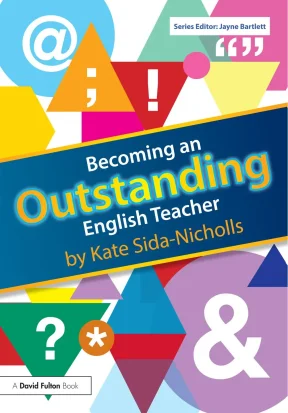
Hướng Dẫn Trở Thành Giáo Viên Tiếng Anh Xuất Sắc (Becoming an Outstanding English Teacher) – Phân Tích Giáo Trình Sư Phạm Chuyên Ngành
Tổng quan về giáo trình
Becoming an Outstanding English Teacher của tác giả Kate Sida-Nicholls (do Nhà xuất bản Routledge phát hành năm 2017, thuộc chuỗi ấn bản Becoming an Outstanding Teacher do Jayne Bartlett làm chủ biên) là giáo trình chuyên ngành phương pháp giảng dạy tiếng Anh (English Pedagogy). Tài liệu được biên soạn phục vụ các chương trình đào tạo giáo viên ban đầu (Initial Teacher Training - ITT), các khóa cấp chứng chỉ sư phạm sau đại học (PGCE), cũng như các chương trình phát triển chuyên môn liên tục (Continuous Professional Development - CPD) dành cho giảng viên và giáo viên tiếng Anh bậc trung học cơ sở và trung học phổ thông.
+-------------------------------------------------------------------------------+
| THÔNG TIN XUẤT BẢN & MÃ ĐỊNH DANH                                             |
+-------------------+-----------------------------------------------------------+
| Tác giả           | Kate Sida-Nicholls                                        |
| Chủ biên bộ sách  | Jayne Bartlett                                            |
| Nhà xuất bản      | Routledge (Taylor & Francis Group, London & New York)     |
| Năm xuất bản      | 2017 (Bản quyền 2017, đăng ký Thư viện Quốc hội Mỹ 2016) |
| Mã định danh ISBN | 978-1-138-91696-8 (hbk) | 978-1-138-91697-5 (pbk)         |
|                   | 978-1-315-68931-9 (ebk)                                   |
| Phân loại LCC     | LB1576 .S0071 2016 | DDC 428.0071                         |
+-------------------+-----------------------------------------------------------+
Mục tiêu đào tạo cốt lõi của giáo trình là trang bị cho người học năng lực thiết kế tiến trình bài giảng đạt chuẩn xuất sắc (outstanding) dựa trên kết quả đầu ra đo lường được (measurable learning outcomes), năng lực tổ chức lớp học tương tác, kỹ thuật phân hóa dạy học (differentiation) và phương pháp đánh giá quá trình (formative assessment).
Giáo trình tiếp cận việc giảng dạy theo mô hình cấu trúc bài học ba giai đoạn (mở đầu, triển khai trọng tâm, tổng kết) kết hợp với các lý thuyết khoa học nhận thức hiện đại. Điểm đặc trưng của tài liệu nằm ở việc chuyển hóa trực tiếp khung Chương trình Giáo dục Quốc gia Anh (National Curriculum) và cấu trúc đề thi GCSE mới thành các kịch bản sư phạm cụ thể, hạn chế tối đa tính lý thuyết trừu tượng bằng các công cụ tác nghiệp trực tiếp trong lớp học.
Nội dung kiến thức cốt lõi
Các chương và chủ đề chính
Giáo trình được cấu trúc thành 9 chương theo tiến trình logic từ định hướng nguyên lý, tổ chức từng giai đoạn của bài giảng đến thiết kế giáo án tổng thể:
[Chương 1: Thiết lập kết nối]
- Chương 1: Making connections (Thiết lập các kết nối): Phân tích các tiêu chuẩn về một giờ học xuất sắc theo khung giám định của Ofsted. Khảo sát năng lực ngôn ngữ và tư duy thế kỷ 21, đặt ra nguyên tắc tích hợp kiến thức và kỹ năng trong các phân môn Ngữ văn và Tiếng Anh.
- Chương 2: How does it all begin? (Khởi động bài dạy như thế nào?): Trình bày kỹ thuật thiết lập hành vi học tập ngay từ đầu giờ thông qua hoạt động chuông (Bell work như Thunks, Dingbats, Jigsaws), xác lập kết quả đầu ra (Learning outcomes) và sử dụng câu hỏi lớn (Big Question) để kiểm tra kiến thức nền tảng.
- Chương 3: Learning in the main (Tổ chức tiến trình học tập trọng tâm): Hướng dẫn cấu trúc tiến trình bài học phi tuyến tính, kỹ thuật can thiệp sư phạm có chủ đích (lighthouse technique) và hệ thống hóa các hoạt động dạy học chính (RAFT Grid, Circle of Ideas, Six Thinking Hats, Conscience Alley, Role on the Wall, Fragmenting a poem, Tic-Tac-Toe).
- Chương 4: So how does it all end? (Tiến trình tổng kết bài học): Kỹ thuật tổ chức các hoạt động tổng kết (Plenary), bảng theo dõi tiến bộ (Progress chart), tự phản hồi và định hướng bài tập mở rộng (Home learning).
- Chương 5: What’s in a question? (Nghệ thuật đặt câu hỏi): Hệ thống hóa chiến lược đặt câu hỏi chuyển tiếp (Pose, Pause, Pounce, Bounce), phân loại mức độ nhận thức theo khung Depth of Knowledge (DOK), hướng dẫn kỹ thuật tạo câu hỏi đọc hiểu văn bản văn học.
- Chương 6: How do I know? (Phương pháp đánh giá học tập): Thiết lập tiêu chí thành công (Success criteria), kỹ thuật sử dụng phiếu vào lớp/phiếu ra lớp (Entrance Ticket/Exit Ticket), phương pháp chấm bài và tiếp cận hình thức đánh giá không dùng thang bậc điểm (Assessment without levels).
- Chương 7: Thirty different minds in the classroom (Phân hóa dạy học): Triển khai phân hóa theo câu hỏi, nhiệm vụ và kết quả đầu ra; hướng dẫn điều chỉnh bài giảng cho học sinh có nhu cầu giáo dục đặc biệt (SEN) và phương pháp phối hợp với trợ giảng (Teaching Assistants).
- Chương 8: The classroom environment (Môi trường lớp học): Tổ chức không gian trưng bày, quy hoạch sơ đồ chỗ ngồi (seating plans), quản lý thảo luận nhóm và xây dựng văn hóa ứng xử sư phạm.
- Chương 9: Putting it all together (Thiết kế giáo án tổng hợp): Cung cấp 2 giáo án mẫu hoàn chỉnh ứng dụng toàn bộ hệ thống phương pháp: Giáo án phân tích bài thơ Quickdraw của Carol Ann Duffy (Key Stage 4) và giáo án giảng dạy kỹ thuật lập luận thuyết phục (Key Stage 3).
Kiến thức nền tảng được xây dựng
Nội dung giáo trình được xây dựng dựa trên 6 nền tảng lý thuyết giáo dục học và tâm lý học nhận thức:
+------------------------------+-------------------------+------------------------------------------------+
| LÝ THUYẾT / KHUNG THAM CHIẾU | TÁC GIẢ / NGUỒN         | ỨNG DỤNG TRONG GIÁO TRÌNH                      |
+------------------------------+-------------------------+------------------------------------------------+
| Zone of Proximal Development | Lev Vygotsky            | Giàn giáo sư phạm (Scaffolding), xác định vùng |
| (Vùng phát triển gần)        |                         | kiến thức từ xuất phát điểm của người học.     |
+------------------------------+-------------------------+------------------------------------------------+
| Growth Mindset               | Carol Dweck (2012)      | Định hình tâm thế học tập; khắc phục rào cản   |
| (Tư duy phát triển)          |                         | định kiến về khả năng ngôn ngữ và chính tả.    |
+------------------------------+-------------------------+------------------------------------------------+
| Interleaving Learning        | Deans for Impact (2015) | Dạy học xen kẽ các chủ đề tích hợp thay vì     |
| (Khoa học học tập)           |                         | dạy các bài học đơn lẻ, tuyến tính.            |
+------------------------------+-------------------------+------------------------------------------------+
| Taxonomy of Educational      | Benjamin Bloom /        | Sử dụng động từ hành vi định lượng để xác lập  |
| Objectives (Thang Bloom)     | Paul Ginnis (2002)      | 3 cấp độ kết quả học tập.                      |
+------------------------------+-------------------------+------------------------------------------------+
| Six Thinking Hats            | Edward de Bono (1999)   | Phân tách các luồng tư duy khi giải mã nhân vật|
| (Sáu chiếc nón tư duy)       |                         | và bối cảnh tác phẩm văn học.                  |
+------------------------------+-------------------------+------------------------------------------------+
| Depth of Knowledge (DOK)     | Norman Webb             | Phân tầng 4 cấp độ tư duy nhận thức trong việc |
| (Độ sâu kiến thức)           |                         | giải quyết các câu hỏi đọc hiểu văn bản.       |
+------------------------------+-------------------------+------------------------------------------------+
Kỹ năng phát triển
- Năng lực phân tích và xử lý văn bản: Phân tích cấu trúc thơ và văn xuôi thông qua các kỹ thuật trực quan hóa (tách từ fragmentation, sơ đồ nhân vật Role on the Wall, biểu đồ tranh Pictionary cho các trích đoạn của Shakespeare).
- Năng lực quản lý sư phạm: Quản lý thời gian mở đầu bài học (khung thời gian 3–5 phút cho Bell work, 7–10 phút cho Starter), kỹ năng định vị quan sát (lighthouse positioning) và kiểm soát mức độ tiếng ồn trong lớp học.
- Năng lực đánh giá quá trình (AfL): Kỹ thuật thu thập phản hồi đồng loạt bằng bảng con (mini-whiteboards), thang đo hiểu biết (Continuum line 1-5 theo mô hình của John Hattie), bảng KWL (Know - Would like to know - Learned), và câu hỏi lớn (Big Question).
Phương pháp giảng dạy và học tập
Tiếp cận sư phạm (Pedagogical Approach)
Giáo trình vận dụng quan điểm sư phạm lấy tiến bộ của học sinh làm trung tâm (student progress-centered approach). Điểm mấu chốt là phân biệt rõ giữa "làm việc" (doing) và "học tập" (learning). Người dạy không truyền đạt kiến thức theo một chiều mà tổ chức môi trường để người học tự khám phá, tự bộc lộ các lỗ hổng tri thức (gaps in knowledge) thông qua các thử thách ban đầu trước khi giáo viên chính thức can thiệp.
TIẾN TRÌNH DẠY HỌC KHÔNG TUYẾN TÍNH (VERSION 2 - SEQUENCE):
Bài tập, tình huống và ví dụ điển hình
Các phương pháp và công cụ dạy học được minh họa chi tiết thông qua các ngữ liệu văn học và đời sống thực tế:
- Phân tích nhân vật văn học: Phân tích nhân vật Elizabeth Bennett và Mr. Darcy trong tác phẩm Pride and Prejudice (Jane Austen) nhằm minh họa kỹ thuật thiết kế 3 cấp độ kết quả học tập bằng động từ hành vi của Paul Ginnis (Locate/Define -> Analyse/Explain -> Compare/Evaluate).
- Phân tích ngôn ngữ thuyết phục: Sử dụng video clip giới thiệu sản phẩm đồ chơi "Harry Potter Magic Wand Remote" và thiết bị "Compu-table" trong chương trình truyền hình thực tế Dragon's Den để xây dựng bảng tiêu chí thành công (Success criteria) về biện pháp tu từ (hyperbole, rhetorical questions, inclusive pronouns).
- Kịch hóa tâm lý nhân vật: Tổ chức hoạt động đường hầm lương tâm (Conscience Alley) phân tích tình huống nhân vật Juliet đưa ra quyết định uống thuốc độc trong vở kịch Romeo and Juliet của William Shakespeare.
- Giải mã thi ca: Kỹ thuật cuộn mở từng dòng thơ (unrolling a poem) và chia nhóm mảnh ghép (jigsaw) áp dụng trên thi phẩm Quickdraw (thuộc tập thơ Rapture của Carol Ann Duffy) và Dulce et Decorum Est của Wilfred Owen gắn với bức tranh Gassed của John Singer Sargent.
- Phân tầng câu hỏi theo DOK: Ứng dụng 4 cấp độ Depth of Knowledge để khai thác tiểu thuyết Lord of the Flies của William Golding.
+---------------------------------------------------------------------------------------------------------------+
| BẢNG MINH HỌA HOẠT ĐỘNG PHÂN HÓA DẠNG TIC-TAC-TOE (THEO CHƯƠNG 3)                                            |
+-----------------------------------+-----------------------------------+---------------------------------------+
| HÀNG 1: Trích xuất 8 dẫn chứng    | HÀNG 1: Viết 4 bài đăng Facebook  | HÀNG 1: Viết thư gửi phụ huynh nhân   |
| từ trang 114–118 và giải thích    | (50 từ/bài) dưới góc nhìn nhân    | vật chính dưới góc nhìn người hùng    |
| chân dung nhân vật.               | vật, sử dụng trích dẫn văn bản.   | (giới hạn 200 từ).                    |
+-----------------------------------+-----------------------------------+---------------------------------------+
| HÀNG 2: Soạn kịch bản đối thoại   | HÀNG 2: Hoàn thành sơ đồ Role     | HÀNG 2: Viết bài báo lá cải mô tả     |
| 300 từ giữa 3 nhân vật chính giả  | on the Wall cho 3 nhân vật chính, | hành vi của 3 nhân vật dựa trên dẫn   |
| định diễn biến tiếp theo.         | kết hợp dẫn chứng số trang.       | chứng trích đoạn.                     |
+-----------------------------------+-----------------------------------+---------------------------------------+
| HÀNG 3: Viết bài luận so sánh     | HÀNG 3: Viết bài luận đánh giá    | HÀNG 3: Phân tích trích đoạn trang    |
| hai nhân vật chính (đáp ứng tiêu  | mức độ trách nhiệm của nhân vật   | 117, liên hệ bối cảnh thời đại        |
| chuẩn AO1 và AO3).                | trong vụ án mạng (AO1, AO3).      | (đáp ứng tiêu chuẩn AO1 và AO3).      |
+-----------------------------------+-----------------------------------+---------------------------------------+
Phương pháp đánh giá và tự nghiên cứu
- Đánh giá thường xuyên: Không phụ thuộc vào hình thức giơ tay phát biểu truyền thống; sử dụng triệt để kỹ thuật No hands up, thời gian chờ suy nghĩ (Think-Pair-Share), bảng tương tác mini và quy tắc đếm ngược đồng loạt hiển thị kết quả (1, 2, 3 and show me).
- Đánh giá đồng đẳng và tự đánh giá: Xây dựng phiếu tiêu chí tường minh giúp người học tự đối chiếu bài viết của mình và đồng đẳng theo mô hình nhóm Circle of Ideas.
- Tự bồi dưỡng chuyên môn: Tài liệu hướng dẫn giáo viên phương pháp dự giờ đồng nghiệp tập trung vào hành vi và tiến trình nhận thức của 3–4 học sinh mục tiêu thay vì chỉ tập trung vào thao tác của người dạy.
Điểm nổi bật và cập nhật
- Tương thích với cải cách khảo thí: Giáo trình cập nhật trực tiếp những thay đổi của kỳ thi GCSE và chuẩn National Curriculum tại Anh, đặc biệt là việc đối phó với dạng đề thi không sử dụng tài liệu (closed-book exams) và phân tích văn bản thơ chưa học (unseen poetry). Để giải quyết yêu cầu này, sách cung cấp các phương pháp ghi nhớ dài hạn như chuyển đổi trích dẫn thành hình ảnh (Pictionary/Visual quotes) và câu hỏi trắc nghiệm ôn tập định kỳ hàng tuần.
- Cập nhật khoa học nhận thức: Tích hợp nghiên cứu từ báo cáo The Science of Learning (Deans for Impact, 2015), nhấn mạnh kỹ thuật đan cài kiến thức (interleaving) thay vì dạy học theo từng khối biệt lập.
- Tính liên hệ thực tiễn: Kết nối các chủ đề văn học cổ điển với các hiện tượng văn hóa đương đại (liên hệ kịch bản Shakespeare với phim truyền hình nhiều tập, liên hệ thơ ca với nhạc Rap, đối chiếu quy tắc ngôn ngữ chuẩn mực với tiếng lóng và biểu tượng cảm xúc trên mạng xã hội).
- Kỹ năng nghề nghiệp thế kỷ 21: Tích hợp các bài tập yêu cầu kỹ năng làm việc nhóm có phân định trách nhiệm cá nhân (qua màu bút), kỹ năng tổng hợp thông tin nhanh, và kỹ năng thuyết trình tương tự chương trình The Apprentice.
Đối tượng sử dụng giáo trình
+----------------------------+-----------------------------------+----------------------------------------------+
| NHÓM ĐỐI TƯỢNG             | ĐIỀU KIỆN TIÊN QUYẾT (PREREQUISITES) | CÁCH THỨC SỬ DỤNG GIÁO TRÌNH                 |
+----------------------------+-----------------------------------+----------------------------------------------+
| Sinh viên Sư phạm          | Có kiến thức nền tảng về ngôn ngữ | Sử dụng làm tài liệu học phần Phương pháp    |
| (Trainee teachers / ITT /  | học và văn học Anh; nắm được cấu  | dạy học tiếng Anh; thực hành thiết kế giáo   |
| PGCE)                      | trúc chương trình phổ thông cơ bản| án và mô phỏng giảng dạy trên lớp.           |
+----------------------------+-----------------------------------+----------------------------------------------+
| Giáo viên mới vào nghề     | Đang trực tiếp tham gia giảng dạy | Áp dụng các biểu mẫu có sẵn (RAFT, KWL,      |
| (NQTs - Newly Qualified    | tại các cơ sở giáo dục trung học. | Tic-Tac-Toe, Continuum lines) vào bài dạy     |
| Teachers)                  |                                   | hàng ngày để ổn định quản lý lớp học.       |
+----------------------------+-----------------------------------+----------------------------------------------+
| Giảng viên, Chuyên viên    | Có kinh nghiệm giảng dạy thực tế  | Dùng làm tài liệu khung để xây dựng các khóa |
| phát triển chuyên môn      | và hiểu biết về khung chuẩn Ofsted| tập huấn chuyên môn (CPD), định chuẩn tiêu   |
| (CPD Leaders / Mentors)    |                                   | chí dự giờ và đánh giá chất lượng giờ dạy.   |
+----------------------------+-----------------------------------+----------------------------------------------+
Câu hỏi thường gặp
1. Giáo trình này phù hợp với đối tượng nào?
Tài liệu được thiết kế chuyên biệt cho sinh viên theo học các chương trình đào tạo giáo viên tiếng Anh (ITT/PGCE), giáo viên dạy tiếng Anh và Ngữ văn tiếng Anh bậc trung học cơ sở và trung học phổ thông, cũng như các chuyên gia phụ trách công tác bồi dưỡng giáo viên tại các trường học.
2. Cần chuẩn bị kiến thức nền tảng nào trước khi tiếp cận giáo trình?
Người đọc cần có hiểu biết cơ bản về ngôn ngữ học tiếng Anh (ngữ pháp, từ loại, biện pháp tu từ), kiến thức về các tác phẩm văn học Anh phổ biến trong nhà trường (như tác phẩm của Shakespeare, Jane Austen, William Golding, Carol Ann Duffy), và các nguyên lý sư phạm tổng quát.
3. Điểm khác biệt của giáo trình này so với các tài liệu lý thuyết sư phạm truyền thống là gì?
Giáo trình tập trung vào tính ứng dụng thực hành ngay trong lớp học. Toàn bộ các chiến lược đều đi kèm biểu mẫu, thời gian định lượng chi tiết cho từng thao tác (ví dụ: Bell work 2-4 phút, Silent Debate 2-3 phút mỗi trạm), đồng thời tích hợp trực tiếp cách xử lý các trích đoạn văn học cụ thể thay vì chỉ nêu nguyên lý chung.
4. Làm thế nào để tự học và ứng dụng giáo trình một cách hiệu quả?
Người học nên tiếp cận theo từng chương tương ứng với từng giai đoạn của bài học: thử nghiệm các kỹ thuật khởi động (Chương 2), chuyển đổi cách tổ chức hoạt động chính (Chương 3), sau đó hoàn thiện hệ thống câu hỏi và đánh giá (Chương 5, 6). Cuối cùng, đối chiếu kế hoạch bài dạy cá nhân với hai giáo án mẫu chi tiết ở Chương 9.
5. Có tài liệu hoặc công cụ bổ trợ nào được tích hợp trong giáo trình?
Giáo trình cung cấp các đường dẫn tham khảo, danh mục bảng biểu mẫu (bảng RAFT, lưới KWL, bảng Tic-Tac-Toe, bảng mức độ DOK), danh mục động từ hành vi phân hóa của Paul Ginnis, hệ thống hình ảnh minh họa câu đố (Dingbats, Jigsaws), cùng kịch bản câu hỏi mẫu phân tích bài thơ Quickdraw.
Kết luận
Giáo trình Becoming an Outstanding English Teacher của Kate Sida-Nicholls hệ thống hóa toàn diện quy trình tổ chức một giờ học tiếng Anh đạt chuẩn chất lượng cao. Giá trị cốt lõi của tài liệu nằm ở sự gắn kết chặt chẽ giữa các khung lý thuyết tâm lý học nhận thức (Vygotsky, Dweck, De Bono, Webb, Bloom) với các hoạt động sư phạm mang tính thực thi cao trong lớp học.
Tiến trình tiếp cận được định hình rõ nét qua chu trình: Thiết lập văn hóa học tập ngay từ đầu giờ -> Tổ chức hoạt động học tập có giàn giáo hỗ trợ và phân hóa -> Đo lường sự tiến bộ thực chất thông qua tiêu chí thành công rõ ràng. Giáo trình là nguồn tài liệu nghiệp vụ phục vụ công tác đào tạo và nâng cao năng lực sư phạm cho đội ngũ giáo viên tiếng Anh hiện đại.