Tổng quan nghiên cứu
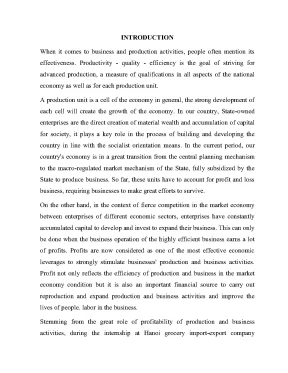
Trong bối cảnh nền kinh tế Việt Nam chuyển đổi từ cơ chế kế hoạch tập trung sang cơ chế thị trường có sự điều tiết vĩ mô của Nhà nước, hiệu quả hoạt động sản xuất kinh doanh trở thành mục tiêu trọng yếu của các doanh nghiệp, đặc biệt là doanh nghiệp nhà nước. Theo ước tính, các doanh nghiệp nhà nước đóng vai trò then chốt trong việc tạo ra của cải vật chất và tích lũy vốn cho xã hội, góp phần phát triển kinh tế quốc gia. Tuy nhiên, trong môi trường cạnh tranh khốc liệt hiện nay, các doanh nghiệp phải tự chủ về tài chính, chịu trách nhiệm về lợi nhuận và thua lỗ, đòi hỏi sự nỗ lực lớn để tồn tại và phát triển.
Luận văn tập trung nghiên cứu về lợi nhuận và các giải pháp nâng cao lợi nhuận tại Công ty TNHH Thương mại Xuất nhập khẩu Tổng hợp Hà Nội (TOCONTAP) – một doanh nghiệp nhà nước hoạt động trong lĩnh vực nhập khẩu và xuất khẩu hàng tạp hóa. Nghiên cứu phân tích chi tiết tình hình kinh doanh, lợi nhuận trong các năm 2017-2018, đồng thời đề xuất các giải pháp nhằm tăng cường hiệu quả kinh doanh và lợi nhuận của công ty trong giai đoạn hội nhập kinh tế quốc tế sâu rộng.
Phạm vi nghiên cứu tập trung vào hoạt động sản xuất kinh doanh của TOCONTAP trong hai năm 2017 và 2018, với mục tiêu đánh giá thực trạng lợi nhuận, xác định các yếu tố ảnh hưởng và đề xuất các biện pháp cải thiện. Ý nghĩa nghiên cứu thể hiện qua việc cung cấp cơ sở khoa học cho công ty trong việc hoạch định chiến lược phát triển bền vững, đồng thời góp phần nâng cao hiệu quả hoạt động của các doanh nghiệp nhà nước trong bối cảnh thị trường cạnh tranh ngày càng gay gắt.
Cơ sở lý thuyết và phương pháp nghiên cứu
Khung lý thuyết áp dụng
Luận văn dựa trên các lý thuyết kinh tế về lợi nhuận trong doanh nghiệp, bao gồm:
-
Lý thuyết giá trị thặng dư của K. Marx: Phân tích nguồn gốc và bản chất của lợi nhuận là giá trị thặng dư do lao động tạo ra, trong đó lợi nhuận là phần giá trị vượt quá chi phí sản xuất và tiền lương trả cho người lao động. Lợi nhuận được biểu hiện qua công thức tổng giá trị hàng hóa sản xuất là $G_t = c + v + m$, trong đó $c$ là vốn bất biến, $v$ là vốn khả biến, và $m$ là giá trị thặng dư.
-
Lý thuyết về các loại lợi nhuận trong doanh nghiệp: Phân loại lợi nhuận thành lợi nhuận từ hoạt động kinh doanh chính, lợi nhuận từ hoạt động tài chính và lợi nhuận bất thường. Mỗi loại lợi nhuận phản ánh các khía cạnh khác nhau của hiệu quả kinh doanh và quản lý doanh nghiệp.
-
Khái niệm về biên lợi nhuận (profit margin): Các chỉ số như tỷ suất lợi nhuận trên doanh thu, trên vốn và trên chi phí được sử dụng để đánh giá hiệu quả kinh doanh và so sánh giữa các kỳ hoặc giữa các doanh nghiệp cùng ngành.
Các khái niệm chính bao gồm: lợi nhuận, giá trị thặng dư, lợi nhuận kinh doanh, lợi nhuận tài chính, lợi nhuận bất thường, biên lợi nhuận, chi phí kinh doanh, doanh thu.
Phương pháp nghiên cứu
Nghiên cứu sử dụng phương pháp phân tích định lượng dựa trên số liệu thực tế của Công ty TOCONTAP trong hai năm 2017 và 2018. Cụ thể:
-
Nguồn dữ liệu: Báo cáo tài chính, báo cáo kinh doanh, số liệu nhập khẩu và xuất khẩu, các hợp đồng kinh tế và các tài liệu nội bộ của công ty.
-
Phương pháp chọn mẫu: Toàn bộ dữ liệu kinh doanh của công ty trong hai năm được thu thập và phân tích nhằm đảm bảo tính toàn diện và chính xác.
-
Phương pháp phân tích: Sử dụng phân tích thống kê mô tả để đánh giá tình hình kinh doanh, phân tích các chỉ số lợi nhuận, so sánh biến động doanh thu và chi phí, đồng thời áp dụng mô hình phân tích các yếu tố ảnh hưởng đến lợi nhuận. Ngoài ra, phương pháp so sánh được sử dụng để đối chiếu kết quả kinh doanh giữa các năm và với các doanh nghiệp cùng ngành.
-
Timeline nghiên cứu: Nghiên cứu được thực hiện trong khoảng thời gian thực tập và thu thập số liệu từ năm 2017 đến 2018, với việc phân tích và đề xuất giải pháp được hoàn thiện trong năm 2019.
Kết quả nghiên cứu và thảo luận
Những phát hiện chính
-
Tình hình nhập khẩu và xuất khẩu: Tổng giá trị nhập khẩu của TOCONTAP năm 2017 đạt khoảng 19,228,049 USD, giảm nhẹ xuống còn 19,028,762 USD năm 2018, chiếm phần lớn là hàng hóa tự doanh (75.02% năm 2018 so với 80.14% năm 2017). Xuất khẩu năm 2017 đạt hơn 7 triệu USD, tăng gấp đôi so với các năm trước, trong đó mặt hàng văn phòng phẩm chiếm 65% tổng kim ngạch xuất khẩu, bàn chải sơn chiếm 24%.
-
Lợi nhuận sau thuế: Năm 2018, lợi nhuận sau thuế của công ty đạt 1,438 triệu đồng, tăng so với năm 2017 mặc dù doanh thu giảm 4,093 triệu đồng. Điều này cho thấy công ty đã cải thiện hiệu quả quản lý chi phí và hoạt động kinh doanh.
-
Tỷ lệ hoàn thành kế hoạch: Năm 2018, công ty đạt 144% kế hoạch tổng doanh thu, trong đó xuất khẩu đạt 106% kế hoạch nhưng giảm 50% so với năm 2017 do các yếu tố khách quan như thị trường Iraq bất ổn. Nhập khẩu đạt 115% kế hoạch, tương đương 99% so với năm trước.
-
Cơ cấu hàng hóa đa dạng: Công ty nhập khẩu và xuất khẩu nhiều loại hàng hóa từ hơn 30 quốc gia, trong đó nhập khẩu chủ yếu từ Nhật Bản, Hàn Quốc, Trung Quốc, Đức, Canada. Các mặt hàng nhập khẩu đa dạng từ thiết bị y tế, vật liệu xây dựng đến đồ dùng văn phòng và thực phẩm.
Thảo luận kết quả
Kết quả cho thấy TOCONTAP đã duy trì được sự ổn định trong hoạt động kinh doanh nhập khẩu và xuất khẩu, đồng thời cải thiện lợi nhuận trong bối cảnh thị trường có nhiều biến động. Việc tăng lợi nhuận dù doanh thu giảm phản ánh hiệu quả quản lý chi phí và tối ưu hóa hoạt động kinh doanh. So với các nghiên cứu trong ngành, tỷ lệ hoàn thành kế hoạch trên 100% là dấu hiệu tích cực, tuy nhiên sự giảm sút xuất khẩu sang một số thị trường truyền thống như Iraq và Nga cho thấy công ty cần đa dạng hóa thị trường và sản phẩm.
Biểu đồ thể hiện sự biến động doanh thu và lợi nhuận qua các năm sẽ minh họa rõ nét xu hướng kinh doanh của công ty. Bảng phân tích cơ cấu hàng hóa nhập khẩu và xuất khẩu theo quốc gia cũng giúp nhận diện các thị trường trọng điểm và tiềm năng.
Nguyên nhân chính của những biến động này bao gồm sự thay đổi trong môi trường kinh tế quốc tế, chính sách thuế và tỷ giá, cũng như năng lực quản lý và chiến lược kinh doanh của công ty. Việc tập trung vào các mặt hàng có lợi nhuận cao như bàn chải sơn và văn phòng phẩm đã góp phần nâng cao hiệu quả kinh doanh.
Đề xuất và khuyến nghị
-
Mở rộng và đa dạng hóa thị trường xuất khẩu: Tập trung khai thác các thị trường mới như châu Phi, Trung Đông, Lào, Campuchia nhằm giảm thiểu rủi ro từ các thị trường truyền thống không ổn định. Chủ thể thực hiện: Ban lãnh đạo công ty; Thời gian: 2019-2021.
-
Tăng cường liên kết với các cơ sở sản xuất trong nước: Hợp tác chặt chẽ với các nhà sản xuất để đa dạng hóa sản phẩm xuất khẩu, nâng cao chất lượng và giảm chi phí đầu vào. Chủ thể: Phòng kinh doanh và đối ngoại; Thời gian: 2019-2020.
-
Cải tiến quản lý tài chính và giảm vòng quay vốn: Rút ngắn chu kỳ quay vòng vốn xuống còn 60 ngày, giảm nợ quá hạn và nâng cao hiệu quả thu hồi công nợ nhằm tăng khả năng tài chính và đầu tư. Chủ thể: Phòng tài chính kế toán; Thời gian: 2019.
-
Nâng cao năng lực nhân sự và đổi mới quản trị: Tổ chức đào tạo, bồi dưỡng kỹ năng quản lý, kinh doanh quốc tế cho cán bộ nhân viên, đồng thời áp dụng các công nghệ quản lý hiện đại để nâng cao hiệu quả hoạt động. Chủ thể: Ban nhân sự và đào tạo; Thời gian: 2019-2022.
-
Thực hiện nghiêm túc các quy định về chống buôn lậu và gian lận thương mại: Bảo vệ uy tín thương hiệu công ty trên thị trường, đảm bảo hoạt động kinh doanh minh bạch và bền vững. Chủ thể: Ban kiểm soát nội bộ; Thời gian: liên tục.
Đối tượng nên tham khảo luận văn
-
Ban lãnh đạo và quản lý doanh nghiệp nhà nước: Nhận diện các yếu tố ảnh hưởng đến lợi nhuận, từ đó xây dựng chiến lược kinh doanh phù hợp nhằm nâng cao hiệu quả hoạt động.
-
Các chuyên gia và nhà nghiên cứu kinh tế: Tài liệu cung cấp cơ sở lý thuyết và thực tiễn về lợi nhuận doanh nghiệp trong bối cảnh chuyển đổi kinh tế và hội nhập quốc tế.
-
Sinh viên và học viên cao học ngành kinh tế, quản trị kinh doanh: Nghiên cứu thực tiễn về quản lý lợi nhuận và các giải pháp nâng cao hiệu quả kinh doanh tại doanh nghiệp nhà nước.
-
Cơ quan quản lý nhà nước về kinh tế và doanh nghiệp: Tham khảo để xây dựng chính sách hỗ trợ doanh nghiệp nhà nước nâng cao năng lực cạnh tranh và phát triển bền vững.
Câu hỏi thường gặp
-
Lợi nhuận của doanh nghiệp nhà nước có điểm gì khác biệt so với doanh nghiệp tư nhân?
Lợi nhuận doanh nghiệp nhà nước không chỉ là mục tiêu kinh tế mà còn phục vụ lợi ích xã hội, tái đầu tư phát triển và cải thiện đời sống người lao động, trong khi doanh nghiệp tư nhân chủ yếu tập trung tối đa hóa lợi nhuận cho chủ sở hữu.
-
Các yếu tố khách quan nào ảnh hưởng đến lợi nhuận của TOCONTAP?
Bao gồm biến động thị trường quốc tế, chính sách thuế, tỷ giá ngoại tệ, môi trường chính trị và kinh tế trong nước và quốc tế, cũng như các yếu tố thiên tai và biến động giá cả nguyên liệu.
-
Tại sao lợi nhuận năm 2018 tăng trong khi doanh thu giảm?
Do công ty đã cải thiện quản lý chi phí, tối ưu hóa hoạt động kinh doanh và tập trung vào các mặt hàng có biên lợi nhuận cao, đồng thời giảm thiểu các khoản chi phí không cần thiết.
-
Làm thế nào để giảm vòng quay vốn và nợ quá hạn?
Thông qua việc nâng cao hiệu quả thu hồi công nợ, quản lý chặt chẽ các khoản phải thu, đàm phán điều kiện thanh toán với khách hàng và tối ưu hóa quy trình kinh doanh.
-
Giải pháp nào giúp TOCONTAP mở rộng thị trường xuất khẩu hiệu quả?
Nghiên cứu thị trường kỹ lưỡng, xây dựng các chính sách giá phù hợp, tăng cường quảng bá thương hiệu, hợp tác với các đối tác địa phương và đa dạng hóa sản phẩm xuất khẩu.
Kết luận
- Lợi nhuận là chỉ số quan trọng phản ánh hiệu quả hoạt động sản xuất kinh doanh của TOCONTAP trong bối cảnh thị trường cạnh tranh và hội nhập quốc tế.
- Công ty đã duy trì được sự ổn định trong hoạt động nhập khẩu, xuất khẩu và cải thiện lợi nhuận trong giai đoạn 2017-2018.
- Các yếu tố khách quan và chủ quan đều ảnh hưởng đến lợi nhuận, đòi hỏi công ty phải có chiến lược linh hoạt và quản lý hiệu quả.
- Đề xuất các giải pháp cụ thể nhằm mở rộng thị trường, nâng cao năng lực quản lý, cải thiện tài chính và phát triển nguồn nhân lực.
- Tiếp tục theo dõi, đánh giá và điều chỉnh kế hoạch kinh doanh trong các năm tiếp theo để đảm bảo sự phát triển bền vững và nâng cao lợi nhuận.
Hành động tiếp theo: Ban lãnh đạo công ty cần triển khai ngay các giải pháp đề xuất, đồng thời xây dựng hệ thống giám sát hiệu quả thực hiện để đạt được mục tiêu lợi nhuận đề ra trong giai đoạn 2019-2021.