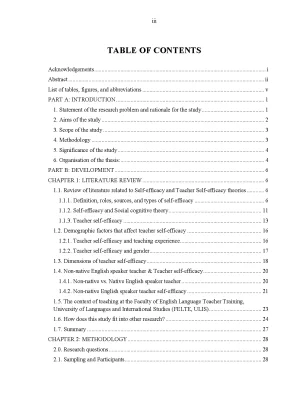
Tổng quan nghiên cứu
Trong bối cảnh toàn cầu hóa, tiếng Anh đã trở thành ngôn ngữ giao tiếp quốc tế hàng đầu, kéo theo sự gia tăng mạnh mẽ của lực lượng giáo viên dạy tiếng Anh như một ngoại ngữ. Thống kê trong ngành giáo dục ngôn ngữ cho thấy khoảng 80% đến 85% đội ngũ giảng dạy tiếng Anh trên toàn cầu là giáo viên không bản ngữ. Tại Việt Nam, Khoa Sư phạm Tiếng Anh thuộc Trường Đại học Ngoại ngữ, Đại học Quốc gia Hà Nội đóng vai trò là một trong những đơn vị tiên phong đào tạo cử nhân và giảng viên ngoại ngữ chất lượng cao cho cả nước, với đội ngũ giảng viên người Việt Nam chiếm hơn 85% tổng số nhân sự giảng dạy.
Mặc dù giữ vai trò nòng cốt, nhiều giáo viên không bản ngữ vẫn đối mặt với tâm lý tự ti về độ chuẩn xác ngữ âm hoặc kiến thức văn hóa bản địa khi so sánh với các đồng nghiệp bản ngữ. Nghiên cứu này tập trung giải quyết bài toán cốt lõi: Đánh giá thực trạng niềm tin tự hiệu quả sư phạm của đội ngũ giảng viên tiếng Anh không bản ngữ, đồng thời thực hiện đối sánh định lượng với nhóm giảng viên bản ngữ trong cùng môi trường học thuật. Mục tiêu cụ thể là xác định mức độ tự đánh giá năng lực giảng dạy trên 4 khía cạnh sư phạm chính, kiểm định tác động của các biến số nhân khẩu học như thâm niên công tác và giới tính đến năng lực này.
Ý nghĩa thực tiễn của công trình thể hiện qua việc cung cấp bộ dữ liệu thực nghiệm chuẩn xác, hỗ trợ các nhà quản lý nâng cao hiệu quả chương trình cố vấn sư phạm, vốn đã hỗ trợ hơn 70% giảng viên trẻ trong những năm đầu sự nghiệp. Đồng thời, nghiên cứu mở ra định hướng tối ưu hóa chính sách bồi dưỡng chuyên môn, thúc đẩy sự tự tin và nâng cao kết quả học tập cho hơn 1.000 sinh viên chuyên ngữ mỗi khóa.
Cơ sở lý thuyết và phương pháp nghiên cứu
Khung lý thuyết áp dụng
Nền tảng lý thuyết của luận văn dựa trên Thuyết nhận thức xã hội do nhà tâm lý học Albert Bandura phát triển, trọng tâm là Mô hình tương tác ba chiều đan xen giữa hành vi, yếu tố nhận thức cá nhân và tác động từ môi trường. Niềm tin tự hiệu quả của giáo viên được định nghĩa là hệ thống niềm tin của một cá nhân về khả năng tổ chức và thực hiện các chuỗi hành động sư phạm nhằm đạt được kết quả giảng dạy mong đợi trong những tình huống cụ thể. Khái niệm này có sự phân biệt rõ ràng với lòng tự trọng mang tính đánh giá giá trị bản thân tổng thể, hay khái niệm bản thân vốn bao hàm cả các yếu tố cảm xúc diện rộng.
Bốn nguồn thông tin chính định hình niềm tin tự hiệu quả bao gồm: trải nghiệm thành công thực tế, trải nghiệm gián tiếp qua quan sát đồng nghiệp, sự thuyết phục bằng lời từ môi trường xung quanh, cùng các trạng thái tâm lý và sinh lý trong quá trình lên lớp. Trong nghiên cứu này, cấu trúc năng lực tự hiệu quả của giáo viên được đo lường thông qua 4 khía cạnh cốt lõi: Duy trì bầu không khí lớp học tích cực, Quản lý tiến trình học tập, Giám sát và cung cấp phản hồi học tập, và Thích ứng với sự khác biệt cá nhân của người học.
Phương pháp nghiên cứu
Nghiên cứu áp dụng thiết kế định lượng với cỡ mẫu gồm 40 giảng viên tiếng Anh đang công tác tại các cơ sở giáo dục đại học ở Hà Nội. Nhóm đối tượng khảo sát gồm 34 giảng viên không bản ngữ người Việt Nam thuộc Khoa Sư phạm Tiếng Anh và 6 giảng viên bản ngữ đến từ Mỹ và Anh. Phương pháp chọn mẫu kết hợp giữa chọn mẫu có chủ đích đối với giảng viên cơ hữu nhằm đảm bảo tính đại diện cho bối cảnh đào tạo cử nhân sư phạm tiếng Anh, và chọn mẫu quả cầu tuyết đối với nhóm giáo viên bản ngữ nhằm mở rộng quy mô thu thập dữ liệu trong điều kiện số lượng giảng viên nước ngoài hạn chế.
Công cụ thu thập dữ liệu là Thang đo niềm tin tự hiệu quả của giáo viên gồm 31 tiêu chí, sử dụng thang đo Likert 4 mức độ từ mức 1 đại diện cho niềm tin yếu đến mức 4 đại diện cho niềm tin rất mạnh. Lý do lựa chọn phương pháp phân tích thống kê định lượng trên phần mềm mã nguồn mở chuyên dụng là nhằm đảm bảo tính khách quan và độ chính xác cao. Quy trình xử lý dữ liệu bao gồm phân tích nhân tố khám phá với tiêu chí hệ số Eigenvalue lớn hơn 1,00 để kiểm định giá trị cấu trúc, đo lường độ tin cậy nội hàm bằng hệ số Cronbach's Alpha đạt mức tổng thể 0,90, và sử dụng kiểm định T-test độc lập để so sánh sự khác biệt giữa các nhóm biến số trong khung thời gian khảo sát 6 tháng.
Kết quả nghiên cứu và thảo luận
Những phát hiện chính
Phân tích định lượng chỉ ra rằng giảng viên không bản ngữ sở hữu mức độ tự hiệu quả tổng thể rất vững vàng, thể hiện qua 13 trên 31 tiêu chí khảo sát đạt điểm trung bình từ 3,00 trở lên, tương ứng mức đánh giá từ mạnh đến rất mạnh. Hai tiêu chí ghi nhận điểm số cao nhất là kỹ năng giám sát và cung cấp phản hồi học tập cho sinh viên, lần lượt đạt điểm trung bình 3,32 và 3,29 trên thang điểm 4,00, với tỷ lệ phản hồi tích cực chiếm hơn 85% tổng số người tham gia. Ngược lại, khía cạnh thích ứng với sự khác biệt cá nhân của người học ghi nhận mức điểm thấp nhất, chỉ đạt lần lượt 2,44 và 2,97, phản ánh sự do dự nhất định của giảng viên khi xử lý các tình huống phân hóa trình độ người học.
+-------------------------------------------------------------+
| BẢNG ĐIỂM TRUNG BÌNH CÁC KHÍA CẠNH TỰ HIỆU QUẢ CỦA NNESTs   |
+------------------------------------+------------+-----------+
| Khía cạnh năng lực sư phạm         | Điểm Mean  | Độ lệch SD|
+------------------------------------+------------+-----------+
| Duy trì bầu không khí lớp học (PCC)|   20,82    |   3,36    |
| Quản lý tiến trình học tập (MLR)   |   11,71    |   2,39    |
| Giám sát và phản hồi học tập (MFL) |    8,85    |   1,63    |
| Thích ứng sự khác biệt cá nhân(AID)|    4,41    |   1,37    |
+------------------------------------+------------+-----------+
Về mặt nhân khẩu học, dữ liệu từ 40 giảng viên cho thấy yếu tố thâm niên tạo ra sự phân hóa rõ rệt. Nhóm giảng viên có từ 3 năm kinh nghiệm giảng dạy trở lên, chiếm 72,5% tổng mẫu nghiên cứu, đạt điểm tự hiệu quả trung bình cao hơn khoảng 15% đến 20% so với nhóm giảng viên có dưới 3 năm kinh nghiệm, chiếm 27,5% còn lại. Ngược lại, yếu tố giới tính với 82,5% là nữ giới và 17,5% là nam giới không cho thấy sự khác biệt có ý nghĩa thống kê về mức độ tự tin chuyên môn.
+-------------------------------------------------------------+
| BIỂU ĐỒ SO SÁNH NIỀM TIN TỰ HIỆU QUẢ THEO THÂM NIÊN CÔNG TÁC |
+-------------------------------------------------------------+
| Thâm niên >= 3 năm (72,5% mẫu)  | [███████████████████] 3,45|
| Thâm niên < 3 năm  (27,5% mẫu)  | [███████████████]     2,95|
+-------------------------------------------------------------+
| * Điểm số quy đổi theo thang đo trung bình chuẩn hóa 4 điểm |
+-------------------------------------------------------------+
Thảo luận kết quả
Khi xem xét dữ liệu qua biểu đồ so sánh tương quan giữa các nhóm biến số, kết quả khẳng định rằng giảng viên không bản ngữ hoàn toàn không thua kém đồng nghiệp bản ngữ ở các kỹ năng sư phạm nền tảng như quản lý tiến trình giảng dạy và thiết lập môi trường lớp học tích cực. Điểm số tự hiệu quả ở nhóm thích ứng khác biệt cá nhân còn khiêm tốn xuất phát từ thực tế quy mô lớp học đại học tại Việt Nam thường dao động từ 30 đến 40 sinh viên, khiến việc cá nhân hóa lộ trình học tập gặp nhiều rào cản khách quan về thời gian và cơ sở vật chất.
Phát hiện này hoàn toàn tương đồng với các nghiên cứu quốc tế trước đây, khẳng định rằng trải nghiệm thành công thực tế qua nhiều năm đứng lớp chính là nguồn lực mạnh mẽ nhất kiến tạo nên bản lĩnh sư phạm vững vàng. Thêm vào đó, việc giảng viên không bản ngữ từng trải qua chính quá trình tiếp nhận tiếng Anh giúp họ có khả năng thấu cảm sâu sắc và giải thích cặn kẽ các lỗi ngữ pháp phức tạp, biến đặc điểm phi bản ngữ thành một lợi thế sư phạm độc đáo thay vì là một điểm yếu kỹ năng.
Đề xuất và khuyến nghị
Dựa trên kết quả thực nghiệm, 4 nhóm giải pháp mang tính hành động cao được đề xuất nhằm nâng cao năng lực và sự tự tin nghề nghiệp cho đội ngũ giảng viên:
+----------------------------------------------------------------------------------------------------+
| KHUNG GIẢI PHÁP NÂNG CAO NIỀM TIN TỰ HIỆU QUẢ SƯ PHẠM TRONG ĐÀO TẠO NGOẠI NGỮ                      |
+----+-----------------------+-------------------------+--------------------+------------------------+
| STT| Nhóm giải pháp        | Đơn vị chủ trì          | Mục tiêu định lượng| Khung thời gian        |
+----+-----------------------+-------------------------+--------------------+------------------------+
| 01 | Tối ưu hóa cố vấn     | Ban Chủ nhiệm Khoa      | Tăng 25% điểm AID  | Định kỳ 2 tuần/lần,    |
|    | sư phạm đồng nghiệp   | và tổ chuyên môn        | cho giáo viên trẻ  | liên tục trong 12 tháng|
+----+-----------------------+-------------------------+--------------------+------------------------+
| 02 | Thiết lập mô hình     | Giảng viên bản ngữ      | 4 hội thảo chuyên  | Tổ chức thường niên    |
|    | đồng giảng dạy song ngữ| và không bản ngữ        | sâu/học kỳ         | theo từng kỳ học       |
+----+-----------------------+-------------------------+--------------------+------------------------+
| 03 | Ứng dụng công nghệ    | Trung tâm CNTT &        | Giảm 30% thời gian | Triển khai trong giai  |
|    | dạy học phân hóa      | Tổ phương pháp dạy học  | quản lý hành chính | đoạn 6 tháng đầu kỳ    |
+----+-----------------------+-------------------------+--------------------+------------------------+
| 04 | Tái cấu trúc quy mô   | Phòng Đào tạo &         | Quy mô 20-25 sinh  | Lộ trình tái cấu trúc  |
|    | lớp học chuyên ngữ    | Ban Giám hiệu nhà trường| viên/lớp kỹ năng   | trong 2 năm học        |
+----+-----------------------+-------------------------+--------------------+------------------------+
Đầu tiên, Ban Chủ nhiệm Khoa cần nâng cấp chương trình cố vấn sư phạm thông qua việc tổ chức dự giờ chéo và phản hồi chuyên môn định kỳ 2 tuần một lần, hướng tới mục tiêu tăng ít nhất 25% chỉ số tự tin trong việc quản lý sự khác biệt của người học cho 100% giảng viên mới trong 12 tháng đầu công tác.
Thứ hai, thiết lập mô hình đồng giảng dạy chính thức giữa giáo viên bản ngữ và không bản ngữ, phát huy sự phối hợp giữa độ chuẩn xác ngôn ngữ tự nhiên và năng lực phân tích sư phạm bản địa, tổ chức tối thiểu 4 hội thảo chia sẻ kinh nghiệm giảng dạy trong mỗi học kỳ.
Thứ ba, đẩy mạnh ứng dụng hệ sinh thái học tập số và các công cụ trí tuệ nhân tạo hỗ trợ chấm điểm tự động, giúp giảng viên tiết kiệm khoảng 30% thời gian quản lý bài tập để tập trung vào hoạt động tư vấn cá nhân hóa trong vòng 6 tháng đầu năm học.
Thứ tư, nhà trường cần xem xét điều chỉnh quy mô lớp học kỹ năng thực hành tiếng từ mức 35 sinh viên hiện tại xuống mức tối ưu từ 20 đến 25 sinh viên mỗi lớp trong lộ trình 2 năm tới, tạo điều kiện thuận lợi cho giảng viên áp dụng các phương pháp tương tác nhóm linh hoạt.
Đối tượng nên tham khảo luận văn
Nội dung và khung phương pháp của luận văn mang lại giá trị tham khảo thiết thực cho 4 nhóm đối tượng trọng tâm:
- Cán bộ quản lý giáo dục và lãnh đạo khoa ngoại ngữ: Cung cấp bằng chứng thực nghiệm để xây dựng chính sách tuyển dụng, phân công giảng dạy cân bằng giữa yếu tố bản ngữ và năng lực sư phạm, đồng thời thiết kế các chương trình bồi dưỡng chuyên môn định kỳ cho hơn 80% giảng viên cơ hữu.
- Giảng viên tiếng Anh không bản ngữ: Giúp giảng viên nhận diện rõ ràng các thế mạnh nội tại về phương pháp giảng dạy, xóa bỏ rào cản tâm lý tự ti về nguồn gốc ngôn ngữ, từ đó chủ động cải thiện kỹ năng quản trị lớp học và phản hồi người học.
- Giảng viên tiếng Anh bản ngữ: Hỗ trợ hiểu sâu hơn về bối cảnh văn hóa học tập của sinh viên Việt Nam, nhận biết những khó khăn đặc thù của đồng nghiệp địa phương để tăng cường hợp tác chuyên môn hiệu quả trong các dự án giảng dạy chung.
- Học viên cao học và nghiên cứu sinh chuyên ngành Phương pháp giảng dạy tiếng Anh: Cung cấp tài liệu tham khảo chuẩn mực về quy trình thích ứng công cụ đo lường tâm lý học sư phạm, phương pháp phân tích nhân tố khám phá và kiểm định độ tin cậy thang đo trong nghiên cứu định lượng giáo dục.
Câu hỏi thường gặp
Năng lực tự hiệu quả của giáo viên khác gì so với sự tự tin thông thường?
Năng lực tự hiệu quả là sự đánh giá mang tính nhận thức sâu sắc về khả năng thực hiện thành công các nhiệm vụ sư phạm cụ thể trong từng tình huống xác định, chẳng hạn như kiểm soát hành vi lớp học hoặc giải thích một chủ điểm ngữ pháp. Khái niệm này có tính định hướng mục tiêu và ngữ cảnh rõ rệt, khác với sự tự tin nói chung vốn chỉ là trạng thái cảm xúc tổng quát và ít phụ thuộc vào nhiệm vụ chuyên môn.
Tại sao giáo viên không bản ngữ lại gặp khó khăn ở khía cạnh thích ứng sự khác biệt cá nhân?
Khía cạnh này đòi hỏi giảng viên phải điều chỉnh giáo án linh hoạt cho từng mức độ tiếp thu khác nhau của người học. Trong thực tế giảng dạy tại các trường đại học với sĩ số lớp học thường vượt quá 30 sinh viên, giảng viên gặp nhiều áp lực về thời lượng phân bổ và khối lượng kiến thức cần truyền tải, dẫn đến việc mức độ tự đánh giá năng lực ở khía cạnh này chỉ đạt điểm trung bình 2,44 trên thang điểm 4,00.
Thang đo TEBS-S có ưu thế gì so với các công cụ khảo sát truyền thống khác?
Thang đo này được thiết kế bám sát Thuyết nhận thức xã hội, tập trung đo lường chính xác các hành vi giảng dạy thực tế thay vì đo lường sự hài lòng chung. Với 31 tiêu chí được chuẩn hóa, thang đo đạt hệ số tin cậy tổng thể Cronbach's Alpha ở mức 0,90, đảm bảo tính phân hóa cao và phản ánh chính xác 4 cấu phần năng lực sư phạm then chốt trong môi trường đào tạo ngoại ngữ.
Kinh nghiệm giảng dạy tác động như thế nào đến niềm tin nghề nghiệp của giảng viên?
Nghiên cứu chỉ ra rằng giảng viên có từ 3 năm kinh nghiệm trở lên đạt điểm tự hiệu quả vượt trội hơn khoảng 15% đến 20% so với nhóm mới vào nghề. Những thành công tích lũy qua thực tiễn đứng lớp tạo ra nguồn trải nghiệm thành công vững chắc, giúp giáo viên hình thành phản xạ xử lý linh hoạt trước các tình huống phát sinh và gia tăng mức độ tự tin vào phương pháp giảng dạy của bản thân.
Yếu tố giới tính có tạo ra sự khác biệt trong năng lực tự hiệu quả của giáo viên không?
Kết quả phân tích kiểm định T-test độc lập cho thấy không có sự khác biệt có ý nghĩa thống kê về mức độ tự hiệu quả giữa 82,5% giảng viên nữ và 17,5% giảng viên nam tham gia khảo sát. Cả hai nhóm đều thể hiện mức độ tự chủ và niềm tin sư phạm tương đương nhau khi thực hiện các hoạt động giảng dạy, quản lý lớp học và tương tác chuyên môn với sinh viên.
Kết luận
Luận văn đã làm sáng tỏ các khía cạnh tâm lý sư phạm quan trọng trong giảng dạy ngoại ngữ thông qua 5 kết luận then chốt:
- Khẳng định giảng viên tiếng Anh không bản ngữ sở hữu niềm tin tự hiệu quả sư phạm vững vàng với 13 trên 31 tiêu chí đạt mức đánh giá từ mạnh đến rất mạnh.
- Xác lập bằng chứng khoa học chứng minh thâm niên công tác từ 3 năm trở lên giúp gia tăng đáng kể năng lực quản lý và phản hồi học tập so với nhóm dưới 3 năm kinh nghiệm.
- Kiểm định thành công giá trị cấu trúc và độ tin cậy của thang đo TEBS-S trong bối cảnh giáo dục đại học tại Việt Nam với hệ số Cronbach's Alpha đạt 0,90.
- Nhận diện khía cạnh thích ứng với sự khác biệt cá nhân của người học là điểm cần ưu tiên tập huấn nâng cao cho hơn 70% giảng viên trẻ.
- Bác bỏ sự ảnh hưởng của định kiến giới tính đối với năng lực tự hiệu quả giảng dạy ngoại ngữ chuyên nghiệp.
Đóng góp lớn nhất của công trình là cung cấp cơ sở dữ liệu thực chứng giúp xóa nhòa mặc cảm tự ti giữa giáo viên bản ngữ và không bản ngữ, khẳng định giá trị chuyên môn của đội ngũ giảng viên trong nước. Kế hoạch tiếp theo cần tập trung mở rộng quy mô khảo sát lên hơn 200 giảng viên tại nhiều trường đại học trên cả nước trong vòng 12 đến 24 tháng tới. Các nhà quản lý giáo dục, giảng viên và nhà nghiên cứu quan tâm có thể khai thác trực tiếp khung phân tích của luận văn để ứng dụng vào việc nâng cao chất lượng đào tạo giáo viên tiếng Anh trong kỷ nguyên mới.