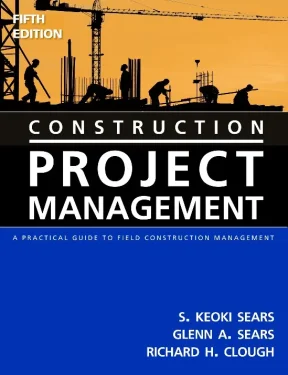
Tổng quan về giáo trình
Construction Project Management: A Practical Guide to Field Construction Management (Tái bản lần thứ 5, 2008) của các tác giả S. Keoki Sears, Glenn A. Sears và Richard H. Clough, do nhà xuất bản John Wiley & Sons phát hành, là tài liệu giảng dạy học thuật chuyên sâu về quản trị thi công tại hiện trường. Giáo trình được thiết kế phục vụ các học phần Quản lý Dự án Xây dựng, Tổ chức Thi công và Quản lý Thi công Công trình trong chương trình đào tạo bậc đại học và sau đại học thuộc khối ngành Kỹ thuật Xây dựng, Kỹ thuật Công trình Giao thông và Quản lý Xây dựng.
Mục tiêu đào tạo trọng tâm của giáo trình là trang bị cho người học hệ thống phương pháp luận hoàn chỉnh về lập kế hoạch, điều độ tiến độ, dự toán ngân sách, quản lý nguồn lực và kiểm soát chi phí trong giai đoạn thực hiện dự án ngoài hiện trường. Trọng tâm kỹ thuật của tài liệu xoay quanh việc ứng dụng Phương pháp Đường găng (Critical Path Method - CPM) kết hợp với Hệ thống Quản trị Giá trị Thu được (Earned Value Management System - EVMS) và Cấu trúc Phân chia Công việc (Work Breakdown Structure - WBS).
Cấu trúc tài liệu bao gồm 12 chương lý thuyết - ứng dụng và 7 phần phụ lục kỹ thuật chuyên đề. Điểm đặc thù trong phương pháp tiếp cận của giáo trình là việc sử dụng một dự án mẫu đơn lẻ (Example Project) xuyên suốt tất cả các chương: công trình cầu đường bộ (Highway Bridge) thuộc tổ hợp công trình đập đất và hồ chứa. Cách tiếp cận này loại bỏ tính rời rạc giữa các phân môn, cho phép người học theo dõi trực tiếp chuỗi vận hành dữ liệu từ bước bóc tách khối lượng, lập dự toán chi tiết, mô hình hóa sơ đồ mạng tiến độ đến hạch toán chi phí và điều hòa dòng tiền thực tế dưới góc nhìn của nhà thầu chính (Prime Contractor).
Nội dung kiến thức cốt lõi
Các chương và chủ đề chính
Nội dung giáo trình được phát triển theo logic tuần tự của quy trình quản lý dự án thi công, bao gồm các cụm chủ đề trọng điểm:
- Chương 1 (Construction Practices) & Chương 2 (Management System): Khái quát thực tiễn ngành công nghiệp xây dựng, các bên tham gia (Chủ đầu tư, Tư vấn Thiết kế Architect-Engineer, Nhà thầu chính, Nhà thầu phụ), các phương thức giao thầu và loại hình hợp đồng (Design-Bid-Construct, Design-Construct/Turnkey, BOT, Construction Management, Hợp đồng trọn gói Fixed-Sum, Hợp đồng đơn giá Unit-Price, Hợp đồng chi phí cộng phí Cost-Plus-Fee, Thi công tự thực hiện Work-by-Force Account). Chương 2 thiết lập nguyên lý quản lý theo ngoại lệ (Management-by-Exception), 12 giá trị thông tin kiểm soát thời gian của sơ đồ CPM và cấu trúc quản lý 5 yếu tố nguồn lực (5 Ms: Men, Machines, Materials, Methods, Money).
- Chương 3 (Project Cost Estimating): Phân loại và quy trình thực hiện các phương pháp dự toán sơ bộ giai đoạn thiết kế (Cost per Function, Index Number, Unit Area Cost, Unit Volume Cost, Panel Unit Cost, Parameter Cost, Partial Takeoff) và quy trình lập dự toán chi tiết của nhà thầu dựa trên khảo sát khối lượng (Quantity Survey), mã hóa hạng mục chi phí (Cost Codes) và định mức năng suất thiết bị, nhân công.
- Chương 4 (Project Planning) & Chương 5 (Project Scheduling): Kỹ thuật phân rã dự án thành các công tác thành phần (activities), mô hình hóa logic thi công bằng sơ đồ mạng quan hệ trước (Precedence Diagramming Method - PDM), tính toán các thông số thời gian bắt đầu/kết thúc sớm, bắt đầu/kết thúc trễ, độ dự trữ thời gian (float) và xác định đường găng (Critical Path), các mốc tiến độ chính (milestones).
- Chương 6 (Production Planning): Quy hoạch mặt bằng thi công hiện trường (site layout), lập phương án bố trí nhà tạm, xưởng gia công cốp pha, bãi tập kết vật liệu (laydown and staging area), phương án an toàn lao động, phòng cháy chữa cháy và trạm sơ cứu.
- Chương 7 (Project Time Acceleration): Phương pháp luận và quy trình tính toán rút ngắn thời gian thi công dự án (crashing/acceleration) dựa trên phân tích tương quan chi phí - thời gian trực tiếp của từng công tác găng.
- Chương 8 (Resource Management) & Chương 9 (Project Time Management): Kỹ thuật điều hòa tài nguyên (Resource leveling), cân bằng biểu đồ nhân lực và thiết bị; hệ thống thu thập dữ liệu hiện trường định kỳ để kiểm soát và hiệu chỉnh tiến độ thi công.
- Chương 10 (Project Cost System) & Chương 11 (Project Financial Management): Thiết lập hệ thống kế toán chi phí công trường (Cost Accounting) dựa trên mã công việc chuẩn hóa; vận hành mô hình EVMS; quản lý dòng tiền (Cash Flow), lập hồ sơ thanh toán định kỳ (Monthly pay requests) và quản lý phát sinh hợp đồng.
- Chương 12 (Scheduling Applications) cùng hệ thống Phụ lục (Appendices A-G): Cung cấp hồ sơ chi tiết bảng tổng hợp giá dự thầu theo đơn vị đo lường Mỹ (Appendix A) và hệ đơn vị SI (Appendix B), sơ đồ mũi tên Arrow Notation (Appendix D), quy trình PERT (Appendix E), phân tích sai số dự toán (Appendix F) và các bài tập tình huống thực tế (Appendix G).
Kiến thức nền tảng được xây dựng
Giáo trình cung cấp nền tảng toán học và quy trình kỹ thuật cho các nội dung:
- Lý thuyết Sơ đồ mạng và Phương pháp Đường găng (CPM): Cấu trúc mạng PDM (nút công tác, mũi tên chỉ mối quan hệ logic) và sơ đồ mạng ADM (Arrow Diagramming Method), quy tắc truyền xuôi (Forward Pass) và truyền ngược (Backward Pass).
- Lý thuyết Dự toán và Kế toán Chi phí Xây dựng: Nguyên lý xác định định mức năng suất lao động (labor productivity) và định mức ca máy; sự khác biệt giữa hệ thống kế toán tài chính doanh nghiệp (Financial Accounting) và hệ thống kế toán chi phí dự án (Cost Accounting).
- Hệ thống Quản lý Giá trị Thu được (EVMS): Cơ chế đối soát đồng thời giữa chi phí thực tế phát sinh, chi phí theo kế hoạch và giá trị khối lượng công việc đã hoàn thành.
Kỹ năng phát triển
Người học hoàn thiện các nhóm năng lực kỹ thuật và phân tích cụ thể:
- Kỹ năng bóc tách và phân tích khối lượng: Triển khai bảng bóc tách chi tiết (Quantity Takeoff Sheet) và bảng tổng hợp dự toán (Bid-Item Summary Sheets) theo hệ thống mã số chi phí (Cost Code System).
- Kỹ năng lập tiến độ và phân bổ nguồn lực: Chuyển đổi bản vẽ thiết kế thi công thành mạng công tác logic, tính toán lịch trình dương lịch, cân đối nhu cầu máy móc thiết bị thi công và nhân lực nhằm tránh xung đột mặt bằng.
- Kỹ năng kiểm soát chi phí hiện trường: Đọc hiểu, phân tích các báo cáo ngoại lệ (Exception Reports), phát hiện nguyên nhân vượt ngân sách và lập dự báo chi phí hoàn thành công trình (Forecast at Completion).
- Kỹ năng quản trị hợp đồng và tài chính: Lập hồ sơ yêu cầu thanh toán giai đoạn, kiểm soát các điều khoản trượt giá, bảo lãnh và giải quyết thủ tục thay đổi thiết kế (Change Orders).
Phương pháp giảng dạy và học tập
Giáo trình được biên soạn dựa trên phương pháp sư phạm tiếp cận hệ thống kết hợp học tập qua dự án (Project-Based Learning). Thay vì sử dụng các ví dụ rời rạc cho từng chương, tài liệu xây dựng một dự án kỹ thuật đồng nhất: công trình Cầu đường bộ đơn nhịp dầm bản thép - bê tông liên hợp (Deck-girder composite steel-concrete bridge) vượt qua một khe núi, có thời gian thi công 10 tuần với 70 công tác riêng biệt.
Cấu trúc công trình mẫu bao gồm:
- Phần móng và mố: Mố bê tông cốt thép đặc (breast wall và 2 wing walls), đặt trên hệ móng khối lớn đỡ bởi 28 cọc thép chữ H (12x54, dài 40 ft).
- Phần kết cấu nhịp: Mặt cầu bê tông cốt thép dày 10 inch, tựa trên 7 dầm thép định hình W36x150; chiều dài nhịp 60 ft; có hệ thống gối cầu giãn nở và cố định, lan can thép tiêu chuẩn.
       Mặt cầu BTCT dày 10" (254 mm) trên 7 dầm thép W36x150
===================================================================
   |       |          |          |          |          |       |
  (Gối)                                                      (Gối)
 [Mố BTCT]                                                 [Mố BTCT]
 [Bệ móng]                                                 [Bệ móng]
 | | | | | (28 cọc thép H 12x54)                           | | | | |
Hệ thống bài tập và thực hành trong giáo trình được chia thành hai cấp độ:
- Tính toán thủ công (Manual Methods): Yêu cầu người học thực hiện từng bước tính toán thông số mạng công tác, lập bảng tổng hợp đơn giá nhân công - máy thi công (Summary Sheets) và bảng cân bằng tài nguyên nhằm hiểu rõ thuật toán xử lý dữ liệu.
- Ứng dụng phần mềm tự động hóa: Hướng dẫn nguyên lý nhập dữ liệu, phân loại mã công việc WBS và xuất báo cáo quản lý trên các công cụ quản lý dự án kỹ thuật số.
Phương pháp đánh giá học tập dựa trên khả năng giải quyết các tình huống quản lý cụ thể: đánh giá ảnh hưởng của việc chậm giao hàng vật tư, tính toán chi phí gia tăng khi tăng ca hoặc bổ sung thiết bị để bù tiến độ, và lập báo cáo phân tích phương sai chi phí tại các mốc kiểm tra định kỳ. Đối với tự học, tài liệu cung cấp đầy đủ thông số đầu vào từ bản vẽ hình học, bảng khối lượng đến định mức đơn giá tại các phụ lục để người học tự kiểm tra kết quả tính toán.
Điểm nổi bật và cập nhật
Phiên bản thứ 5 ghi nhận các cập nhật học thuật và thực tiễn kỹ thuật:
- Tích hợp khung phương pháp EVMS và WBS: Chuẩn hóa cấu trúc phân chia công việc (WBS) và hệ thống chỉ số phân tích giá trị thu được (EVMS) vào toàn bộ quy trình kiểm soát thời gian và chi phí.
- Cập nhật dữ liệu thị trường và định mức thi công: Toàn bộ hệ thống đơn giá nhân công, vật tư, máy thi công và bảng dự toán mẫu cho công trình cầu đường bộ được làm mới hoàn toàn theo mặt bằng giá thực tế tại thời điểm tái bản.
- Bổ sung chuyên đề Kế hoạch Sản xuất (Chương 6): Cung cấp các chỉ dẫn chuyên sâu về tổ chức mặt bằng hiện trường, bao gồm bản vẽ bố trí cụ thể các phân khu chức năng (nhà điều hành, xưởng cốt pha, bãi trung chuyển vật tư, thiết bị an toàn và phòng chống cháy nổ).
- Bổ sung hệ đơn vị đo lường quốc tế (SI Units): Phụ lục B cung cấp toàn bộ bảng bóc tách khối lượng và đơn giá dự thầu của công trình mẫu bằng hệ đơn vị mét (SI), mở rộng phạm vi áp dụng cho các chương trình đào tạo kỹ thuật ngoài khu vực Bắc Mỹ.
- Thiết kế định dạng trang gấp (Tip-ins): Sử dụng các trang in khổ rộng đặc biệt được chèn vào các vị trí cố định để thể hiện toàn vẹn các sơ đồ mạng CPM lớn và biểu đồ tiến độ tổng thể mà không bị chia cắt bố cục.
- Cập nhật thuật ngữ và cơ cấu lao động ngành: Ghi nhận sự thay đổi về cơ cấu giới tính và vị trí chuyên môn của lực lượng lao động trong ngành công nghiệp xây dựng hiện đại.
Đối tượng sử dụng giáo trình
Giáo trình được biên soạn phục vụ các nhóm đối tượng cụ thể:
- Sinh viên đại học (Năm 3, Năm 4): Thuộc các chuyên ngành Kỹ thuật Xây dựng dân dụng và công nghiệp, Kỹ thuật Công trình giao thông, Kỹ thuật Hạ tầng đô thị, Kinh tế và Quản lý Xây dựng. Tài liệu cung cấp kiến thức nền tảng để thực hiện Đồ án Tổ chức Thi công và Đồ án Tốt nghiệp Kỹ sư Xây dựng.
- Học viên cao học: Học viên các chương trình Thạc sĩ Kỹ thuật Xây dựng, Thạc sĩ Quản lý Xây dựng sử dụng tài liệu để nghiên cứu chuyên sâu về các mô hình toán tối ưu hóa thời gian - chi phí, phân tích định lượng rủi ro tiến độ (quy trình PERT) và kiểm soát tài chính dự án.
- Giảng viên các trường đại học khối kỹ thuật: Sử dụng làm khung giáo trình chuẩn cho các học phần Quản trị dự án xây dựng, khai thác hệ thống dữ liệu số liệu của dự án Cầu đường bộ để thiết kế bài giảng, bài tập lớn và đề thi học phần.
- Kỹ sư công trường và Chỉ huy trưởng công trình: Tài liệu đóng vai trò tài liệu tham khảo kỹ thuật trong việc thiết lập hệ thống mã chi phí (Cost Coding), lập kế hoạch mặt bằng hiện trường và kiểm soát chi phí nhân công, máy móc trong thực tế thi công.
Yêu cầu kiến thức tiên quyết (Prerequisites) đối với người học bao gồm: Vẽ kỹ thuật xây dựng và đọc bản vẽ kết cấu, Vật liệu xây dựng, Kỹ thuật thi công cơ bản (bê tông, cốt thép, kết cấu thép, đất và móng), Dự toán công trình cơ sở.
Câu hỏi thường gặp
1. Giáo trình này tập trung vào loại hình xây dựng nào?
Giáo trình sử dụng một công trình kỹ thuật hạ tầng (Cầu đường bộ kết cấu thép - bê tông) làm mô hình mẫu xuyên suốt, kết hợp với các cấu phần của dự án đập đất, kênh dẫn dòng và tuyến ống ngầm. Tuy nhiên, các nguyên lý và quy trình CPM, WBS, EVMS được trình bày có tính phổ quát và áp dụng tương đương cho công trình xây dựng dân dụng, công nghiệp và hạ tầng kỹ thuật.
2. Người học cần chuẩn bị kiến thức nền tảng nào trước khi tiếp cận tài liệu?
Người học cần nắm vững kỹ năng đọc bản vẽ thiết kế kỹ thuật thi công, hiểu rõ trình tự các biện pháp thi công xây lắp cơ bản (đào đất, đóng cọc, gia công lắp dựng cốp pha, cốt thép, đổ bê tông, lắp dựng kết cấu thép) và có kiến thức cơ bản về đại số và xác suất thống kê.
3. Giáo trình sử dụng quy ước vẽ sơ đồ mạng tiến độ nào?
Tài liệu sử dụng sơ đồ mạng quan hệ trước (Precedence Notation / PDM) làm công cụ mô tả chính trong các chương lý thuyết và tính toán (Chương 4, 5, 7, 9). Đồng thời, phương pháp sơ đồ mạng mũi tên (Arrow Notation / ADM) được trình bày chi tiết tại Phụ lục D để người học có sự đối sánh học thuật đầy đủ.
4. Giáo trình hỗ trợ việc tính toán theo hệ đơn vị nào?
Giáo trình trình bày song song cả hai hệ đơn vị: Hệ đo lường thông dụng của Mỹ (US Customary Units - ft, in, cy, lb, ton) trong nội dung các chương chính và Phụ lục A; cùng Hệ đo lường quốc tế (SI Metric Units - m, mm, m3, kg) được lập bảng chi tiết tại Phụ lục B.
5. Khái niệm "Quản lý theo ngoại lệ" trong giáo trình được vận hành như thế nào?
Quản lý theo ngoại lệ (Management-by-Exception) là cơ chế kiểm soát trong đó hệ thống báo cáo hiện trường (về tiến độ thời gian và chi phí tiêu hao) được so sánh trực tiếp với kế hoạch cơ sở. Cán bộ quản lý không cần can thiệp vào các công tác đang diễn ra đúng kế hoạch mà tập trung nguồn lực xử lý các công tác có phát sinh sai lệch vượt ngưỡng cho phép (như công tác găng bị chậm, năng suất lao động giảm sút, chi phí ca máy vượt dự toán).
Kết luận
Giáo trình Construction Project Management: A Practical Guide to Field Construction Management (5th Edition) của S. Keoki Sears, Glenn A. Sears và Richard H. Clough cung cấp một hệ thống lý thuyết định lượng và thực hành hoàn chỉnh về quản trị dự án thi công tại hiện trường. Thông qua việc tích hợp phương pháp CPM, EVMS, WBS vào mô hình công trình mẫu cầu đường bộ 70 công tác, tài liệu xác lập lộ trình học tập logic từ công tác bóc tách định mức, lập tiến độ mạng, quy hoạch mặt bằng đến kế toán chi phí và quản trị tài chính. Hệ thống phụ lục từ A đến G cùng các bảng số liệu chi tiết là nguồn tư liệu học thuật phục vụ giảng dạy, học tập và tra cứu kỹ thuật trong lĩnh vực xây dựng.