Tổng quan về giáo trình
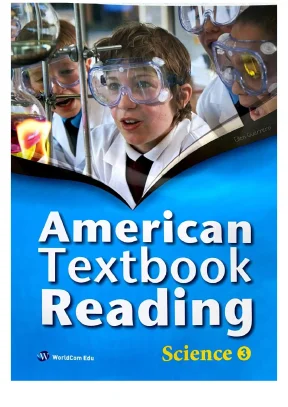
Giáo trình American Textbook Reading Science 3 do tác giả Ellen Guerrero biên soạn, được phát hành bởi Nhà xuất bản WorldCom Edu Publishing Inc. vào năm 2013 (Mã số tiêu chuẩn quốc tế ISBN: 978-89-6198-379-2). Đây là tài liệu giảng dạy khoa học tự nhiên bằng tiếng Anh, được thiết kế theo phương pháp tích hợp nội dung và ngôn ngữ (Content and Language Integrated Learning - CLIL). Trong chương trình đào tạo, tài liệu đóng vai trò là giáo trình cơ sở nhằm cung cấp kiến thức khoa học thường thức kết hợp rèn luyện hệ thống thuật ngữ học thuật cho người học ở giai đoạn chuyển tiếp từ cơ bản lên trung cấp.
Mục tiêu học tập (Learning Outcomes) của giáo trình bao gồm:
- Trang bị hệ thống thuật ngữ khoa học chuẩn xác trong các lĩnh vực Sinh học (Life Science), Khoa học Trái đất (Earth Science) và Vật lý học (Physical Science).
- Phát triển năng lực đọc hiểu văn bản học thuật thông qua việc nhận diện cấu trúc thông tin (so sánh - đối chiếu, nguyên nhân - kết quả, trình tự thời gian, ý chính và chi tiết).
- Rèn luyện kỹ năng phân tích và tư duy phản biện thông qua các câu hỏi tình huống thực tế gắn liền với hiện tượng khoa học.
- Nâng cao khả năng tiếp nhận và tái tạo ngôn ngữ thông qua hệ thống bài tập thực hành đa dạng kết hợp kỹ năng nghe phát âm chuẩn từ người bản ngữ.
Giáo trình được cấu trúc hóa một cách chặt chẽ theo từng đơn vị bài học (Lesson), kết hợp giữa tiếp cận trực quan (Visual Summary), mở rộng kiến thức chuyên sâu (Up Close), bài đọc cốt lõi (Reading Passage) và hệ thống bài tập đánh giá định lượng. Điểm đặc sắc của tài liệu nằm ở việc chuyển đổi các khái niệm khoa học trừu tượng thành các mô hình sơ đồ tư duy (Graphic Organizers), giúp người học hệ thống hóa dữ liệu một cách logic và khoa học.
Nội dung kiến thức cốt lõi
Các chương và chủ đề chính
Nội dung của giáo trình được phân bổ thành ba phần kiến thức lớn với chuỗi bài học nối tiếp nhau theo trật tự logic:
-
Phần 1: Khoa học Sự sống (Life Science)
- Lesson 01 - Living and Nonliving Things (Vật sống và Vật không sống): Phân định các tiêu chí đặc trưng của sự sống bao gồm hô hấp (breathe, oxygen), sinh trưởng (grow), biến đổi (change), sinh sản (reproduce) và tử vong (die), đối lập với các đặc tính của vật vô sinh như đất đá (rocks).
- Lesson 02 - Plant Parts (Các bộ phận của thực vật): Khảo sát chức năng sinh học của rễ (roots), thân (stems), lá (leaves), cánh hoa (petals) trong việc thu hút côn trùng (attract insects), gai (thorns) để tự vệ và tua cuốn (tendrils) của dây leo (vines) để bám giữ và lan rộng (spread).
- Lesson 03 - Growth and Change (Sinh trưởng và Biến đổi): Trình bày vòng đời sinh học (life cycles), tiến trình nảy mầm (germinate) của hạt giống đến giai đoạn trưởng thành (mature/adult), phân biệt hình thức sinh con ở động vật có vú (mammals give birth) và biến thái hoàn toàn ở lưỡng cư từ nòng nọc (tadpole) phát triển thành ếch.
- Lesson 04 - Animals with and without Backbones (Động vật có xương sống và không xương sống): Phân loại động vật có xương sống (mammals, reptiles, amphibians, birds, fish) và động vật không xương sống có lớp vỏ bảo vệ (hard covering/shell) như côn trùng (insects), cua (crabs); khảo sát các trường hợp thích nghi đặc biệt như sóc bay (flying squirrel) hay rùa (turtles).
- Lesson 05 - Plant Adaptations (Sự thích nghi của thực vật): Cơ chế thích nghi của thực vật theo sinh cảnh: thực vật đài nguyên (tundra) có lông tơ (hairy) mọc sát mặt đất; thực vật thảo nguyên (prairie) có lá hẹp để hạn chế thoát hơi nước; cây lá rộng (maple) rụng lá vào mùa thu và cây lá kim (pine) giữ nước trong điều kiện đóng băng (freeze).
-
Phần 2: Khoa học Trái đất (Earth Science)
- Lesson 06 - Soil (Thổ nhưỡng): Khái niệm đất là hỗn hợp (mixture) của đá phong hóa (weathered rock), khoáng chất (minerals), mùn hữu cơ (humus), không khí và nước; cấu trúc phân tầng đất gồm tầng mặt (topsoil), tầng tích tụ (subsoil) và tầng đá mẹ (bedrock); phân loại đất sét (clay), đất mùn (humus), cát (sand), phù sa (silt).
- Lesson 07 - Fossils (Hóa thạch): Quá trình hình thành hóa thạch từ xác sinh vật cổ đại (dinosaurs) bị chôn vùi (bury), phần mềm phân hủy (rot away), phần cứng (xương, răng, vỏ) hoặc dấu vết (prints) khoáng hóa thành đá qua hàng triệu năm.
- Lesson 08 - Different Types of Natural Resources (Các loại tài nguyên thiên nhiên): Phân biệt tài nguyên có thể tái tạo/thay thế được (replaceable resources: gỗ, nước, gió, mặt trời) và tài nguyên không thể tái tạo (non-replaceable: than đá - coal, quặng - ore); yêu cầu giảm thiểu tiêu thụ (reduce) và bảo tồn (conserve).
- Lesson 09 - Parts of Weather (Các yếu tố thời tiết): Các thành tố khí tượng gồm lượng giáng thủy (precipitation: mưa, mưa đá - hail, tuyết), nhiệt độ (temperature) và gió; nguyên lý vận hành của các thiết bị đo lường khí tượng như vũ kế (rain gauge), nhiệt kế (thermometer), phong hướng kế (weather vane) và máy đo tốc độ gió (wind gauge).
-
Phần 3: Khoa học Vật lý (Physical Science)
- Bao gồm các chủ đề về mô tả vật chất (Lesson 11: Describing Matter), sự biến đổi trạng thái vật chất (Lesson 12: Changing Matter), từ tính và nam châm (Lesson 13: Exploring Magnets), vị trí và chuyển động (Lesson 14: Position and Motion), và sóng âm thanh (Lesson 15: Sound Waves).
Kiến thức nền tảng được xây dựng
Giáo trình thiết lập các khối kiến thức nền tảng mang tính chuẩn mực:
- Nguyên lý phân loại sinh học và thích nghi tiến hóa: Xác định cấu trúc hình thái sinh vật tương ứng với chức năng sinh tồn và môi trường sống (tundra, prairie, woodland, desert).
- Quy luật tuần hoàn và chu trình tự nhiên: Chu trình biến đổi trạng thái của vòng đời sinh vật (Life cycles), chu trình phong hóa và hình thành thổ nhưỡng, tiến trình thạch hóa sinh vật qua thang thời gian địa chất.
- Nguyên lý bảo toàn và quản lý tài nguyên: Đánh giá giới hạn trữ lượng của tài nguyên khoáng sản, thiết lập nền tảng nhận thức về phát triển bền vững và năng lượng thay thế (Alternative energy resources).
Kỹ năng phát triển
- Kỹ năng phân tích học thuật: Nhận diện bản chất định nghĩa khoa học thông qua thao tác đối chiếu khái niệm (Definition Matching) và kiểm chứng tính đúng/sai (True/False verification).
- Kỹ năng xử lý dữ liệu văn bản: Trích xuất dữ liệu cốt lõi để hoàn thiện biểu đồ tổ chức thông tin (Graphic Organizers) theo các mô hình tư duy: So sánh - Đối chiếu (Compare and Contrast), Nguyên nhân - Kết quả (Cause and Effect), Diễn tiến tuần tự (Sequence), Ý chính và Chi tiết (Main Idea and Details).
- Kỹ năng ngôn ngữ ứng dụng: Khả năng chuyển dịch thuật ngữ vào các ngữ cảnh mới (Vocabulary Transfer), nâng cao độ chính xác về phát âm và chính tả thông qua hoạt động nghe - điền khuyết (Listen & Write).
Phương pháp giảng dạy và học tập
Giáo trình triển khai mô hình sư phạm đa bước (Multi-stage Pedagogical Framework), tạo điều kiện cho người học tiếp cận văn bản khoa học một cách có hệ thống:
Tiến trình bài học chuẩn hóa
- Khởi động và kích hoạt tri thức nền (Title & Visual Summary): Sử dụng hình ảnh trực quan kết hợp từ vựng trung tâm để giới thiệu khái niệm chính của bài học, hỗ trợ liên tưởng từ vựng trong ngữ cảnh cụ thể.
- Cung cấp thuật ngữ và mở rộng (Key Vocabulary & Up Close): Trình bày định nghĩa tường minh của các từ vựng mới, đi kèm phần Up Close mở rộng kiến thức chuyên sâu hoặc cung cấp các ví dụ giải phẫu sinh học/cấu trúc địa chất chi tiết.
- Thực hành củng cố sơ cấp (Review 1 & 2 / Exercises): Kiểm tra khả năng nhận diện từ vựng qua hình ảnh, điền chữ cái đầu, nối định nghĩa và xác định câu đúng/sai (True/False) nhằm bảo đảm người học nắm vững nghĩa cơ bản trước khi đọc văn bản chính.
- Đọc hiểu chuyên sâu và cấu trúc hóa thông tin (Reading Passage & Reading Skill): Văn bản đọc tích hợp toàn bộ hệ thống từ vựng mục tiêu. Người học thực hiện việc điền khuyết vào các sơ đồ phân loại, bảng so sánh hoặc lưu đồ tuần tự để hệ thống hóa kiến thức bài đọc.
- Đánh giá năng lực hiểu và tư duy mở rộng (Comprehension & Critical Thinking): Kiểm tra khả năng tái hiện thông tin trực tiếp (Literal Comprehension) thông qua câu hỏi trắc nghiệm, kết hợp các câu hỏi mở (Critical Thinking) yêu cầu người học giải thích nguyên nhân hoặc liên hệ quy luật thực tế.
- Ứng dụng ngôn ngữ và kỹ năng nghe (Vocabulary 2 & Listen and Write): Đặt từ vựng vào ngữ cảnh câu hoàn toàn mới để đo lường khả năng chuyển giao kiến thức, kết hợp bài luyện nghe qua giọng đọc bản ngữ nhằm hoàn thiện năng lực ngữ âm.
Điểm nổi bật và tính thực tiễn
- Mô hình hóa cấu trúc văn bản học thuật: Khác với các tài liệu học tiếng Anh thông thường chỉ tập trung vào ngữ pháp, giáo trình này áp dụng khung cấu trúc văn bản khoa học chuẩn của Hoa Kỳ. Mỗi bài đọc đều gắn liền với một công cụ tư duy cụ thể (như biểu đồ quan hệ nguyên nhân - kết quả trong bài Plant Parts, biểu đồ so sánh trong bài Animals with and without Backbones).
- Tính chính xác và trực quan của dữ liệu khoa học: Các thông tin học thuật được lượng hóa và mô tả chính xác (ví dụ: côn trùng có 6 chân, cấu trúc 3 tầng của đất, quá trình khoáng hóa xương răng thành đá qua hàng triệu năm).
- Gắn kết thực tiễn và giáo dục ý thức môi trường: Giáo trình tích hợp các vấn đề mang tính thời sự như việc cạn kiệt tài nguyên hóa thạch (than đá, quặng sắt), yêu cầu tiết kiệm nước sinh hoạt và định hướng sử dụng các nguồn năng lượng thay thế như năng lượng gió, năng lượng mặt trời và thủy điện.
Đối tượng sử dụng giáo trình
| Nhóm đối tượng |
Mục đích và phương thức khai thác |
Yêu cầu tiên quyết (Prerequisites) |
| Sinh viên Sư phạm Tiếng Anh / Giáo dục Tiểu học |
Sử dụng làm tài liệu tham khảo để nghiên cứu phương pháp giảng dạy tiếng Anh qua môn học (CLIL) và thiết kế bài giảng khoa học song ngữ. |
Năng lực tiếng Anh bậc 3 (B1 theo Khung CEFR) trở lên; kiến thức sư phạm cơ bản. |
| Sinh viên chuyên ngành Khoa học Tự nhiên |
Bổ trợ kỹ năng đọc hiểu văn bản chuyên ngành và tích lũy hệ thống thuật ngữ khoa học nền tảng bằng tiếng Anh. |
Trình độ tiếng Anh cơ bản (tương đương CEFR A2-B1). |
| Giảng viên và giáo viên song ngữ |
Khai thác hệ thống bài đọc, bài tập trắc nghiệm và sơ đồ tư duy để xây dựng giáo án, đề kiểm tra đánh giá định kỳ. |
Năng lực chuyên môn giảng dạy Khoa học hoặc Tiếng Anh chuyên ngành. |
| Người tự học |
Sử dụng theo lộ trình bài bản từ từ vựng, bài đọc đến file nghe để phát triển đồng thời kiến thức khoa học và năng lực ngôn ngữ. |
Khả năng tự tra cứu và sử dụng tài liệu học tập đa phương tiện. |
Câu hỏi thường gặp
1. Giáo trình này phù hợp với đối tượng người học nào?
Giáo trình phù hợp với sinh viên các ngành Sư phạm tiếng Anh, Sư phạm Khoa học Tự nhiên, sinh viên theo học các chương trình liên kết quốc tế cần củng cố tiếng Anh học thuật, cũng như người học cần làm quen với hệ thống thuật ngữ khoa học bằng tiếng Anh.
2. Người học cần chuẩn bị kiến thức nền tảng gì trước khi tiếp cận giáo trình?
Người học cần có năng lực tiếng Anh ở mức độ cơ bản (tương đương A2 hoặc đầu B1) để có thể đọc hiểu các cấu trúc câu đơn, câu ghép và tiếp thu hệ thống từ vựng mới được giải nghĩa trực tiếp trong tài liệu.
3. Điểm khác biệt của tài liệu so với các giáo trình tiếng Anh tổng quát là gì?
Tài liệu không phân chia bài học theo chủ điểm ngữ pháp truyền thống mà xây dựng bài học theo các chủ đề khoa học chuẩn mực (Life Science, Earth Science, Physical Science), tập trung phát triển kỹ năng đọc hiểu phân tích thông qua các sơ đồ tư duy học thuật.
4. Phương pháp tự học giáo trình như thế nào để đạt hiệu quả cao nhất?
Người học nên tuân thủ đúng trình tự bài học: học từ vựng và định nghĩa trước -> làm bài tập củng cố từ vựng -> đọc bài đọc chính và điền sơ đồ kỹ năng đọc -> làm bài tập trắc nghiệm và câu hỏi tư duy phản biện -> nghe file audio để luyện phát âm và hoàn thành bài tập nghe chép chính tả.
5. Giáo trình có tích hợp các tài liệu bổ trợ nào không?
Giáo trình tích hợp hệ thống hình ảnh minh họa thực tế (Visual Summary, Up Close), các dạng bài tập thực hành ngữ cảnh (Vocabulary 1 & 2), câu hỏi tư duy (Critical Thinking) và các bài tập luyện nghe (Listen & Write) tương ứng với từng bài học.
Kết luận
Giáo trình American Textbook Reading Science 3 của tác giả Ellen Guerrero là tài liệu học thuật kết hợp giữa khoa học tự nhiên và phương pháp giảng dạy ngôn ngữ chuyên ngành. Cấu trúc bài học rõ ràng, hệ thống thuật ngữ được định nghĩa chuẩn xác cùng các công cụ sơ đồ hóa thông tin giúp người học xây dựng nền tảng tri thức khoa học vững chắc và phát triển kỹ năng tư duy học thuật. Tài liệu là nguồn tham khảo hữu ích cho công tác đào tạo giáo viên dạy khoa học bằng tiếng Anh cũng như người học có nhu cầu nghiên cứu khoa học bằng ngôn ngữ quốc tế.