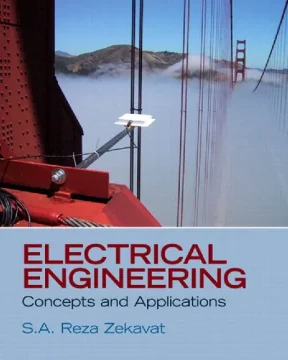
BÀI MÔ TẢ HỌC THUẬT: GIÁO TRÌNH "ELECTRICAL ENGINEERING: CONCEPTS AND APPLICATIONS"
Tổng quan về giáo trình
Giáo trình Electrical Engineering: Concepts and Applications do Giáo sư S. Reza Zekavat (Khoa Kỹ thuật Điện và Máy tính, Đại học Công nghệ Michigan – Michigan Technological University) biên soạn, được nhà xuất bản Pearson Higher Education ấn hành năm 2013 (ISBN-10: 0-13-253918-7, ISBN-13: 978-0-13-253918-0). Cuốn sách được thiết kế làm tài liệu giảng dạy cho học phần Nhập môn Kỹ thuật Điện (Introduction to Electrical Engineering) dành cho sinh viên các chuyên ngành kỹ thuật ngoài ngành điện (Non-EE Majors) như Kỹ thuật Cơ khí, Kỹ thuật Hóa học, Kỹ thuật Xây dựng, Kỹ thuật Môi trường và Kỹ thuật Y sinh.
Mục tiêu học tập của giáo trình tập trung vào:
- Xây dựng nền tảng lý thuyết mạch điện, điện tử học, logic số, điện từ học và máy điện.
- Hình thành năng lực mô hình hóa các hệ thống vật lý liên ngành (cơ học, thủy lực, nhiệt học, hóa học) sang mô hình mạch điện tương đương.
- Huấn luyện kỹ năng mô phỏng mạch điện bằng phần mềm chuyên dụng PSpice và MATLAB.
- Chuẩn bị kiến thức kỹ thuật điện phục vụ kỳ thi Kỹ sư Dự bị (Fundamentals of Engineering – FE Examination) và đáp ứng nhu cầu giao tiếp chuyên môn liên ngành trong môi trường công nghiệp.
Giáo trình được phát triển từ một dự án nghiên cứu cải cách chương trình đào tạo do Phân ban Giáo dục Kỹ thuật thuộc Quỹ Khoa học Quốc gia Hoa Kỳ (National Science Foundation – NSF) tài trợ. Nội dung giáo trình được cấu trúc dựa trên kết quả khảo sát diện rộng tại các trường đại học kỹ thuật trên toàn nước Mỹ, gồm 15 chương nội dung chính, 3 phụ lục toán học bổ trợ và phần nghiệm bài tập chọn lọc. Cách tiếp cận của giáo trình đi từ các tình huống kỹ thuật thực tế liên ngành đến việc chuẩn hóa các định luật mạch điện, phân tích tín hiệu, hệ thống công suất và kỹ thuật đo lường an toàn.
Nội dung kiến thức cốt lõi
Các chương và chủ đề chính
Giáo trình phân bổ kiến thức qua 15 chương theo tiến trình logic từ các định luật cơ bản đến các hệ thống ứng dụng chuyên sâu:
-
Chương 1 (Why Electrical Engineering?): Tổng quan về vai trò của kỹ thuật điện đối với kỹ sư không chuyên ngành điện. Nội dung giới thiệu ba tình huống kỹ thuật thực tế do các giảng viên thuộc các khoa chuyên ngành tại Đại học Công nghệ Michigan biên soạn:
- Tình huống 1 (Kỹ thuật Xây dựng): Hệ thống kiểm soát kết cấu chủ động (Active Structural Control) sử dụng bộ suy giảm chấn khối lượng tích cực (Active Mass Damper – AMD) điều khiển bằng máy tính tại tháp Applause Tower (Nhật Bản), dựa trên các nghiên cứu của Spencer & Sain (1997) và Battaini (2000).
- Tình huống 2 (Kỹ thuật Hóa học): Hệ thống điều khiển quá trình hóa học trong dây chuyền chưng cất ethanol, tích hợp thiết bị trao đổi nhiệt Dowtherm®, cảm biến cặp nhiệt điện (Thermocouple), bộ chuyển đổi tín hiệu A/D, D/A và van điều khiển khí nén (Pneumatic diaphragm control valve).
- Tình huống 3 (Kỹ thuật Cơ khí): Đánh giá hiệu năng nguyên mẫu xe địa hình (Off-road vehicle prototype) bằng việc đo ứng suất tháp giảm chấn qua cầu Wheatstone kết hợp cảm biến biến dạng (Strain gauge), cảm biến tải áp điện (Piezoelectric load cell) và mạch khuếch đại điện tích (Charge amplifier).
-
Chương 2, 3, 4 (Fundamentals of Electric Circuits, Resistive Circuits, Capacitance & Inductance): Xây dựng các khái niệm dòng điện ($i = \frac{dq}{dt}$), điện áp (sức điện động – EMF), điện trở, điện dung ($C$), điện cảm ($L$), nguồn độc lập và phụ thuộc. Trình bày hai định luật nền tảng: Định luật dòng điện Kirchhoff (KCL), Định luật điện áp Kirchhoff (KVL) và Định luật Ohm ($v = i \cdot R$). Cung cấp các phương pháp phân tích điện thế nút (Nodal analysis), dòng mắt lưới (Mesh analysis), mạch tương đương Thévenin/Norton và định lý truyền công suất cực đại (Maximum Power Transfer).
-
Chương 5 & 6 (Transient Analysis, Steady-State AC Analysis): Phân tích đáp ứng quá độ trong miền thời gian của mạch bậc một (RL, RC) và mạch bậc hai (RLC nối tiếp, song song); phân tích mạch xác lập xoay chiều hình sin bằng phương pháp biểu diễn số phức (Phasor), trở kháng ($Z$), tính toán công suất tác dụng, công suất biểu kiến và hiệu chỉnh hệ số công suất (Power factor correction).
-
Chương 7 (Frequency Analysis): Khảo sát đáp ứng tần số của bộ lọc bậc 1 và bậc 2 bao gồm: bộ lọc thông thấp (Low-Pass Filter), lọc thông cao (High-Pass Filter), lọc thông dải (Band-Pass Filter) và lọc chắn dải (Band-Stop Filter); hướng dẫn vẽ biểu đồ Bode và tính toán đáp ứng tần số bằng phần mềm MATLAB và PSpice.
-
Chương 8 & 10 (Electronic Circuits, Fundamentals of Logic Circuits): Cấu tạo chất bán dẫn loại P và loại N, nguyên lý hoạt động của Diode, mạch chỉnh lưu AC-DC; Transistor lưỡng cực (BJT) ứng dụng khuếch đại và khóa chuyển mạch; Transistor hiệu ứng trường (FET, NMOS, CMOS); Đại số Boolean, các cổng logic cơ bản (NOT, AND, OR, NAND, NOR, XOR, XNOR), định lý De Morgan và mạch logic tuần tự (bộ đếm – Counter).
-
Chương 9, 12, 13 (Power Systems, Principles of Electromechanics, Electric Machines): Hệ thống điện ba pha, biến đổi Sao – Tam giác ($\text{Star} - \Delta$), tính toán công suất ba pha và mô hình tương đương đường dây truyền tải; Định luật cảm ứng điện từ Faraday và định luật Lenz; Cấu tạo và nguyên lý của máy biến áp; Đặc tính vận hành, điều khiển tốc độ của động cơ điện một chiều (DC motors: kích từ độc lập, song song, nối tiếp, nam châm vĩnh cửu) và động cơ xoay chiều (động cơ cảm ứng ba pha, động cơ đồng bộ, động cơ bước, động cơ BLDC).
-
Chương 11, 14, 15 (Instrumentation, Measurements, Electrical Safety): Cấu tạo cảm biến LVDT (Linear Variable Differential Transformer), mạch cầu đo lường; Dụng cụ đo dùng điện kế Galvanometer (Ammeter, Voltmeter, Ohmmeter), máy phân tích phổ (Spectrum Analyzer), máy phát sóng (Function Generator); Các nguy cơ an toàn điện hạ tần, cao tần, hiện tượng hồ quang nổ (Arcs and explosions) và tiêu chuẩn an toàn theo Tiêu chuẩn Điện Quốc gia Hoa Kỳ (National Electrical Code – NEC).
Kiến thức nền tảng được xây dựng
- Lý thuyết cơ sở (Fundamental Theories): Định luật bảo toàn điện tích, lý thuyết trường điện từ của Maxwell thu gọn (Faraday, Lenz), mô hình nguyên tử Bohr về tương tác hạt mang điện, lý thuyết miền thời gian và miền tần số.
- Nguyên lý cốt lõi (Core Principles): Nguyên lý xếp chồng tuyến tính trong phân tích mạch điện, nguyên lý cân bằng năng lượng và truyền công suất cực đại, nguyên lý cảm ứng điện từ trong biến đổi cơ - điện, nguyên lý khuếch đại tín hiệu và đại số logic nhị phân.
- Khung mô hình hóa (Essential Frameworks): Phương pháp mô hình hóa tương đương các hệ cơ học, hóa học và thủy lực sang hệ mạch điện (điện trở biểu diễn ma sát ống dẫn, điện áp biểu diễn chênh lệch áp suất/thế năng hấp dẫn, tụ điện biểu diễn bình chứa tích năng lượng).
Kỹ năng phát triển
- Kỹ năng kỹ thuật (Technical Skills): Khả năng thiết lập sơ đồ nguyên lý mạch, cấu hình và thực thi các chế độ phân tích trên PSpice (Bias Point Analysis, Transient Analysis, AC Sweep) và lập trình tính toán đáp ứng tần số trên MATLAB.
- Kỹ năng phân tích (Analytical Skills): Thiết lập và giải hệ phương trình tuyến tính cho mạch nhiều nút/mắt lưới; phân tích quá độ mạch RLC bằng phương trình vi phân và phép biến đổi Laplace (Phụ lục B); giải mạch xoay chiều bằng số phức (Phụ lục C).
- Năng lực thực hành (Practical Competencies): Kỹ năng lựa chọn thiết bị đo (Ammeter, Voltmeter, Máy phân tích phổ), lựa chọn và ghép nối cảm biến (Strain gauge, Thermocouple, LVDT) với bộ biến đổi A/D; tính toán tổn thất và chọn động cơ điện phù hợp với tải công nghiệp; tuân thủ các quy định an toàn điện chống giật và chống cháy nổ.
Phương pháp giảng dạy và học tập
Tiếp cận sư phạm (Pedagogical Approach)
Giáo trình áp dụng phương pháp tiếp cận theo ngữ cảnh (Contextual Learning). Thay vì trình bày lý thuyết mạch thuần túy ngay từ đầu, sách mở đầu bằng các bài toán kỹ thuật từ các ngành Cơ khí, Xây dựng và Hóa học nhằm xác lập rõ mục đích học tập cho sinh viên không chuyên điện. Toàn bộ các định luật vật lý đều được minh họa thông qua các hệ thống kỹ thuật cụ thể.
Hệ thống bài tập và tình huống thực tế
Sách cung cấp hơn 1.100 ví dụ mẫu và bài tập cuối chương. Hệ thống bài tập được phân loại theo ba cấp độ rõ ràng:
- Cấp độ cơ bản (Basic): Luyện tập tính toán trực tiếp theo công thức định luật (KCL, KVL, Ohm).
- Cấp độ trung bình (Average): Phân tích mạch kết hợp nhiều nhánh, mạch quá độ hoặc mạch xoay chiều nhiều nguồn.
- Cấp độ nâng cao (Difficult): Giải quyết các bài toán thiết kế hệ thống, tối ưu hóa công suất và mạch lọc tín hiệu.
Các bài tập tình huống thực tế (Application Examples) được tích hợp trong thân chương, ví dụ: bài toán đo nhiệt độ phản ứng hóa học dùng cảm biến nhiệt điện trở (Thermistor), phân tích mạch điện quạt làm mát động cơ ô tô (Cooling Fan) có tính đến sức điện động ngược, hay mô hình hóa cơ chế truyền động của loa điện động (Loudspeaker).
Thực hành mô phỏng và hướng dẫn tự học
Giáo trình triển khai phương pháp giảng dạy PSpice phân tán (Distributed PSpice Approach). Hướng dẫn sử dụng cơ bản bắt đầu tại Chương 2 (vẽ mạch, phân tích điểm làm việc DC, phân tích miền thời gian) và được nâng cấp dần qua các Chương 3 đến Chương 13 (mô phỏng mạch xoay chiều, mạch lọc, diode, transistor, hệ thống logic số, máy biến áp và động cơ DC). Cách bố trí này tạo thành một phòng thí nghiệm ảo trên máy tính cá nhân (Embedded PC-based Lab).
Ở cuối mỗi chương, mục "What Did You Learn?" hệ thống hóa lại các khái niệm then chốt giúp người học tự rà soát lỗ hổng kiến thức. Giảng viên được cung cấp sổ tay hướng dẫn giải hoàn chỉnh (Complete Solutions Manual) và slide bài giảng PowerPoint chi tiết cho từng chuyên đề.
Điểm nổi bật và cập nhật
- Cơ sở dữ liệu phát triển từ nghiên cứu NSF: Giáo trình là sản phẩm của công trình nghiên cứu đa ngành tại Đại học Công nghệ Michigan với sự tham gia của 7 giảng viên từ các khoa kỹ thuật khác nhau, dựa trên số liệu khảo sát thực tế về nhu cầu đào tạo kỹ thuật điện trên toàn nước Mỹ.
- Mở rộng chuyên sâu về Hệ thống Năng lượng: Để giải quyết các yêu cầu thực tế của ngành công nghiệp liên quan đến biến đổi khí hậu và năng lượng sạch, giáo trình dành riêng 3 chương (Chương 9, 12, 13) để xử lý toàn diện về hệ thống điện ba pha, đường dây truyền tải, máy biến áp và các loại động cơ điện/máy phát điện.
- Tích hợp công cụ tính toán và mô phỏng hiện đại: Kết hợp song song việc sử dụng phần mềm mô phỏng công nghiệp PSpice (Cadence Design Systems) xuyên suốt 12 chương và phần mềm tính toán kỹ thuật MATLAB (The MathWorks) trong phân tích đáp ứng tần số (Chương 7).
- Chương chuyên biệt về An toàn điện (Chương 15): Cung cấp các phân tích kỹ thuật về nguy cơ giật điện do dòng điện tần số thấp/cao, tính toán dòng điện qua cơ thể người theo điện trở tiếp xúc, phân tích nguy cơ nổ hồ quang điện và viện dẫn các điều khoản của Tiêu chuẩn Điện Quốc gia Hoa Kỳ (National Electrical Code – NEC).
Đối tượng sử dụng giáo trình
| Nhóm đối tượng |
Phạm vi áp dụng trong giáo trình |
Điều kiện tiên quyết (Prerequisites) |
| Sinh viên Đại học (Năm 2 - Năm 3) |
Sinh viên các ngành: Cơ khí, Hóa học, Xây dựng, Môi trường, Y sinh học sử dụng làm giáo trình chính cho học phần Cơ sở Kỹ thuật Điện. |
- Vật lý đại cương (Phần Điện - Từ)
- Giải tích toán học (Vi phân, tích phân, ma trận, số phức) |
| Giảng viên Đại học |
Sử dụng làm khung bài giảng, lựa chọn bài tập phân cấp theo trình độ và sử dụng slide PowerPoint, bộ bài giải chuẩn đính kèm. |
- Chuyên môn Kỹ thuật Điện / Điện tử |
| Kỹ sư đang làm việc |
Tài liệu tham khảo để ôn luyện cho kỳ thi Chứng chỉ Kỹ sư Dự bị (FE Exam) hoặc chuẩn hóa kiến thức đo lường, ghép nối cảm biến trong nhà máy. |
- Bằng cử nhân/kỹ sư kỹ thuật |
| Học viên tự học |
Khai thác các bài toán thực hành PSpice/MATLAB và phần nghiệm chọn lọc (Selected Solutions) ở cuối sách để tự đánh giá. |
- Tự trang bị máy tính có cài PSpice và MATLAB |
Câu hỏi thường gặp (FAQ)
1. Giáo trình này được thiết kế dành riêng cho đối tượng nào?
Giáo trình được thiết kế chuyên biệt cho sinh viên và kỹ sư thuộc các chuyên ngành ngoài ngành điện (Non-EE Majors) như Kỹ thuật Cơ khí, Kỹ thuật Hóa học, Xây dựng, Môi trường và Y sinh, những người cần hiểu và ứng dụng kiến thức điện trong hệ thống kỹ thuật của ngành mình.
2. Người học cần chuẩn bị kiến thức nền tảng nào trước khi học?
Người học cần hoàn thành các học phần Vật lý đại cương (phần điện từ học) và Toán giải tích (bao gồm phương trình vi phân cơ bản, đại số tuyến tính để giải hệ phương trình mạch, và kiến thức về số phức). Các phụ lục A, B, C ở cuối sách cung cấp tóm tắt về giải hệ phương trình tuyến tính, biến đổi Laplace và số phức.
3. Giáo trình này có điểm gì khác biệt so với các sách lý thuyết mạch truyền thống?
Khác với các giáo trình thuần lý thuyết mạch, cuốn sách này tích hợp các bài toán kỹ thuật liên ngành thực tế (Chương 1), phân bổ việc học PSpice xuyên suốt các chương như một phòng thí nghiệm ảo, có nội dung chuyên sâu về máy điện (Chương 13), thiết bị đo lường cảm biến (Chương 11, 14) và dành riêng một chương cho An toàn điện theo chuẩn NEC (Chương 15).
4. Phương pháp tự học giáo trình này như thế nào để đạt hiệu quả cao?
Người học nên đọc kỹ các ví dụ ứng dụng kỹ thuật thực tế để nắm bản chất vật lý, giải các bài tập cuối chương từ mức cơ bản đến nâng cao, sau đó tiến hành mô phỏng lại mạch điện trên phần mềm PSpice theo các bước hướng dẫn trong từng chương để đối chiếu kết quả tính toán lý thuyết với kết quả mô phỏng.
5. Giáo trình có những tài liệu bổ trợ nào đi kèm?
Giáo trình cung cấp các tài liệu bổ trợ gồm: tập bài giảng trình chiếu PowerPoint cho các bài toán tình huống thực tế, phần đáp án bài tập chọn lọc (Selected Solutions) in ở cuối sách, và bộ lời giải chi tiết (Complete Solution Manual) cho toàn bộ 1.100 bài tập dành cho giảng viên sử dụng giáo trình.
Kết luận
Giáo trình Electrical Engineering: Concepts and Applications của Giáo sư S. Reza Zekavat cung cấp một hệ thống kiến thức toàn diện và thực tế về kỹ thuật điện cho khối ngành kỹ thuật liên ngành. Giá trị cốt lõi của tác phẩm nằm ở sự gắn kết giữa lý thuyết giải tích mạch điện với các ứng dụng công nghiệp thực tế và kỹ năng mô phỏng máy tính.
Lộ trình học tập đề xuất:
- Tiếp cận bản chất đại lượng và định luật bảo toàn (Chương 1–4).
- Nắm vững phương pháp phân tích quá độ và xác lập xoay chiều (Chương 5–7).
- Ứng dụng linh kiện bán dẫn, mạch logic và cảm biến đo lường (Chương 8, 10, 11, 14).
- Khảo sát hệ thống công suất, máy điện và quy chuẩn an toàn lao động (Chương 9, 12, 13, 15).
Nguồn tài nguyên đi kèm gồm phần mềm PSpice, MATLAB, hệ thống phụ lục toán học và ngân hàng bài tập phân cấp đóng vai trò hỗ trợ người học hoàn thành các chuẩn đầu ra của chương trình đào tạo kỹ thuật.