Tổng quan nghiên cứu
Dơi xám (Myotis grisescens) là loài động vật có vú nguy cấp được bảo vệ cấp liên bang tại Hoa Kỳ từ năm 1976 sau những đợt suy giảm nghiêm trọng do hoạt động quấy rầy hang động từ con người. Dù các nỗ lực bảo vệ hang trú đông đã giúp phục hồi một phần số lượng cá thể, sự bùng phát của hội chứng mũi trắng (White-nose syndrome do nấm Pseudogymnoascus destructans gây ra) từ năm 2006 đã cướp đi sinh mạng của khoảng 7 triệu cá thể dơi tại Bắc Mỹ, đe dọa trực tiếp đến sự tồn vong của loài này. Các kế hoạch phục hồi dơi xám luôn nhấn mạnh sự cần thiết phải xác định tập tính kiếm ăn và phạm vi hoạt động, tuy nhiên dữ liệu thực địa trước đây vô cùng hạn chế do giới hạn kỹ thuật của các thiết bị theo dõi mặt đất đối với một loài di chuyển nhanh và rộng.
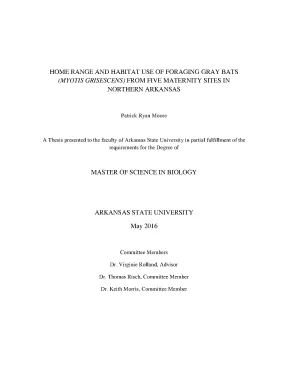
Nghiên cứu thạc sĩ của Patrick Ryan Moore thực hiện tại Đại học Bang Arkansas nhằm giải quyết triệt để khoảng trống tri thức này bằng cách ứng dụng công nghệ định vị vô tuyến trên không (aerial radio-telemetry). Mục tiêu trọng tâm là đánh giá tính khả thi của kỹ thuật bay định vị tầm xa, xác định quy mô phạm vi sinh sống (home range), vùng kiếm ăn lõi (core-foraging area) và phân tích sự lựa chọn sinh cảnh của các cá thể dơi xám cái sinh sản. Nghiên cứu được triển khai tại 5 địa điểm hang dơi mẹ thuộc khu vực cao nguyên Ozark và Springfield ở miền bắc bang Arkansas trong khung thời gian từ ngày 15 tháng 6 đến ngày 15 tháng 7 của hai năm 2014 và 2015. Kết quả thu được từ 112 cá thể theo dõi cung cấp các chỉ số định lượng vô giá, chứng minh phạm vi sử dụng không gian cá thể có thể mở rộng tới hơn 126.000 ha, đặt nền móng chuyển dịch tư duy bảo tồn từ phạm vi cửa hang sang quy mô toàn bộ cảnh quan lưu vực sông ngòi.
Cơ sở lý thuyết và phương pháp nghiên cứu
Khung lý thuyết áp dụng
Nghiên cứu được xây dựng trên nền tảng của Lý thuyết kiếm ăn tại vị trí trung tâm (Central Place Foraging Theory) do Orians và Pearson đề xuất năm 1979. Theo lý thuyết này, dơi mẹ đang trong giai đoạn sinh sản buộc phải rời tổ đi săn và quay trở lại hang mỗi đêm để nuôi con, tạo ra sự đánh đổi giữa năng lượng tiêu hao cho quãng đường bay và lượng thức ăn thu nhận được. Đồng thời, nghiên cứu vận dụng Mô hình năng lượng sinh sản động vật có vú (Mammalian Reproductive Energetics) của Bronson năm 1985 nhằm lý giải vì sao giai đoạn tiết sữa đòi hỏi mức năng lượng cao nhất trong vòng đời, thôi thúc dơi mở rộng không gian săn mồi.
Về mặt sinh thái không gian, đề tài áp dụng Khung lý thuyết phân cấp lựa chọn sinh cảnh của Johnson năm 1980, tập trung vào hai cấp độ chính:
- Lựa chọn bậc 2 (Second-order selection): Tỷ lệ các loại sinh cảnh trong phạm vi hoạt động của từng cá thể so với toàn bộ cảnh quan có sẵn quanh quần thể hang.
- Lựa chọn bậc 3 (Third-order selection): Tỷ lệ các điểm vị trí kiếm ăn thực tế của cá thể so với các loại sinh cảnh hiện diện trong phạm vi hoạt động của chính cá thể đó.
Các khái niệm then chốt bao gồm: Phạm vi hoạt động 95% hạt nhân cố định (95% Fixed Kernel Home Range - 95% FK), Vùng kiếm ăn lõi 50% hạt nhân cố định (50% FK Core-foraging Area), Đa giác lồi tối thiểu (Minimum Convex Polygon - 95% MCP) và Phân tích thành phần sử dụng sinh cảnh (Compositional Analysis).
Phương pháp nghiên cứu
Nghiên cứu sử dụng phương pháp bẫy đàn dạng đàn hạc (G6 Forest Strainer Harp Trap với diện tích lưới 6,0 m2) đặt tại cửa 5 hang dơi mẹ (Newark, Bone, Logan, Cave Springs, Crystal) vào thời điểm hoàng hôn từ 20h15 đến 20h30. Tổng cộng 220 cá thể dơi xám đã được đeo vòng nhận diện kim loại tiền tố ARK, trong đó 112 dơi cái trưởng thành sinh sản (50 cá thể đang nuôi con năm 2014 và 62 cá thể sau thời kỳ nuôi con năm 2015) được gắn máy phát vô tuyến siêu nhẹ Holohil LB-2X trọng lượng 0,31 g bằng keo phẫu thuật Perma-Type, đảm bảo không vượt quá ngưỡng 5% trọng lượng cơ thể theo tiêu chuẩn của Hiệp hội các nhà Nghiên cứu Động vật có vú Hoa Kỳ.
Dữ liệu vị trí được thu thập bằng máy bay cánh bằng Cessna 182 Skylane thuộc Đội Tuần tra Hàng không Dân sự Arkansas bay ở độ cao ổn định 786 m. Máy bay trang bị 2 ăng-ten ATS Yagi 4 phần tử gắn dưới hai cánh, kết nối với máy thu quét ATS R4500 và thiết bị định vị vệ tinh Trimble Outdoors Navigator. Tổng thời gian bay thực địa đạt 120,6 giờ với quãng đường bay khảo sát 19.093 km trong 37 ngày bay. Sau khi hiệu chuẩn sai số (sai số trung bình 400 m, xa nhất 1.200 m), tập dữ liệu lọc ra 1.293 điểm vị trí độc lập thời gian (cách nhau tối thiểu 5 phút tương ứng với vận tốc bay 38 km/h của dơi) cho phân tích cấp hang và 42 cá thể có từ 15 điểm vị trí trở lên (tổng 865 vị trí) cho phân tích cá thể.
Lý do lựa chọn phương pháp ước tính mật độ hạt nhân cố định (Fixed Kernel với thuật toán làm mịn Least-Squares Cross Validation - LSCV) trong phần mềm R (gói adehabitatHR) là khả năng phản ánh chính xác mật độ xác suất sử dụng không gian phi tham số, loại bỏ sự phóng đại quá mức của phương pháp MCP truyền thống. Phân tích thành phần lựa chọn sinh cảnh (gói adehabitatHS) kết hợp cùng bản đồ phân loại đất NLCD 2006 trong ArcGIS cho phép so sánh thống kê chính xác giữa độ sẵn có và mức độ sử dụng thực tế của 7 nhóm sinh cảnh cảnh quan.
Kết quả nghiên cứu và thảo luận
Những phát hiện chính
Thứ nhất, nghiên cứu chứng minh dơi xám cái sở hữu không gian hoạt động vô cùng rộng lớn. Trung bình phạm vi hoạt động cá thể (95% FK) đạt 15.935 ha (khoảng 159,4 km2) và diện tích vùng kiếm ăn lõi (50% FK) đạt 3.641 ha (khoảng 36,4 km2). Diện tích này có sự biến thiên cực kỳ lớn giữa các cá thể, dao động từ 600 ha đến 126.387 ha đối với 95% FK, và từ 233 ha đến 33.367 ha đối with 50% FK.
Thứ hai, trạng thái sinh sản tạo ra sự khác biệt có ý nghĩa thống kê về quy mô không gian kiếm ăn (chi-square = 11,001, p < 0,01). Năm 2014, các cá thể dơi mẹ đang nuôi con (lactating) có phạm vi 95% FK trung bình lên tới 36.223 ha và vùng lõi 50% FK đạt 8.320 ha. Ngược lại, năm 2015, các cá thể dơi sau giai đoạn nuôi con (post-lactating) có phạm vi 95% FK chỉ đạt 5.791 ha và vùng lõi đạt 1.302 ha, tương đương mức thu hẹp hơn 6 lần (giảm khoảng 84% diện tích).
Thứ ba, phân tích thành phần bậc 3 khẳng định Mặt nước mở (Open Water) là loại sinh cảnh được lựa chọn hàng đầu (Hạng 1) tại toàn bộ 5 địa điểm nghiên cứu với mức ý nghĩa p < 0,05. Dơi tận dụng tối đa các hệ thống sông lớn như sông White, sông Black, sông Illinois, các dòng suối cấp 3 và các hồ chứa nhân tạo, trong khi có xu hướng tránh xa các khu vực rừng rậm và đất đô thị phát triển. Ở cấp độ cảnh quan bậc 2 trong năm 2015, đất ngập nước (Wetlands) được sử dụng vượt trội so với tỷ lệ diện tích hiện có trên thực địa.
Thứ tư, nghiên cứu phát hiện quãng đường di chuyển kiếm ăn xa nhất từ hang lên tới 41 km (cá thể tại hang Bone Cave) và trung bình đạt 21 km. Ngoài ra, dữ liệu máy thu tự động ghi nhận hiện tượng chuyển đổi hang (roost-switching) giữa hang Bone và cống ngầm Newark (cách nhau 26 km), cũng như giữa hang Logan và hang Cave Springs (cách nhau 16 km), chứng minh sự tồn tại của mạng lưới các hang phụ trợ trong mùa hè.
Thảo luận kết quả
Sự chênh lệch quy mô không gian kiếm ăn giữa hai năm phản ánh rõ nét áp lực sinh học trong giai đoạn tiết sữa. Khi nuôi con nhỏ, dơi mẹ phải tăng cường năng lượng gấp 2 đến 3 lần bình thường, buộc chúng phải thực hiện các chuyến bay đường dài kéo dài 6 đến 7 tiếng mỗi đêm để tìm kiếm các đợt bùng phát côn trùng thủy sinh nhạy cảm như bộ Phù du (Ephemeroptera). Khi con non đã biết bay và cai sữa (năm 2015), nhu cầu trao đổi chất giảm xuống, giúp thu hẹp phạm vi kiếm ăn về gần khu vực hang trú ngụ.
Về phương diện trực quan hóa, toàn bộ các phát hiện này có thể được trình bày rõ nét thông qua biểu đồ phân tán kết hợp đồ thị hộp (box plot) thể hiện sự phân hóa diện tích giữa hai nhóm trạng thái sinh sản, đi kèm ma trận xếp hạng phân tích thành phần đa chiều. Bản đồ nhiệt GIS lồng ghép các đa giác 95% FK và 50% FK lên nền ảnh vệ tinh minh họa chính xác hành lang di chuyển dọc các lưu vực sông suối tự nhiên.
Định vị vô tuyến trên không đạt tỷ lệ định vị thành công 92% (thu thập từ 2 vị trí trở lên trên mỗi cá thể), vượt xa con số 22% của phương pháp theo dõi mặt đất từ các nghiên cứu trước đây tại Alabama của Thomas và Best. Mặc dù chi phí vận hành máy bay cho 28 ngày khảo sát đạt khoảng 65.760 USD (so với 14.450 USD của nhóm mặt đất), hiệu quả thu thập dữ liệu trên phạm vi bán kính phát sóng 10,8 km đã chứng minh tính ưu việt tuyệt đối của kỹ thuật hàng không trong nghiên cứu sinh thái động vật di động cao.
Đề xuất và khuyến nghị
Thứ nhất, thiết lập hành lang bảo vệ chất lượng nước và vùng đệm thực vật ven sông. Cơ quan Quản lý Tài nguyên Nước và Động vật Hoang dã bang cần quy định vùng đệm thực vật tối thiểu 100 m dọc theo các lưu vực sông trọng điểm (sông White, sông Black và sông Illinois) trong vòng 12 đến 24 tháng tới. Mục tiêu cụ thể là giảm thiểu 30% lượng bùn lắng và nồng độ ô nhiễm photpho, nitơ từ hoạt động nông nghiệp, bảo toàn nguồn thức ăn côn trùng thủy sinh cho dơi xám.
Thứ hai, triển khai hệ thống cổng bảo vệ hang động thông minh và kiểm soát dòng chảy. Cục Kiểm lâm và Dịch vụ Cá và Động vật Hoang dã Hoa Kỳ (USFWS) cần hoàn thành việc lắp đặt hàng rào bảo vệ bên ngoài hoặc cửa sắt bên trong có khe lưu thông khí đạt chuẩn tại 100% các hang sinh sản và hang phụ trợ trọng yếu trước năm 2028. Cần ưu tiên các giải pháp công trình tại hang Cave Springs nhằm xử lý tình trạng nước ngập dâng cao chỉ cách vòm hang 25 cm trong mùa mưa lũ, giảm thiểu 95% nguy cơ chết đuối của dơi non.
Thứ ba, mở rộng cơ chế chi trả dịch vụ môi trường và quỹ ủy thác bảo tồn đất tư nhân. Các tổ chức phi chính phủ như The Nature Conservancy (TNC) cần phân bổ gói tài trợ bảo tồn 500.000 USD mỗi năm từ nguồn vốn Mục 6 (Section 6) trong giai đoạn 2026-2030. Nguồn kinh phí này dùng để ký hợp đồng ủy thác bảo tồn (conservation easements) với ít nhất 50 chủ đất tư nhân sở hữu đất ven suối và cửa hang đá vôi, hỗ trợ tài chính trực tiếp trên mỗi mét chiều dài bờ sông suối được giữ nguyên sinh thái.
Thứ tư, chuẩn hóa quy trình quan trắc sinh thái dơi bằng thiết bị bay viễn thám kết hợp camera tầm nhiệt. Các viện nghiên cứu sinh thái và trường đại học cần tích hợp công nghệ bay vô tuyến định kỳ 2 năm một lần bắt đầu từ năm 2027, kết hợp cảm biến đếm số lượng dơi bay ra khỏi hang vào ban đêm thay vì đếm thủ công trong hang. Quy trình này giúp nâng độ chính xác của số liệu kiểm kê lên trên 90% mà không gây xáo trộn tổ ấm dơi mẹ.
Đối tượng nên tham khảo luận văn
Nhóm 1: Các nhà nghiên cứu động vật học và chuyên gia sinh thái dơi (Chiropterologists). Luận văn cung cấp toàn bộ quy trình chuẩn về phương pháp bay vô tuyến tầm cao, kỹ thuật gắn máy phát Holohil và thuật toán xử lý dữ liệu không gian trong R, là tài liệu tham khảo then chốt để nhân rộng mô hình nghiên cứu cho các loài dơi nguy cấp khác.
Nhóm 2: Cán bộ quản lý tại các cơ quan bảo tồn thiên nhiên và kiểm lâm. Luận văn cung cấp cơ sở dữ liệu định lượng phục vụ trực tiếp việc cập nhật Kế hoạch Phục hồi Dơi Xám (Gray Bat Recovery Plan), giúp các nhà hoạch định chính sách xây dựng quy định bảo vệ tích hợp giữa hang động và hành lang thủy vực.
Nhóm 3: Các tổ chức phi chính phủ hoạt động trong lĩnh vực bảo tồn tài nguyên thiên nhiên. Các tổ chức như TNC có thể sử dụng các bản đồ phân vùng lõi kiếm ăn 50% FK để định vị chính xác các khu vực ưu tiên giải ngân quỹ bảo tồn đất, tối ưu hóa hiệu quả tài chính cho các dự án mua quyền bảo tồn đất tư nhân ven sông.
Nhóm 4: Kỹ sư môi trường và chuyên gia tư vấn quy hoạch đô thị, hạ tầng giao thông. Luận văn là cơ sở tham chiếu quan trọng trong công tác đánh giá tác động môi trường (ĐTM) đối với các dự án xây dựng cầu cống, khu dân cư hoặc công trình thoát nước đô thị nằm trong bán kính kiếm ăn 40 km quanh các hang động karst.
Câu hỏi thường gặp
Phương pháp định vị vô tuyến trên không mang lại ưu thế vượt trội nào so với định vị mặt đất?
Kỹ thuật bay bằng máy bay Cessna 182 Skylane đạt tỷ lệ thành công 92% trong việc thu nhận dữ liệu định vị, vượt trội so với mức 22% của các trạm mặt đất. Máy bay có thể bắt sóng máy phát ở cự ly lên tới 10,8 km tại độ cao 786 m, giải quyết triệt để rào cản chắn sóng của địa hình đồi núi hiểm trở và rút ngắn sai số vị trí xuống chỉ còn khoảng 400 m.
Yếu tố sinh học nào quyết định lớn nhất đến quy mô phạm vi kiếm ăn của dơi xám cái?
Trạng thái sinh sản là nhân tố quyết định trực tiếp. Dơi mẹ đang tiết sữa nuôi con năm 2014 sở hữu phạm vi hoạt động trung bình 36.223 ha, lớn gấp hơn 6 lần so với mức 5.791 ha của nhóm sau nuôi con năm 2015 do đòi hỏi chuyển hóa năng lượng cực lớn để sản xuất sữa mẹ mỗi đêm.
Dơi xám thể hiện mức độ ưu tiên đối với loại sinh cảnh nào trong các chuyến bay kiếm ăn ban đêm?
Kết quả phân tích thành phần bậc 3 chỉ ra Mặt nước mở (sông lớn, suối cấp 3-4, hồ chứa nước) luôn giữ vị trí Hạng 1 về mức độ ưu tiên tại cả 5 hang nghiên cứu (p < 0,05). Các thủy vực này là nơi tập trung dồi dào các loài côn trùng thủy sinh nhạy cảm như phù du, nguồn dinh dưỡng chính của loài.
Hiện tượng dơi chuyển đổi qua lại giữa các hang động mang ý nghĩa sinh thái gì?
Dữ liệu ghi nhận dơi di chuyển giữa hang Bone và cống Newark cách nhau 26 km, hang Logan và Cave Springs cách nhau 16 km. Điều này chứng minh dơi xám sử dụng một mạng lưới phức hợp các hang động mùa hè, đòi hỏi công tác bảo tồn phải bảo vệ toàn bộ chuỗi hang phụ trợ chứ không chỉ tập trung vào một hang chính.
Dơi xám có thể bay kiếm ăn xa nhất bao nhiêu kilômét tính từ vị trí hang trú ngụ?
Quá trình theo dõi ghi nhận cá thể bay xa nhất đạt cự ly 41 km từ hang Bone Cave dọc theo sông White, với cự ly bay trung bình của quần thể là 21 km. Vận tốc bay thẳng trung bình của dơi xám ước tính đạt khoảng 38 km/h trong các chuyến xuất kích kiếm ăn.
Kết luận
- Luận văn khẳng định tính khả thi vượt trội của phương pháp định vị vô tuyến trên không với 92% tỷ lệ thu thập vị trí thành công trên 112 cá thể dơi xám cái theo dõi.
- Phạm vi hoạt động cá thể trung bình đạt 15.935 ha, trong đó dơi đang nuôi con có không gian kiếm ăn đạt 36.223 ha, rộng gấp hơn 6 lần so với giai đoạn sau nuôi con.
- Sinh cảnh Mặt nước mở (Open Water) giữ vị trí ưu tiên số một trong tập tính kiếm ăn và di chuyển ban đêm của dơi tại toàn bộ 5 địa điểm nghiên cứu.
- Quãng đường bay kiếm ăn vươn xa tới 41 km cùng hiện tượng chuyển đổi hang chứng minh dơi xám phụ thuộc vào một mạng lưới sinh thái quy mô cảnh quan rộng lớn.
- Công tác bảo tồn dơi xám trong giai đoạn 2026-2030 đòi hỏi phải chuyển dịch mạnh mẽ từ việc chỉ bảo vệ cửa hang sang quản lý toàn diện chất lượng nước và vùng đệm thực vật ven sông ngòi.
Đóng góp lớn nhất của luận văn là cung cấp bộ dữ liệu thực nghiệm quy mô cảnh quan đầu tiên về sinh thái không gian của dơi xám, lấp đầy khuyến nghị còn bỏ ngỏ nhiều thập kỷ trong Kế hoạch Phục hồi Loài Nguy cấp. Các nhà quản lý tài nguyên, nhà khoa học và cộng đồng địa phương cần nhanh chóng hành động, biến các phát hiện thực nghiệm này thành các quy chuẩn bảo vệ hành lang thủy vực thực tế nhằm bảo tồn vĩnh viễn loài động vật có vú biết bay quý giá này.