Luận văn thạc sĩ về ứng dụng LARP trong giáo dục - Eric David Love

Nghiên cứu chi tiết về luận văn tình yêu Eric từ khóa luận mùa hè 2017. Phân tích nội dung, phương pháp nghiên cứu và đóng góp khoa học của đề tài.

Trường đại học

Lesley University

Chuyên ngành

Giáo dục cộng đồng

Người đăng

Ẩn danh

Thể loại

Luận văn thạc sĩ

2017

87
0
0

Phí lưu trữ

30 Point

Tóm tắt

I. Tổng quan về luận văn Eric Love mùa hè 2017

Luận văn 'The Enchiridion: A Multi Media Handbook to LARP Critical Literacies' của Eric David Love (2017) nghiên cứu vai trò của Live Action Role-Playing (LARP) trong giáo dục cộng đồng. Tác giả kết hợp kinh nghiệm cá nhân từ gia đình đa lĩnh vực (tâm lý học, triết học, nghệ thuật) với phương pháp nghiên cứu định tính để khám phá tiềm năng giáo dục của LARP. Nghiên cứu tập trung vào việc LARP thúc đẩy khả năng đọc hiểu quan trọng, xây dựng cộng đồng học tập và phương pháp sư phạm trải nghiệm. Luận văn bao gồm 5 giai đoạn, trong đó giai đoạn 2 (mùa hè 2017) là trung tâm khi tác giả triển khai phương pháp nghiên cứu thực nghiệm với 100 người chơi LARP quốc tế. Kết quả nghiên cứu cung cấp khung lý thuyết cho giáo dục phi chính thức thông qua phương pháp trải nghiệm sống động.

1.1. Nguồn gốc nghiên cứu và bối cảnh lý thuyết

Eric Love xây dựng luận văn dựa trên nền tảng đa ngành từ gia đình: mẹ là giáo sư tâm lý học xã hội, cha là nhà triết học thiên nhiên, bà nội hoạt động trong bảo tàng lịch sử sống Plymouth Plantation. Những trải nghiệm này hình thành quan điểm về giáo dục toàn diện. Love kết hợp lý thuyết của Carl Jung về hình ảnh nguyên thủy, phương pháp nghiên cứu định tính của Saldaña (2011), và các học thuyết giáo dục trải nghiệm. Mục tiêu nghiên cứu nhằm chứng minh LARP không chỉ là hoạt động giải trí mà còn là công cụ giáo dục mạnh mẽ, đặc biệt trong phát triển năng lực quan trọng và xây dựng cộng đồng học tập.

1.2. Mục tiêu và phạm vi nghiên cứu

Nghiên cứu nhằm khám phá 'literalities' (năng lực đọc hiểu) của LARP thông qua phương pháp trải nghiệm sống động. Love tiến hành 100 cuộc phỏng vấn với người chơi LARP quốc tế, bao gồm cả chuyên gia và người mới. Nghiên cứu tập trung vào hai khía cạnh chính: (1) LARP như phương tiện giáo dục phi chính thức, (2) vai trò của LARP trong xây dựng cộng đồng học tập. Phạm vi nghiên cứu bao gồm phân tích văn hóa LARP, các phương pháp sư phạm liên quan, và ứng dụng trong môi trường giáo dục sau giờ học.

II. Phân tích các vấn đề nghiên cứu trong luận văn

Eric Love xác định ba thách thức chính trong giáo dục hiện đại mà luận văn nhắm tới giải quyết: thiếu hụt phương pháp sư phạm trải nghiệm trong môi trường giáo dục chính thống, hạn chế trong phát triển năng lực quan trọng (critical literacy) của học sinh, và sự suy giảm kết nối cộng đồng trong xã hội đương đại. Tác giả lập luận rằng LARP có thể đáp ứng những thách thức này thông qua trải nghiệm sống động, thúc đẩy sự tham gia tích cực và phát triển nhận thức xã hội. Nghiên cứu cũng chỉ ra rào cản văn hóa khi người chơi tiềm năng từ chối tham gia LARP do thiếu trải nghiệm trước đó với các hoạt động tương tự như trò chơi nhập vai Dungeons and Dragons hoặc sân khấu.

2.1. Những hạn chế của giáo dục truyền thống

Love chỉ ra giáo dục truyền thống thường thiếu tương tác sống động, dẫn đến hạn chế trong phát triển năng lực quan trọng. Học sinh thường không có cơ hội trải nghiệm thực tế các tình huống xã hội phức tạp. Hơn nữa, phương pháp sư phạm tập trung vào kiến thức lý thuyết mà ít chú trọng đến trải nghiệm thực hành. Điều này tạo ra khoảng cách giữa kiến thức hàn lâm và ứng dụng thực tế trong cuộc sống. LARP cung cấp môi trường an toàn để học sinh trải nghiệm các vai trò xã hội khác nhau, phát triển khả năng đồng cảm và giải quyết vấn đề.

2.2. Rào cản văn hóa trong tiếp cận LARP

Nghiên cứu cho thấy phần lớn người chơi LARP đều có trải nghiệm trước đó với các hoạt động tương tự như trò chơi nhập vai hoặc sân khấu. Điều này tạo ra rào cản gia nhập đối với những người mới, đặc biệt là những người không quen thuộc với văn hóa trò chơi. Love nhận thấy rằng ngay cả khi được giới thiệu về LARP, nhiều người vẫn do dự tham gia do thiếu sự quen thuộc với các khái niệm cơ bản. Nghiên cứu đề xuất cần phát triển các hoạt động 'cổng vào' (gateway activities) để giới thiệu LARP thông qua các trải nghiệm quen thuộc hơn.

III. Giải pháp phương pháp luận trong nghiên cứu LARP

Eric Love đề xuất khung phương pháp luận kết hợp nghiên cứu định tính, phương pháp sư phạm trải nghiệm và lý thuyết học tập xã hội. Nghiên cứu sử dụng phương pháp mã hóa sống (Vivo Coding) của Saldaña để phân tích dữ liệu từ 100 cuộc phỏng vấn. Love cũng tích hợp các phương pháp giáo dục phi truyền thống từ các nền văn hóa bản địa, đặc biệt là học thuyết của Carl Jung về hình ảnh nguyên thủy. Phương pháp nghiên cứu bao gồm cả quan sát tham gia trong môi trường LARP thực tế, phỏng vấn sâu, và phân tích tài liệu. Kết quả là hệ thống lý thuyết toàn diện về 'critical literacies' trong LARP, bao gồm năng lực giao tiếp, khả năng giải quyết vấn đề, và phát triển cộng đồng.

3.1. Phương pháp nghiên cứu định tính

Love áp dụng phương pháp nghiên cứu định tính do tính chất sống động của LARP đòi hỏi. Phương pháp mã hóa sống giúp phân tích các trải nghiệm cá nhân thành các chủ đề có thể khái quát hóa. Dữ liệu được thu thập thông qua phỏng vấn sâu 1 giờ với các nhà lãnh đạo LARP quốc tế, bao gồm cả người chơi chuyên nghiệp và mới. Phương pháp này cho phép khám phá các mô hình văn hóa, giá trị, và quan điểm của cộng đồng LARP, vốn khó tiếp cận bằng phương pháp nghiên cứu định lượng.

3.2. Tích hợp lý thuyết học tập xã hội

Nghiên cứu kết hợp lý thuyết học tập xã hội của Bandura với lý thuyết về hình ảnh nguyên thủy của Jung. Love lập luận rằng LARP cung cấp môi trường lý tưởng để áp dụng lý thuyết học tập xã hội thông qua quan sát, bắt chước, và trải nghiệm trực tiếp. Các hoạt động LARP thường bao gồm các vai trò xã hội phức tạp, cho phép người tham gia học hỏi thông qua tương tác với người khác. Phương pháp này đặc biệt hiệu quả trong phát triển năng lực quan trọng, khi người chơi phải liên tục đánh giá, phản ánh và điều chỉnh hành vi của mình trong bối cảnh thay đổi.

IV. Kết luận và ứng dụng giáo dục từ luận văn

Eric Love kết luận rằng LARP là công cụ giáo dục mạnh mẽ có thể tích hợp vào các chương trình giáo dục cộng đồng. Luận văn chứng minh LARP thúc đẩy phát triển năng lực quan trọng thông qua trải nghiệm sống động, xây dựng cộng đồng học tập, và phát triển nhận thức xã hội. Kết quả nghiên cứu cung cấp khung lý thuyết cho giáo dục phi chính thống, đặc biệt hữu ích trong môi trường sau giờ học. Love đề xuất các chương trình giáo dục dựa trên LARP nên tích hợp các phương pháp giáo dục bản địa và lý thuyết tâm lý học sâu. Nghiên cứu cũng nhấn mạnh tầm quan trọng của việc phát triển các hoạt động 'cổng vào' để giới thiệu LARP cho người mới.

4.1. Đóng góp lý thuyết của nghiên cứu

Nghiên cứu đóng góp vào lĩnh vực giáo dục phi chính thống bằng cách cung cấp khung lý thuyết toàn diện về 'critical literacies' trong LARP. Love chứng minh rằng LARP không chỉ là hoạt động giải trí mà còn là phương tiện giáo dục hiệu quả, đặc biệt trong phát triển năng lực quan trọng. Nghiên cứu cũng giới thiệu khái niệm 'literalities' như một khung tham chiếu mới cho việc đánh giá hiệu quả giáo dục của LARP. Những đóng góp này có giá trị đối với các nhà nghiên cứu giáo dục, nhà sư phạm, và những người quan tâm đến giáo dục trải nghiệm.

4.2. Hướng ứng dụng trong thực tiễn giáo dục

Luận văn cung cấp hướng dẫn thực tiễn cho việc tích hợp LARP vào chương trình giáo dục sau giờ học. Love đề xuất các chương trình giáo dục nên bao gồm các hoạt động 'cổng vào' như trò chơi nhập vai đơn giản hoặc hoạt động sân khấu trước khi giới thiệu LARP. Nghiên cứu cũng khuyến nghị kết hợp các phương pháp giáo dục bản địa và lý thuyết tâm lý học sâu vào chương trình học. Những ứng dụng này có thể được triển khai trong các trường học, trung tâm thanh thiếu niên, và các chương trình phát triển cộng đồng.
Tóm tắt và mô tả trên trang này được tạo với sự hỗ trợ của AI. Nếu bạn thấy nội dung không chính xác hoặc có vấn đề, vui lòng Báo lỗi nội dung.

30/05/2026
Love eric thesis paper summer 2017

Trích đoạn nội dung tài liệu

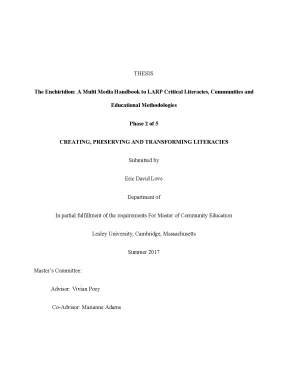
THESIS The Enchiridion: A Multi Media Handbook to LARP Critical Literacies, Communities and Educational Methodologies Phase 2 of 5 CREATING, PRESERVING AND TRANSFORMING LITERACIES Submitted by Eric David Love Department of In partial fulfillment of the requirements For Master of Community Education Lesley University, Cambridge, Massachusetts Summer 2017 Master’s Committee: Advisor: Vivian Poey Co-Advisor: Marianne Adams “Whoever speaks in primordial images speaks with a thousand voices; he enthralls and overpowers. he transmutes our personal destiny into the destiny of mankind and evokes in us all these beneficent forces that ever and anon have enabled humanity to find a refuge from every peril and to outlive the longest night.” - Carl Jung As a youth, I grew up in a strange world. My mother is a psychologist, involved in social justice, community-based work and a college professor at various four-year colleges. As a young child, would sometimes sit in on her classes and draw in the back corner of the classroom as she either taught psychology or was working with other professors to help develop courses and her other work as a college professor.

It was here that I learned the working of the mind and the will of the human being, how it was the same or different from animals, as well as how to ask why things are. My father is a naturalist, a philosopher and patron of the arts. He would take me into nature, theater, and art museums alike, He would explain the world through a variety of lenses and ask me my thoughts about the subjects. After, we would end the day with meditations, and readings from Lord of the Rings or Carlos Castenada.

Here I came to know myself through the lens of art and culture. My grandmother worked at Plymouth Plantation as one of the featured actors. This living history museum founded in 1947 attempts to replicate the original settlement of the Plymouth Colony established in the early 17th century. Here I learned that a person or group of persons could transform the world we know into an alternative world, creating a space where the unthinkable could come to life.

My great Aunt Betty Caulfield, was a published astrologer and tarot card reader who would explain to me the literacies of images, sound, movement and color. From her I learned that there are methods of communication and possibilities beyond our imaginations, that our subconscious is a powerful fertile tool and the language of the world of our dreams. My grade school and middle school education consisted of public schools and summers filled with a variety of private fine art lessons and natural ecological science camps. In between art lessons and family camping trips, I attended Outward Bound.

Outward Bound’s mission is to change lives through challenge and discovery. Their vision is to create a more resilient and compassionate world by inspiring citizens to be resilient and compassionate. This is where I was exposed to the idea of destination experiential education and self-transformation. When I became a teen, I invested deeply in martial arts and eastern philosophies as well as explored becoming a public visual and performing artist.

This exposed me to cultural phenomenon like Burning Man and its inspired events as well as a DIY (do-it-yourself) and arts integrated culture. I would pick various work for accessibility to tools or materials to support my art ventures. As hard as I tried to not be my mother, I eventually found myself being a natural at teaching and working with community groups. This brings me to where I am today.

I have been working with after school programs and enrichment education for the past 10 years. Previous to this, I worked at private schools as an interdisciplinary art teacher. I also worked at two different alternative education outfits teaching science and technology through the arts, as well as operating private and group lessons on the weekends on personal transformation and empowerment through the arts. The last decade, I have been developing new platforms to construct scaffolding to create and implement new education models and methods.

This development has been hand-in-hand with my education at Lesley. As I began my Masters in Community Education course at Lesley in Spring 2011, I have been working independently with my theories, testing them, as I construct curricula and new ways to integrate the arts into education through communities. After a decade of research and development, I have honed in on the current models of education and what needs to be created, preserved, and transformed in order to move forward and create up-to-date education and communication technologies. When I talk about technologies, I’m talking about social change and cultural transforming technologies.

Imagine if you will a day and time when reading and writing was new technology. Some people were apprehensive at first, but we know today, this were not a kills to be ignored. This was to become and still is our world’s leading literacy in all forms of data. No one knowing what they know now would have ignored and put aside this information, this skill set and the doors it would open up for future possibilities for not only the empowerment of the self , but cultured the world.

These are the kind of technologies I dream of. I believe that new literacies can transform how we see ourselves, each other and our purpose as a species. I believe the technology I present here is part of the onset of such a technology, a literacy that is built upon all that we know and have created as a species. In short, this literacy is an immersive narrative experiential education model.

This model is based upon the platform of enactments, live action role play, integrated arts and multicultural and multiple intelligence lenses, in addition to community scaffolding design for members to have agency. I was never fond of the American education system as it was presented to me. It always seemed like data was being compromised into a kind of high output, low quality, fast turnaround service dispensary, like fast food. It is convenient, but it is not as nutritious or wholesome and does not fuel beneficial health as well.

If education is food for the mind, so to speak, then it would be much better suited presented upon a beautiful dish of greens, freshly made and delicious, full of beneficial health and wellness fuel substances while being exciting and fun to eat. Whether it was public schools, private schools, workshops, afterschool programing or even weekend getaways, I found the youth and the leaders typically not fully engaged, passionate and inspired--not just with traditional subjects such as history and STEM, but n the arts as well Youth just were not fully present and passionate in the classroom. I used to think it was the physical environment, the classrooms, the school, or the individual teachers. However, I don't think that any of these is where the core issue in my lack of educational interests and engagement stemmed from, but they were merely symptoms.

I wanted to find a solution, a way to make education more engaging and draw more value from it. Robinson (2006), world-renowned education and creativity expert and recipient of the RSA's Benjamin Franklin award, asked the question “…do our schools kill creativity”? Robinson says, “… intelligence is, it's distinct.” and “…Picasso once said.the problem is to remain an artist as we grow up.that we don't grow into creativity, we grow out of it. Or rather, we get educated out of it.” Robinson speaks to three different attributes of our intelligence and ability to learn and do. “One, it's diverse.

We think about the world in all the ways that we experience it. We think visually, we think in sound, and we think kinesthetically. We think in abstract terms, we think in movement. Secondly, intelligence is dynamic.

If you look at the interactions of a human brain, as we heard from a number of presentations, intelligence is wonderfully interactive. The brain is not divided into compartments. In fact, creativity -- which I define as the process of having original ideas that have value -- more often than not, comes about through the interaction of different disciplinary ways of seeing things.” The data is that there were no public systems for education, as we regard them today, before the 19th century. Education public systems where born to meet the needs of industrialism based upon two core ideas.

One, that the most useful subjects for work are at the top of a one up culture. From this trajectory of education for industrialism, we can imagine that young students of this system were steered away from subjects that were inspiring or desirable based on the principle that one would never get a job doing that. According to this approach, subjects such as music, movement, and art were not as useful. The message was and still is in most cases, you won't be an artist and make a useful living.

In addition this education system was developed during a world engulfed in the industrial revolution (Robinson, 2006). These models are outdated and no longer serve us well today. It's time to explore new literacies for education and communication, which ones we want to keep and are serving and what ones no longer serve us and can be let go. I began to question how we gather data, internalize it, as well as express it.

I wanted to understand how we communicate. What works, what doesn’t, and how can we improve it--the art of information, if you will. With so many options out there for educational methodologies I was overwhelmed with options. I required a tool to help me discover what I was looking for and a compass to find my way, a compass constructed on the building blocks of humanity itself.

What became vital for me was to look at morality, ethics, and quality of life to find a foothold to understand my inquiry. I kept coming back to one surfacing answer when facing the allegorical mirror of my investigation. The query is “what is essential here in education and communication”? The answer that emerged was to look for new literacies for new educational methods based upon inspired transformational narrative experiences. I have come to believe through my research that imagination and play are paramount for the human experience.

These qualities enrich communities that create exciting and awesome experiences. These experiences are the very thing that foster a prosperous and well balanced life with wholesome human interactions. My journey began in my day-to-day work. I began to look at new ways to interact with youth, teens and adults through community and personal empowerment.

I wanted my education to be inspirational, exciting and show something to each of us every day that uplifts our hearts with joy and gratitude and transforms our minds. Think of what would be the most fantastic place to go today. For example, perhaps to a waterfall, skydiving, or walking a national park with someone you love. That feeling, that inspiration, or what my old martial arts instructor Kenneth Proctor called, bring in spirit, what is that? That is an excited being ready for the day and full of possibility and wonder--the ideal mental and emotional space for learning, reflecting and expressing data, resulting in optimal brain and body function.

With my background in fine arts, music, movement, theater, teaching, gaming and event production, in addition to the last ten years of experiences and education of theory and practice through methods I have discover at Lesley University, Transformational Workshops and my own research, I find three themes that keep emerging in all ideal educational methodologies that create exponential resorts. I called it the ​Peanut, Butter Jelly Sandwich of Ideal Educational Methods​ or the ​Trinity Elements of Ideal Education​. By bringing these models and methods together, we can see a new platform emerge for education and information. These three themes are as follows.

Nội dung được bảo vệ bản quyền — Tải xuống đầy đủ