Tổng quan về giáo trình
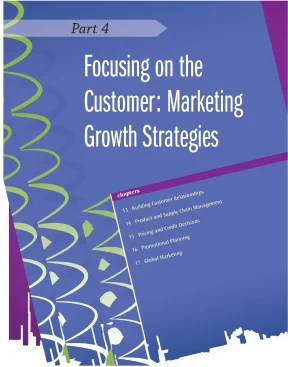
Giáo trình thuộc lĩnh vực Quản trị Kinh doanh và Khởi sự Doanh nghiệp (Small Business Management), đóng vai trò là học phần chuyên ngành trong chương trình đào tạo bậc đại học và sau đại học. Tài liệu tập trung vào Phần 4 mang tiêu đề "Tập trung vào khách hàng: Các chiến lược tăng trưởng tiếp thị" (Part 4: Focusing on the Customer: Marketing Growth Strategies), với nội dung cụ thể khảo sát từ Chương 13 (Xây dựng mối quan hệ khách hàng - Building Customer Relationships) đến Chương 14 (Quản lý sản phẩm và chuỗi cung ứng - Product and Supply Chain Management), đồng thời liên kết với các chủ đề về định giá (Chương 15) và quản trị tồn kho (Chương 20).
Mục tiêu học tập của giáo trình được thiết lập nhằm trang bị cho người học hệ thống lý thuyết và công cụ thực hành về:
- Bản chất và vai trò của quản trị quan hệ khách hàng (CRM) trong doanh nghiệp quy mô nhỏ;
- Cơ chế xây dựng dịch vụ khách hàng vượt trội và ứng dụng công nghệ thông tin trong thu thập dữ liệu;
- Phân tích mô hình hành vi ra quyết định của người tiêu dùng cùng các yếu tố tâm lý, xã hội học chi phối;
- Nhận diện các rào cản tăng trưởng, quản lý rủi ro đổi mới sáng tạo, quy trình phát triển sản phẩm mới và sản phẩm tổng thể;
- Tuân thủ khuôn khổ pháp lý về bảo hộ tài sản tiếp thị và quyền lợi người tiêu dùng;
- Thiết kế hệ thống kênh phân phối và vận hành mạng lưới logistics trong chuỗi cung ứng.
Giáo trình tiếp cận vấn đề theo cấu trúc logic từ nội tại mối quan hệ giao dịch vi mô đến hệ thống vận hành và phân phối vĩ mô. Điểm đặc trưng của tài liệu là việc kết hợp chuẩn mực lý thuyết học thuật với các nghiên cứu thực nghiệm và dữ liệu thực tế từ các doanh nghiệp vừa và nhỏ tại Hoa Kỳ.
Nội dung kiến thức cốt lõi
Các chương và chủ đề chính
- Chương 13: Xây dựng mối quan hệ khách hàng (Building Customer Relationships): Phân tích định nghĩa CRM như một chiến lược toàn diện hướng đến tối ưu hóa lợi nhuận và mức độ thỏa mãn của các nhóm khách hàng mục tiêu xác định. Nội dung chương chia thành hai khối kiến thức nền tảng (Exhibit 13-2): Mối quan hệ giao dịch tích cực thông qua dịch vụ vượt trội và Tri thức về hành vi khách hàng. Chương này phân tích 4 giai đoạn của tiến trình ra quyết định mua sắm và các yếu tố ảnh hưởng tâm lý, xã hội học.
- Chương 14: Quản trị sản phẩm và chuỗi cung ứng (Product and Supply Chain Management): Phân tích hiện tượng "bẫy tăng trưởng" (growth trap), vai trò của đổi mới sáng tạo theo quan điểm Joseph Schumpeter, tiến trình 4 giai đoạn phát triển sản phẩm mới, các cấu phần của sản phẩm tổng thể (tên thương hiệu, đóng gói, nhãn mác, bảo hành), 6 phương án chiến lược sản phẩm, môi trường pháp lý bảo vệ tài sản tiếp thị, cùng cấu trúc kênh phân phối và quản trị phân phối vật chất (logistics).
- Các chủ đề tiếp nối trong Phần 4 (Chương 15 đến Chương 17 và Chương 20): Khảo sát các quyết định về định giá và tín dụng (Pricing and Credit Decisions), các hoạt động xúc tiến thương mại và quản trị hàng tồn kho trong hệ thống cung ứng.
Kiến thức nền tảng được xây dựng
- Các lý thuyết và nguyên lý cốt lõi:
- Lý thuyết phá hủy sáng tạo (Creative Destruction) của Joseph Schumpeter: Đổi mới phương thức sản xuất, sản phẩm và quy trình tổ chức để tạo lợi thế cạnh tranh.
- Mô hình 5 lợi ích kinh tế của việc duy trì khách hàng hiện tại do Brian Vellmure (Initium Technology) xác lập: Chi phí thu hút khách hàng mới cao hơn chi phí duy trì, khách hàng lâu năm chi tiêu nhiều hơn, khách hàng hài lòng tạo nguồn giới thiệu, chi phí xử lý đơn hàng cho khách hàng mới cao hơn, và khách hàng trung thành sẵn sàng chi trả mức giá cao hơn (Exhibit 13-1).
- Mô hình đơn giản hóa về hành vi người tiêu dùng (Simplified Model of Consumer Behavior - Exhibit 13-5): Tiến trình ra quyết định 4 giai đoạn gồm (1) Nhận biết vấn đề (Problem recognition), (2) Tìm kiếm và đánh giá thông tin (Information search and evaluation), (3) Quyết định mua sắm (Purchase decision), và (4) Đánh giá sau mua (Post-purchase evaluation).
- Các yếu tố tâm lý học và xã hội học chi phối hành vi: 4 nhóm nhu cầu (sinh lý, xã hội, tâm lý, tâm linh); quá trình phân loại nhận thức (perceptual categorization); cấu trúc động cơ (motivations) và thái độ (attitudes). Về mặt xã hội học, giáo trình phân loại ảnh hưởng của văn hóa, tiểu văn hóa, tầng lớp xã hội, người dẫn dắt dư luận (opinion leaders) và 5 dạng quyền lực nhóm tham chiếu: quyền lực khen thưởng (reward), cưỡng chế (coercive), tham chiếu (referent), chuyên gia (expert), và quyền lực hợp pháp (legitimate).
- Khuôn khổ pháp lý liên quan đến sản phẩm và người tiêu dùng:
- Các đạo luật bảo vệ người tiêu dùng: Đạo luật Ghi nhãn Dinh dưỡng và Giáo dục 1990 (Nutrition Labeling and Education Act of 1990), Đạo luật An toàn Sản phẩm Tiêu dùng 1972 (Consumer Product Safety Act of 1972).
- Các công cụ bảo hộ tài sản tiếp thị (Exhibit 14-7): Nhãn hiệu (Trademarks theo Đạo luật Lanham sửa đổi 1989), Sáng chế (Patents gồm Utility, Design, Plant patents), Bản quyền (Copyrights theo Đạo luật Bản quyền 1976), và Nhận diện thương mại (Trade Dress).
Kỹ năng phát triển
- Kỹ năng kỹ thuật (Technical skills): Thu thập và xử lý 4 nhóm dữ liệu hồ sơ khách hàng (Giao dịch, Tiếp xúc, Thông tin nền tảng, Phản hồi kích thích tiếp thị); tra cứu nhãn hiệu tại Thư viện Tra cứu của Cơ quan Sáng chế và Nhãn hiệu Hoa Kỳ (USPTO); xác lập điều khoản giao hàng trong vận tải (F.O.B. origin, freight collect).
- Kỹ năng phân tích (Analytical skills): Đo lường hệ số chất lượng dịch vụ khách hàng (Customer Service Quotient); phân tích bất hòa nhận thức sau mua (Cognitive Dissonance); đánh giá 3 tiêu chí cấu trúc kênh phân phối gồm chi phí (costs), mức độ bao phủ thị trường (coverage), và quyền kiểm soát (control).
- Kỹ năng thực thi thực tế (Practical competencies): Xử lý khiếu nại tại chỗ theo quy tắc 20-foot (Twenty-Foot Rule); tích hợp phần mềm phân tích dữ liệu chuyên sâu (như SAS Enterprise Miner) vào hệ thống bán hàng; thiết kế mô hình phân phối kép (dual distribution).
Phương pháp giảng dạy và học tập
Giáo trình được thiết kế theo phương pháp sư phạm cấu trúc định hướng chuẩn đầu ra (Outcome-Based Education):
- Định hướng đầu chương và tóm tắt cuối chương: Mỗi chương mở đầu bằng mục Looking AHEAD xác định các mục tiêu hành vi cụ thể và kết thúc bằng Looking BACK tổng kết có hệ thống các luận điểm tương ứng, giúp người học kiểm soát tiến độ tiếp thu.
- Hệ thống nghiên cứu tình huống thực tiễn:
- Tình huống ngắn minh họa lý thuyết (How They See It, Living the Dream): Phân tích mô hình thực tế từ Denny Fulk (quản trị phản hồi 24 giờ), Rick Davis (triết lý The DAVACO Way), Jason Belkin (Hampton Coffee Company), Carl Sewell (Sewell Village Cadillac), Pam Felix (California Tortilla), Van Eure (nhà hàng The Angus Barn), Scott Mooney (Country Supply), Nicole Miller và Bud Konheim (Nicole Miller Inc.).
- Tình huống tình huống ra quyết định (You Make the CALL): Cung cấp các kịch bản kinh doanh như Jeremy Shepherd (PearlParadise.com), Paul Layer (Aspen Funeral Alternatives), Neil Peterson (dịch vụ chia sẻ xe hơi), Linda McMahan (túi xách biểu trưng đại học), công ty Tomboy Tools, đồ uống Monster Energy, và máy bán kem tự động MooBella.
- Hệ thống đánh giá và bài tập trải nghiệm:
- Discussion QUESTIONS: Hệ thống câu hỏi củng cố định nghĩa, phân biệt khái niệm và phân tích tình huống giả định.
- Experiential EXERCISES: Yêu cầu người học thực hiện khảo sát trải nghiệm mua sắm cá nhân, phỏng vấn trực tiếp các chủ doanh nghiệp địa phương về quản lý dịch vụ, xử lý khiếu nại, quy trình phát triển sản phẩm mới và cấu trúc phân phối.
- Exploring the WEB: Hướng dẫn tra cứu quy chuẩn thực tế trên cổng thông tin của Cơ quan Quản lý Doanh nghiệp Nhỏ Hoa Kỳ (SBA) và các cổng trắc nghiệm học thuật.
Điểm nổi bật và cập nhật
- Tích hợp công nghệ trong quản trị tiếp thị và chuỗi cung ứng: Giáo trình cập nhật vai trò của Internet, các hệ thống tương tác bằng giọng nói (IVR), mô hình tổng đài thuê ngoài (hosted call centers), và các giải pháp khai phá dữ liệu khách hàng (SAS Enterprise Miner) nhằm xây dựng mối quan hệ tương tác trực tiếp với người tiêu dùng.
- Quy chuẩn pháp lý thực tế cho doanh nghiệp: Cập nhật các sửa đổi của Đạo luật Nhãn hiệu Lanham năm 1989 về nguyên tắc nộp đơn dựa trên "ý định sử dụng" (intent to use); các quy định về thời hạn bảo hộ quyền tác giả theo Đạo luật Bản quyền 1976 (suốt đời tác giả cộng 70 năm, hoặc 95/120 năm đối với tác phẩm thuê làm); các phán quyết của tòa án ghi nhận giá trị pháp lý của tài sản nhận diện thương mại (Trade Dress).
- Hiện đại hóa mô hình phân phối: Phân tích ứng dụng dịch vụ logistics bên thứ ba (3PL như trường hợp APL Logistics hỗ trợ Premier Inc.) và sự phát triển của hệ thống bán lẻ tự động hóa kết nối mạng không dây (MooBella chạy trên nền tảng hệ điều hành Unix).
Đối tượng sử dụng giáo trình
- Sinh viên chuyên ngành: Phù hợp cho sinh viên đại học từ năm thứ hai đến năm thứ tư và học viên cao học thuộc các ngành Quản trị Kinh doanh, Quản trị Khởi nghiệp, Marketing, Quản lý Thương mại, và Quản trị Chuỗi cung ứng.
- Kiến thức tiên quyết (Prerequisites): Người học cần hoàn thành các học phần cơ sở khối ngành gồm Nguyên lý Quản trị, Nguyên lý Marketing và Kế toán căn bản để hiểu rõ các khái niệm về chi phí giao dịch, dòng tiền và phân đoạn thị trường.
- Giảng viên và chuyên gia đào tạo: Cung cấp hệ thống đề cương bài giảng chuẩn, ngân hàng câu hỏi thảo luận, các tình huống thực nghiệm và video case (Rodgers Chevrolet, Country Supply, eHarmony, Le Travel Store) phục vụ công tác giảng dạy lý thuyết kết hợp thảo luận tình huống.
- Nhà sáng lập và quản lý doanh nghiệp: Tài liệu có giá trị tham khảo cho các cá nhân điều hành doanh nghiệp nhỏ trong việc tái cấu trúc dịch vụ khách hàng, bảo hộ thương hiệu và tối ưu hóa mạng lưới logistics.
Câu hỏi thường gặp
1. Giáo trình này phù hợp với ai?
Tài liệu phục vụ sinh viên khối ngành kinh tế, giảng viên giảng dạy học phần Quản trị Doanh nghiệp Nhỏ / Khởi sự Doanh nghiệp, cùng các chủ cơ sở kinh doanh cần khung phân tích chuẩn mực về tiếp thị và vận hành.
2. Cần kiến thức nền nào để học?
Người học cần nắm vững các nguyên lý marketing cơ bản (4P, phân đoạn thị trường) và các chỉ số tài chính căn bản (dòng tiền, doanh thu, lợi nhuận) để tiếp thu các nội dung về bẫy tăng trưởng và quản lý kênh phân phối.
3. Điểm khác biệt với giáo trình khác?
Giáo trình phân tích các chiến lược tiếp thị, sản phẩm và chuỗi cung ứng đặt riêng trong bối cảnh giới hạn về nguồn lực tài chính, nhân sự và quy mô của doanh nghiệp nhỏ, thay vì tiếp cận từ góc độ các tập đoàn đa quốc gia.
4. Làm sao để tự học hiệu quả?
Người học nên bám sát hệ thống mục tiêu tại phần Looking AHEAD, thực hiện đối chiếu lý thuyết với phần tóm tắt Looking BACK, làm rõ các thuật ngữ Key TERMS, và vận dụng phân tích các tình huống thực tế tại mục You Make the CALL.
5. Có tài liệu bổ trợ nào kèm theo?
Hệ thống tài liệu đi kèm gồm các bài tập tình huống video (Video Cases), hướng dẫn bài tập trải nghiệm thực tế (Experiential Exercises), và các chỉ dẫn liên kết đến nguồn tư liệu của Cơ quan Quản lý Doanh nghiệp Nhỏ Hoa Kỳ (SBA).
Kết luận
Giáo trình cung cấp hệ thống tri thức chuẩn xác về quản trị quan hệ khách hàng, chiến lược sản phẩm và cấu trúc chuỗi cung ứng dành cho doanh nghiệp quy mô nhỏ. Lộ trình học tập được thiết kế mạch lạc từ nhận thức vai trò trọng tâm của khách hàng (Chương 13), thiết lập chiến lược sản phẩm và mạng lưới phân phối (Chương 14), đến các quyết định định giá (Chương 15) và kiểm soát vận hành (Chương 20). Nguồn dữ liệu tham khảo từ các cơ quan pháp lý như USPTO, Cục Bản quyền Hoa Kỳ và các trường hợp doanh nghiệp thực tế tạo cơ sở khoa học và thực tiễn cho học phần.