BƯỚC 1: PHÂN TÍCH TÀI LIỆU
1. Các vấn đề và câu hỏi chính mà tài liệu giải quyết
- Định hình nền tảng pháp quyền sau chuyển đổi chế độ: Hiến pháp năm 1997 xác lập nền tảng hiến định cho nền Đệ tam Cộng hòa Ba Lan (Third Republic) sau khi chuyển đổi dân chủ từ năm 1989 như thế nào?
- Cơ chế phân quyền và cân bằng quyền lực (Checks and Balances): Thể chế chính trị phân bổ thẩm quyền lập pháp (Sejm và Thượng viện), hành pháp (Tổng thống và Hội đồng Bộ trưởng) và tư pháp (Tòa án và các Viện tài phán) ra sao nhằm tránh lạm quyền?
- Hệ thống bảo vệ quyền cơ bản của con người: Hiến pháp bảo đảm quyền tự do cá nhân, quyền chính trị, quyền kinh tế - xã hội và cơ chế tài phán giải quyết khiếu nại hiến pháp của công dân như thế nào?
- Thứ bậc hiệu lực pháp lý và hội nhập quốc tế: Quy định về nguồn luật quốc gia, tính tối cao của Hiến pháp và mối tương quan pháp lý giữa điều ước quốc tế với pháp luật nội địa được xây dựng ra sao?
2. Danh mục 18 thuật ngữ chuyên ngành quan trọng
- Democratic state ruled by law (Nhà nước pháp quyền dân chủ)
- Separation of powers (Tam quyền phân lập / Phân công và cân bằng quyền lực)
- Social market economy (Kinh tế thị trường xã hội)
- Principle of subsidiarity (Nguyên tắc bổ trợ)
- Constitutional Tribunal (Tòa án Hiến pháp – Trybunał Konstytucyjny)
- Tribunal of State (Tòa án Nhà nước – Trybunał Stanu)
- Supreme Chamber of Control (Viện Kiểm soát Tối cao – NIK)
- Commissioner for Citizens' Rights (Cao ủy về Quyền công dân / Ombudsman)
- National Council of the Judiciary (Hội đồng Tư pháp Quốc gia – KRS)
- Constructive vote of no confidence (Bỏ phiếu bất tín nhiệm mang tính xây dựng)
- Inherent dignity (Phẩm giá vốn có và bất khả xâm phạm)
- Universally binding law (Văn bản quy phạm pháp luật có hiệu lực bắt buộc chung)
- Presidential countersignature (Chế định tiếp ký của Thủ tướng)
- Statute of limitation (Thời hiệu truy cứu trách nhiệm hình sự)
- Extradition procedure (Thủ tục dẫn độ tư pháp)
- Decentralization of public power (Phi tập trung hóa quyền lực công)
- Judicial review (Giám sát tính hợp hiến / Xem xét tư pháp)
- Constitutional complaint (Khiếu nại hiến pháp cá nhân)
3. Đóng góp và giá trị học thuật mới của tài liệu
- Sự dung hòa tư tưởng lập hiến đặc sắc: Lời mở đầu kết hợp nhuần nhuyễn giữa truyền thống Kitô giáo lịch sử và các giá trị nhân bản phổ quát thế tục.
- Mô hình đại nghị hỗn hợp chặt chẽ: Tạo lập cơ chế kiểm soát chéo quyền lực tinh vi giữa Tổng thống dân cử trực tiếp và Thủ tướng chịu trách nhiệm trước Hạ viện.
- Cơ chế tài phán hiến pháp toàn diện: Thiết lập quyền tài phán độc lập của Tòa án Hiến pháp và Tòa án Nhà nước đối với các vi phạm hiến pháp của quan chức cấp cao.
- Tiền đề pháp lý vững chắc cho quá trình hội nhập châu Âu: Quy định rõ ràng nguyên tắc ưu tiên áp dụng điều ước quốc tế, tạo điều kiện thuận lợi cho việc gia nhập Liên minh châu Âu (EU).
BƯỚC 2: NỘI DUNG CONTENT CHI TIẾT
Tổng quan nghiên cứu
Sự chuyển giao chính trị tại Đông Âu vào cuối thế kỷ 20 đặt ra yêu cầu cấp thiết về việc tái thiết nền tảng lập hiến. Hiến pháp Cộng hòa Ba Lan thông qua ngày 02 tháng 04 năm 1997 là một trong những thành tựu lập pháp tiêu biểu của quá trình dân chủ hóa này. Văn bản không chỉ đánh dấu sự chuyển mình của nền Đệ tam Cộng hòa Ba Lan mà còn phản ánh tư duy pháp lý hiện đại trong việc tổ chức nhà nước.
Nghiên cứu văn bản này có ý nghĩa học thuật đặc biệt quan trọng trong bối cảnh so sánh luật hiến pháp quốc tế. Tài liệu giải quyết khoảng trống lý luận về cách thức xây dựng nhà nước pháp quyền trên nền tảng chuyển dịch từ thể chế tập quyền. Bên cạnh đó, văn kiện giải quyết mâu thuẫn xã hội sâu sắc thông qua việc hài hòa giữa các giá trị tôn giáo truyền thống và nhà nước thế tục.
Về mặt tiếp cận, tài liệu kết hợp phương pháp phân tích văn bản pháp luật thực định với phương pháp luật học so sánh. Cấu trúc văn bản thể hiện rõ nét tính hệ thống, từ các tuyên ngôn triết học nhân quyền đến các quy định chi tiết về tổ chức quyền lực nhà nước. Đây là nguồn khảo cứu chuẩn mực cho các học giả nghiên cứu về luật công và thể chế chính trị châu Âu đương đại.
Nội dung chi tiết
1. Nền tảng triết lý lập hiến và cơ sở lý thuyết về quyền con người
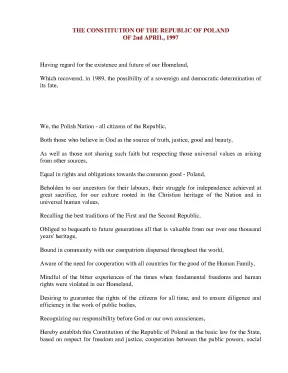
Cơ sở lý luận của Hiến pháp Ba Lan 1997 bắt nguồn từ sự hòa giải lịch sử và việc tôn trọng phẩm giá con người. Lời mở đầu của Hiến pháp ghi nhận cả những công dân tin vào Thiên Chúa lẫn những người tôn trọng các giá trị nhân văn thế tục. Cách tiếp cận này tạo nên sự đồng thuận xã hội sâu rộng, giải quyết triệt để các xung đột tư tưởng sau năm 1989.
Nguyên tắc pháp quyền (rule of law) và công bằng xã hội được quy định ngay tại Điều 2 như một định chế nền tảng. Nhà nước Ba Lan được xác định là tài sản chung của toàn thể công dân, hoạt động dựa trên sự phân quyền và phân cấp trách nhiệm. Cùng với đó, Điều 20 hiến định hóa mô hình kinh tế thị trường xã hội dựa trên tự do kinh doanh và quyền tư hữu.
Chương II của Hiến pháp tập trung thiết lập hệ thống quyền con người toàn diện và bất khả xâm phạm. Xuất phát từ phẩm giá con người tại Điều 30, Hiến pháp nghiêm cấm tuyệt đối mọi hành vi tra tấn và đối xử vô nhân đạo. Mọi hạn chế quyền công dân chỉ được thực hiện bằng luật (statute) khi thực sự cần thiết vì lý do trật tự công cộng và an ninh quốc gia.
2. Cơ chế phân quyền, đối trọng và tổ chức bộ máy nhà nước
Cơ cấu quyền lực nhà nước Ba Lan được xây dựng dựa trên nguyên tắc tam quyền phân lập rõ rệt tại Điều 10. Quyền lập pháp được trao cho Nghị viện lưỡng viện gồm Hạ viện (Sejm) với 460 đại biểu và Thượng viện (Senate) gồm 100 thượng nghị sĩ. Hạ viện nắm giữ vai trò chủ đạo trong quy trình lập pháp và thực hiện quyền giám sát tối cao đối với nhánh hành pháp.
Nhánh hành pháp bao gồm Tổng thống Cộng hòa và Hội đồng Bộ trưởng do Thủ tướng đứng đầu. Tổng thống là nguyên thủ quốc gia, đại diện cho tính liên tục của quyền lực nhà nước và là Tổng tư lệnh các lực lượng vũ trang. Hầu hết các văn bản pháp lý chính thức của Tổng thống đều đòi hỏi sự tiếp ký (countersignature) của Thủ tướng nhằm bảo đảm trách nhiệm chính trị trước Hạ viện.
Chính phủ do Thủ tướng lãnh đạo chịu trách nhiệm trực tiếp về quản lý hành chính nhà nước và điều hành ngân sách quốc gia. Để ngăn ngừa khủng hoảng chính trị, Hiến pháp áp dụng cơ chế bỏ phiếu bất tín nhiệm mang tính xây dựng (constructive vote of no confidence). Theo đó, Hạ viện chỉ có thể bãi nhiệm Thủ tướng nếu đồng thời bầu ra được một ứng viên Thủ tướng mới thay thế.
3. Hệ thống tài phán độc lập và cơ chế bảo đảm tính tối cao của Hiến pháp
Hệ thống tư pháp của Ba Lan được hiến định là một nhánh quyền lực độc lập và tách biệt tại Điều 173. Tòa án tối cao, Tòa án hành chính tối cao và các tòa án chuyên trách thực hiện quyền xét xử độc lập, nhân danh Nhà nước. Thẩm phán được bổ nhiệm vô thời hạn và được bảo đảm quyền bất khả bãi nhiệm để duy trì tính khách quan khi xét xử.
Tòa án Hiến pháp (Trybunał Konstytucyjny) giữ vai trò trung tâm trong việc bảo vệ trật tự hiến định quốc gia. Cơ quan này có thẩm quyền phán quyết tính hợp hiến của các đạo luật, điều ước quốc tế và giải quyết khiếu nại hiến pháp của công dân. Phán quyết của Tòa án Hiến pháp có giá trị chung thẩm và bắt buộc thi hành đối với mọi cơ quan công quyền.
Bên cạnh đó, Tòa án Nhà nước (Trybunał Stanu) chịu trách nhiệm xét xử các quan chức cấp cao khi vi phạm Hiến pháp và luật pháp. Cơ quan kiểm toán tối cao (NIK) và Cao ủy về Quyền công dân bổ trợ đắc lực cho việc giám sát hành pháp. Tất cả các thiết chế này tạo thành một mạng lưới kiểm soát quyền lực chặt chẽ, bảo vệ vững chắc quyền tự do của công dân.
Ai nên đọc tài liệu này?
Tài liệu này là nguồn tư liệu học thuật và tham khảo pháp lý giá trị cao, đặc biệt phù hợp với các nhóm độc giả:
- Chuyên gia và giảng viên Luật Hiến pháp: Tài liệu cung cấp cơ sở đối chiếu sâu sắc về mô hình đại nghị lưỡng viện và kinh nghiệm xây dựng nhà nước pháp quyền thời kỳ hậu xã hội chủ nghĩa.
- Nhà nghiên cứu khoa học chính trị và quan hệ quốc tế: Hỗ trợ phân tích cấu trúc chuyển dịch thể chế, cơ chế kiểm soát hành pháp và chính sách hội nhập châu Âu của Ba Lan.
- Sinh viên, học viên cao học ngành Luật và Hành chính công: Tài liệu cung cấp các định chế pháp lý chuẩn mực, hỗ trợ thực hiện luận văn và nghiên cứu chuyên đề về luật công so sánh.
- Chuyên gia lập pháp và hoạch định chính sách: Đóng vai trò là tài liệu tham khảo thực tiễn trong việc thiết kế cơ chế phân quyền, giám sát quyền lực và bảo vệ quyền con người.
[!NOTE]
Người đọc cần có kiến thức nền tảng về lý luận nhà nước và pháp luật cũng như các khái niệm cơ bản về luật so sánh để tiếp thu văn bản hiệu quả nhất.
Câu hỏi thường gặp
1. Hiến pháp Ba Lan 1997 xác định tính chất thể chế nhà nước là gì?
Hiến pháp xác định Cộng hòa Ba Lan là nhà nước đơn nhất, dân chủ pháp quyền và thực hiện công bằng xã hội. Quyền lực tối cao thuộc về Nhân dân, được thực thi trực tiếp hoặc thông qua các đại diện dân cử.
2. Quy trình thông qua một đạo luật tại Nghị viện Ba Lan diễn ra như thế nào?
Dự luật phải trải qua ba lần đọc tại Hạ viện (Sejm), sau đó chuyển sang Thượng viện xem xét trong vòng 30 ngày. Sau khi hai viện thống nhất, dự luật được trình Tổng thống ký ban hành và công bố trên Công báo.
3. Vì sao cơ chế bất tín nhiệm xây dựng lại quan trọng đối với Chính phủ Ba Lan?
Cơ chế này ngăn ngừa tình trạng khủng hoảng hành pháp kéo dài bằng cách yêu cầu Hạ viện phải chỉ định được Thủ tướng mới trước khi bãi nhiệm Thủ tướng đương nhiệm. Quy định này bảo đảm tính liên tục của chính phủ.
4. Khi nào Tòa án Hiến pháp Ba Lan thụ lý đơn khiếu nại hiến pháp của công dân?
Tòa án Hiến pháp thụ lý khi công dân đã sử dụng hết các biện pháp tư pháp thông thường và cho rằng quyền hiến định bị xâm phạm bởi một đạo luật trái Hiến pháp.
5. Thứ bậc hiệu lực của các điều ước quốc tế được quy định ra sao trong Hiến pháp?
Điều ước quốc tế sau khi phê chuẩn có sự đồng ý bằng luật sẽ có giá trị pháp lý cao hơn luật quốc gia trong trường hợp có xung đột pháp luật, và được áp dụng trực tiếp.
Kết luận
Hiến pháp Cộng hòa Ba Lan năm 1997 là cột mốc lịch sử đánh dấu sự hoàn thiện thể chế pháp lý dân chủ của một quốc gia Trung Âu. Bản Hiến pháp đã giải quyết thành công bài toán cân bằng giữa quyền lực nhà nước và quyền tự do cá nhân.
- Key Takeaways:
- Xác lập vững chắc các nguyên tắc của nhà nước pháp quyền dân chủ và kinh tế thị trường định hướng xã hội.
- Thiết kế cơ chế phân quyền tinh vi giữa nhánh lập pháp, hành pháp và hệ thống tư pháp độc lập.
- Đặt phẩm giá con người làm trung tâm của mọi chính sách và quy định pháp luật.
- Tích hợp sâu rộng hệ thống điều ước quốc tế vào cấu trúc nguồn luật nội địa.
Văn bản Hiến pháp 1997 tiếp tục là chủ đề nghiên cứu trọng điểm trong tiến trình phát triển tư pháp và cải cách hiến định tại châu Âu. Độc giả quan tâm có thể tiếp tục tra cứu các án lệ của Tòa án Hiến pháp Ba Lan để hiểu rõ hơn cách vận hành thực tiễn của văn kiện này.