Tổng quan nghiên cứu
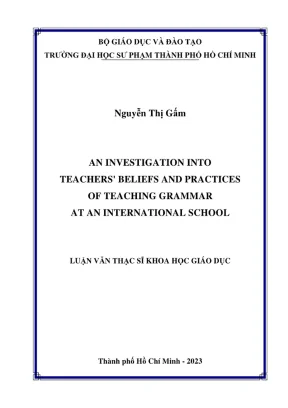
Tiếng Anh là ngôn ngữ quốc tế được sử dụng rộng rãi trong nhiều lĩnh vực như khoa học, công nghệ, du lịch và giáo dục. Tại Việt Nam, tiếng Anh đóng vai trò quan trọng trong hệ thống giáo dục với chương trình học kéo dài 12 năm từ tiểu học đến trung học phổ thông. Theo kế hoạch quốc gia về dạy và học ngoại ngữ giai đoạn 2008-2020, cùng với chương trình giáo dục phổ thông mới được Bộ Giáo dục và Đào tạo ban hành năm 2018, việc nâng cao chất lượng giảng dạy tiếng Anh, đặc biệt là ngữ pháp, được chú trọng nhằm phát triển năng lực ngôn ngữ cho học sinh. Tuy nhiên, việc giảng dạy ngữ pháp tiếng Anh tại các trường quốc tế như Trường Tiểu học - Trung học cơ sở - Trung học phổ thông Thái Bình Dương (IGC) vẫn còn nhiều vấn đề chưa được nghiên cứu sâu.
Mục tiêu nghiên cứu nhằm điều tra niềm tin và thực tiễn giảng dạy ngữ pháp của giáo viên tiếng Anh tại trường IGC, từ đó làm rõ mối quan hệ giữa quan điểm của giáo viên và cách thức họ áp dụng trong lớp học. Nghiên cứu tập trung vào hai giáo viên tiếng Anh người Việt, với tổng cộng 8 tiết học được quan sát trong vòng 4 tuần, kết hợp phỏng vấn bán cấu trúc nhằm thu thập dữ liệu định tính. Kết quả nghiên cứu có ý nghĩa quan trọng trong việc cung cấp cơ sở khoa học cho việc cải tiến phương pháp giảng dạy ngữ pháp, góp phần nâng cao hiệu quả học tập tiếng Anh tại các trường quốc tế ở Việt Nam.
Cơ sở lý thuyết và phương pháp nghiên cứu
Khung lý thuyết áp dụng
Nghiên cứu dựa trên các lý thuyết về giảng dạy ngữ pháp và mối quan hệ giữa niềm tin và thực tiễn của giáo viên. Hai mô hình chính được áp dụng gồm:
- Ba chiều ngữ pháp: form (hình thức), meaning (ý nghĩa), use (cách sử dụng) theo Larsen-Freeman và Celce-Murcia (2016). Ba chiều này tương tác chặt chẽ, ảnh hưởng lẫn nhau trong quá trình dạy và học ngữ pháp.
- Mối quan hệ niềm tin và thực tiễn giảng dạy: dựa trên các nghiên cứu của Pajares (1992), Borg (2006), và Mansour (2009), cho thấy niềm tin của giáo viên ảnh hưởng đến quyết định giảng dạy, nhưng không phải lúc nào cũng tương ứng hoàn toàn với thực tiễn lớp học.
Các khái niệm chính bao gồm: phương pháp giảng dạy ngữ pháp (định hướng quy tắc - deductive, hướng khám phá - inductive, và tương tác - interactive), các giai đoạn bài học ngữ pháp (khởi động, đầu vào tập trung vào ý nghĩa, học tập tập trung vào ngôn ngữ, đầu ra tập trung vào ý nghĩa), và các dạng bài tập ngữ pháp (điền vào chỗ trống, trắc nghiệm, sửa lỗi, chuyển đổi câu).
Phương pháp nghiên cứu
Nghiên cứu sử dụng phương pháp định tính với hai công cụ chính là phỏng vấn bán cấu trúc và quan sát lớp học. Đối tượng nghiên cứu gồm 2 giáo viên tiếng Anh người Việt tại trường IGC, có kinh nghiệm giảng dạy từ 3 đến 7 năm. Phỏng vấn kéo dài khoảng 25 phút mỗi giáo viên, nhằm khai thác niềm tin về giảng dạy ngữ pháp. Quan sát được thực hiện trong 8 tiết học (mỗi tiết 90 phút) trong vòng 4 tuần, tập trung vào cách thức giảng dạy và các hoạt động trong lớp.
Dữ liệu phỏng vấn được ghi âm, phiên âm và mã hóa theo chủ đề: thứ tự các chiều ngữ pháp, phương pháp giảng dạy, các giai đoạn bài học, và bài tập ngữ pháp. Dữ liệu quan sát được ghi chép chi tiết, phân loại và đối chiếu với dữ liệu phỏng vấn để phân tích sâu sắc. Quá trình phân tích dữ liệu theo mô hình của Creswell (2012) bao gồm thu thập, mã hóa, phân loại và diễn giải dữ liệu nhằm trả lời các câu hỏi nghiên cứu.
Kết quả nghiên cứu và thảo luận
Những phát hiện chính
-
Niềm tin của giáo viên về phương pháp giảng dạy ngữ pháp: Cả hai giáo viên đều tin rằng phương pháp giảng dạy ngữ pháp hiệu quả nhất là phương pháp gián tiếp (inductive), trong đó học sinh tự khám phá quy tắc ngữ pháp qua ví dụ và ngữ cảnh. Họ ưu tiên dạy theo thứ tự ba chiều ngữ pháp: meaning → form → use. Ví dụ, một giáo viên cho biết: "Ngữ pháp nên bắt đầu từ ý nghĩa để học sinh hiểu trước khi học hình thức và cách sử dụng."
-
Thực tiễn giảng dạy trong lớp học: Quan sát cho thấy giáo viên áp dụng cả phương pháp gián tiếp và trực tiếp (deductive) tùy theo nội dung bài học. Thứ tự dạy các chiều ngữ pháp không đồng nhất, có giáo viên dạy theo thứ tự meaning-form-use, có người theo form-meaning-use hoặc meaning-use. Các bài học thường bao gồm bốn giai đoạn: khởi động, đầu vào tập trung vào ý nghĩa, học tập tập trung vào ngôn ngữ, và đầu ra tập trung vào ý nghĩa.
-
Bài tập ngữ pháp được sử dụng: Giáo viên ưu tiên các bài tập kiểm soát như điền vào chỗ trống, trắc nghiệm, và bài tập viết hơn là các hoạt động giao tiếp nói và nghe. Ví dụ, trong 80% tiết học quan sát, các bài tập viết chiếm ưu thế, trong khi các hoạt động giao tiếp chỉ chiếm khoảng 20%.
-
Sự không nhất quán giữa niềm tin và thực tiễn: Mặc dù giáo viên tin tưởng vào phương pháp gián tiếp và thứ tự meaning-form-use, thực tế quan sát cho thấy họ vẫn sử dụng phương pháp truyền thống và thứ tự khác nhau trong giảng dạy. Điều này có thể do áp lực chương trình học, yêu cầu kiểm tra, và thói quen giảng dạy lâu năm.
Thảo luận kết quả
Kết quả nghiên cứu phù hợp với các nghiên cứu trước đây cho thấy niềm tin của giáo viên ảnh hưởng đến thực tiễn giảng dạy nhưng không hoàn toàn quyết định. Việc giáo viên sử dụng cả hai phương pháp gián tiếp và trực tiếp phản ánh sự linh hoạt và thích nghi với điều kiện thực tế lớp học. Việc ưu tiên bài tập viết và kiểm tra trắc nghiệm có thể do yêu cầu đánh giá của chương trình học và kỳ thi, tương tự như kết quả nghiên cứu của Khuong (2015) và Le (2011).
Biểu đồ so sánh tần suất sử dụng các phương pháp giảng dạy và bài tập có thể minh họa rõ sự khác biệt giữa niềm tin và thực tiễn. Bảng tổng hợp thứ tự dạy các chiều ngữ pháp cũng giúp làm rõ sự đa dạng trong cách tiếp cận của giáo viên.
Những phát hiện này nhấn mạnh tầm quan trọng của việc hỗ trợ giáo viên trong việc áp dụng các phương pháp giảng dạy hiện đại, đồng thời cân nhắc các yếu tố thực tiễn như chương trình, áp lực thi cử và nguồn lực giảng dạy.
Đề xuất và khuyến nghị
-
Tổ chức các khóa đào tạo chuyên sâu về phương pháp giảng dạy ngữ pháp hiện đại nhằm nâng cao nhận thức và kỹ năng của giáo viên trong việc áp dụng phương pháp gián tiếp và tích hợp ba chiều ngữ pháp. Thời gian thực hiện: trong vòng 6 tháng; chủ thể: Ban giám hiệu và phòng đào tạo nhà trường.
-
Xây dựng và cung cấp tài liệu giảng dạy đa dạng, bao gồm các hoạt động giao tiếp và bài tập tương tác để giảm bớt sự phụ thuộc vào bài tập viết và trắc nghiệm. Thời gian: 3 tháng; chủ thể: tổ chuyên môn và giáo viên.
-
Khuyến khích giáo viên phản ánh và điều chỉnh thực tiễn giảng dạy thông qua các buổi sinh hoạt chuyên môn và nhóm học tập nhằm tạo môi trường trao đổi kinh nghiệm và nâng cao chất lượng giảng dạy. Thời gian: liên tục hàng tháng; chủ thể: giáo viên và tổ chuyên môn.
-
Điều chỉnh chương trình và đánh giá phù hợp hơn với mục tiêu phát triển năng lực giao tiếp và sử dụng ngữ pháp linh hoạt để giảm áp lực dạy theo kiểu truyền thống. Thời gian: 1 năm; chủ thể: Bộ Giáo dục và Đào tạo phối hợp với nhà trường.
Đối tượng nên tham khảo luận văn
-
Giáo viên tiếng Anh tại các trường quốc tế và công lập: Nghiên cứu giúp họ hiểu rõ hơn về mối quan hệ giữa niềm tin và thực tiễn giảng dạy ngữ pháp, từ đó điều chỉnh phương pháp phù hợp với học sinh và chương trình.
-
Nhà quản lý giáo dục và ban giám hiệu trường học: Có cơ sở để xây dựng các chính sách đào tạo, hỗ trợ giáo viên và cải tiến chương trình giảng dạy tiếng Anh.
-
Các nhà nghiên cứu và sinh viên ngành giáo dục tiếng Anh: Cung cấp dữ liệu thực tiễn và lý thuyết để phát triển các nghiên cứu tiếp theo về giảng dạy ngữ pháp và phát triển năng lực ngôn ngữ.
-
Các tổ chức đào tạo giáo viên và các trung tâm bồi dưỡng chuyên môn: Tham khảo để thiết kế các khóa học nâng cao năng lực giảng dạy ngữ pháp theo hướng hiện đại, phù hợp với thực tế giảng dạy tại Việt Nam.
Câu hỏi thường gặp
-
Tại sao niềm tin của giáo viên không luôn phản ánh đúng thực tiễn giảng dạy?
Do nhiều yếu tố như áp lực chương trình, yêu cầu thi cử, thói quen giảng dạy và nguồn lực hạn chế, giáo viên có thể không thực hiện hoàn toàn theo niềm tin của mình. Ví dụ, giáo viên muốn dạy theo phương pháp gián tiếp nhưng vẫn phải dùng bài tập trắc nghiệm để chuẩn bị cho kỳ thi.
-
Phương pháp gián tiếp trong giảng dạy ngữ pháp là gì?
Phương pháp gián tiếp là cách dạy trong đó học sinh tự khám phá quy tắc ngữ pháp qua các ví dụ và ngữ cảnh, thay vì được trình bày quy tắc một cách trực tiếp. Phương pháp này giúp học sinh phát triển khả năng suy luận và áp dụng ngữ pháp linh hoạt.
-
Ba chiều ngữ pháp form, meaning, use có ý nghĩa như thế nào trong giảng dạy?
Form là hình thức ngữ pháp, meaning là ý nghĩa của cấu trúc, use là cách sử dụng phù hợp trong ngữ cảnh. Giảng dạy hiệu quả cần kết hợp cả ba chiều để học sinh không chỉ biết quy tắc mà còn hiểu và sử dụng đúng trong giao tiếp.
-
Làm thế nào để giáo viên có thể cải thiện thực tiễn giảng dạy ngữ pháp?
Giáo viên nên tham gia các khóa đào tạo chuyên môn, trao đổi kinh nghiệm với đồng nghiệp, áp dụng các phương pháp giảng dạy tích cực và đa dạng hóa bài tập để phù hợp với nhu cầu học sinh.
-
Nghiên cứu này có thể áp dụng cho các trường khác không?
Mặc dù nghiên cứu tập trung vào trường IGC, các kết quả và đề xuất có thể tham khảo và điều chỉnh để áp dụng tại các trường quốc tế và công lập khác có điều kiện và đặc điểm tương tự.
Kết luận
- Giáo viên tại trường IGC tin tưởng vào phương pháp gián tiếp và thứ tự dạy ngữ pháp meaning-form-use nhưng thực tế áp dụng đa dạng và không đồng nhất.
- Thực tiễn giảng dạy vẫn ưu tiên các bài tập kiểm soát như điền vào chỗ trống và trắc nghiệm hơn là các hoạt động giao tiếp.
- Mối quan hệ giữa niềm tin và thực tiễn giảng dạy là phức tạp, chịu ảnh hưởng bởi nhiều yếu tố bên ngoài như chương trình và áp lực thi cử.
- Nghiên cứu cung cấp cơ sở khoa học để cải tiến phương pháp giảng dạy ngữ pháp tại các trường quốc tế ở Việt Nam.
- Các bước tiếp theo bao gồm tổ chức đào tạo chuyên môn, phát triển tài liệu giảng dạy đa dạng và điều chỉnh chương trình phù hợp hơn với mục tiêu phát triển năng lực ngôn ngữ.
Hành động ngay: Các nhà quản lý giáo dục và giáo viên nên áp dụng các đề xuất trong nghiên cứu để nâng cao chất lượng giảng dạy ngữ pháp, góp phần phát triển năng lực tiếng Anh cho học sinh trong bối cảnh hội nhập quốc tế.