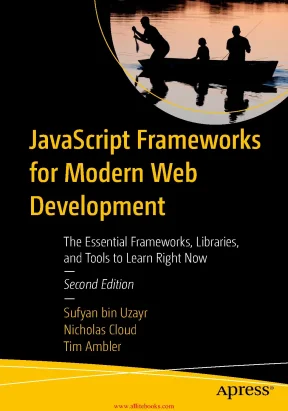
Giáo trình Các Javascript Frameworks cho Web Development Hiện đại (JavaScript Frameworks for Modern Web Development)
Thông tin thư mục và xuất bản:
- Tựa đề gốc: JavaScript Frameworks for Modern Web Development: The Essential Frameworks, Libraries, and Tools to Learn Right Now (Second Edition)
- Tác giả: Sufyan bin Uzayr, Nicholas Cloud, Tim Ambler
- Hiệu đính kỹ thuật (Technical Reviewer): Aleemullah Samiullah
- Nhà xuất bản: Apress Media LLC / Springer Science+Business Media
- Năm xuất bản: 2019
- Mã định danh: ISBN-13 (Bản in): 978-1-4842-4994-9 | ISBN-13 (Điện tử): 978-1-4842-4995-6 | DOI: 10.1007/978-1-4842-4995-6
Tổng quan về giáo trình
Giáo trình JavaScript Frameworks for Modern Web Development (Second Edition) là tài liệu học thuật và kỹ thuật chuyên sâu phục vụ cho các học phần Lập trình Web Nâng cao, Kiến trúc Phần mềm Ứng dụng Web, và Phát triển Ứng dụng Toàn diện (Full-Stack Web Development) tại các cơ sở đào tạo đại học và sau đại học. Trong chương trình đào tạo chuyên ngành Khoa học Máy tính và Công nghệ Thông tin, giáo trình này định vị ở giai đoạn chuyên ngành, kết nối giữa các khối kiến thức cơ bản về cấu trúc dữ liệu, mạng máy tính với thực tiễn xây dựng hệ thống phần mềm phân tán quy mô lớn.
Mục tiêu học tập chính của giáo trình bao gồm:
- Phân loại, đánh giá và lựa chọn chính xác các công cụ, thư viện và framework trong hệ sinh thái JavaScript đa dạng.
- Thiết lập quy trình tự động hóa các tác vụ kiểm thử, biên dịch, nén mã nguồn và quản lý tiến trình ứng dụng.
- Làm chủ các kiến trúc tải module (Module Loaders), mô hình hướng thành phần (Component-based Architecture), và mô hình MVVM (Model-View-ViewModel) trên trình duyệt.
- Xây dựng dịch vụ phía máy chủ có cấu trúc, quản lý luồng bất đồng bộ phức tạp và tương tác hiệu quả với các hệ thống cơ sở dữ liệu quan hệ (SQL) và phi quan hệ (NoSQL).
Cấu trúc giáo trình được phân tách mạch lạc thành 8 phần chuyên đề, bao quát toàn bộ vòng đời phát triển của một ứng dụng web từ khâu khởi tạo dự án, quản lý mã nguồn, kết nối dữ liệu đến triển khai và mở rộng tiến trình. Điểm đặc thù trong phương pháp tiếp cận của nhóm tác giả là triết lý “ưu tiên cấu hình hơn mã nguồn nguyên khối” (configuration over code), hướng dẫn tổ chức hệ thống tác vụ theo dạng module hóa độc lập, giúp sinh viên và kỹ sư phần mềm kiểm soát độ phức tạp khi dự án mở rộng quy mô.
Nội dung kiến thức cốt lõi
Các chương và chủ đề chính
Nội dung giáo trình được triển khai qua 8 phần chuyên đề nối tiếp nhau theo tiến trình logic của kỹ thuật phần mềm:
-
Phần I: Công cụ phát triển (Development Tools):
Phần này đi sâu vào cơ chế tự động hóa quy trình xây dựng phần mềm với Grunt. Nội dung bao gồm việc sử dụng API tệp (grunt.file.read, readJSON, copy, delete), thiết lập các tác vụ đa mục tiêu (multi-tasks) qua grunt.registerMultiTask, xử lý bất đồng bộ qua this.async(), quản lý phụ thuộc tác vụ (grunt.requires), ánh xạ nguồn - đích (source-destination mappings), và kỹ thuật tách cấu hình thành các module độc lập trong thư mục tasks/. Phần này cũng trình bày cách xây dựng bộ sinh mã (scaffolding templates) với Yeoman và quản lý tiến trình sản xuất với PM2 (cân bằng tải đa bộ vi xử lý, cấu hình tệp khai báo JSON, và kỹ thuật zero-downtime deployment).
-
Phần II: Bộ nạp module (Module Loaders):
Khảo sát và đối chiếu hai chuẩn module hóa trên trình duyệt: chuẩn nạp bất đồng bộ AMD (thông qua RequireJS) và chuẩn CommonJS (thông qua Browserify). Giáo trình phân tích kỹ thuật đóng gói tệp (bundling), trực quan hóa cây phụ thuộc (dependency tree), quản lý biến môi trường NODE_PATH, cơ chế theo dõi thay đổi tệp bằng Watchify và mở rộng bằng Transforms.
-
Phần III & Phần VIII: Framework phía Client và Phát triển Front-End:
Khảo sát mô hình MVVM (Model-View-ViewModel), cơ chế ràng buộc dữ liệu (data-binding), cơ chế Subscribables trong Knockout; phân tích sự khác biệt giữa kiến trúc của Angular so với AngularJS, bao gồm hệ thống Dependency Injection, tạo dịch vụ (Injection Service) và quản lý workspace. Phần VIII mở rộng sang các công nghệ giao diện hiện đại gồm React (Virtual DOM, kiến trúc Component) và Vue.js (Reactivity System, Template syntax).
-
Phần IV: Framework phía Server:
Trình bày kiến trúc máy chủ ứng dụng trên nền Node.js bằng framework Kraken. Nội dung bao gồm việc cấu hình thích ứng theo môi trường (environment-aware configuration), đăng ký middleware qua cấu hình tập trung, chuẩn hóa định tuyến có cấu trúc (structured route registration) và cơ chế phân chia khối giao diện (templates blocks).
-
Phần V: Quản lý và Tương tác Cơ sở Dữ liệu:
Cung cấp giải pháp kết nối cơ sở dữ liệu NoSQL thông qua Mongoose/MongoDB (định nghĩa JSON Schema, phương thức đối tượng instance methods, static methods, toán tử truy vấn query operators) và cơ sở dữ liệu quan hệ SQL thông qua Knex (Query Builder) kết hợp Bookshelf (Object-Relational Mapping - ORM).
-
Phần VI & Phần VII: Điều khiển luồng và Thư viện tiện ích:
Giải quyết bài toán xử lý bất đồng bộ và kiểm soát luồng (Control Flow) với Async.js (vòng lặp có điều kiện, xử lý hàng loạt theo mẻ - batch flow); đồng thời khai thác tập hàm tối ưu hóa dữ liệu của Underscore và Lodash (tập hợp dữ liệu, lập chỉ mục, truy xuất thuộc tính và xử lý mẫu dữ liệu template).
Kiến thức nền tảng được xây dựng
- Nguyên lý cấu hình hóa (Configuration-Driven Development): Tách bạch rõ ràng giữa logic nghiệp vụ và cấu hình triển khai, giúp hệ thống dễ bảo trì và tái sử dụng.
- Mô hình kiến trúc phần mềm ứng dụng: So sánh thực tế giữa các mẫu kiến trúc MVC (Model-View-Controller), MVVM (Model-View-ViewModel), và kiến trúc hướng thành phần (Component-Driven Architecture).
- Cơ chế nạp và phân giải phụ thuộc (Module Resolution & Dependency Injection): Nguyên lý hoạt động của cây phụ thuộc, cơ chế tải module tĩnh và động, cùng nguyên lý đảo ngược phụ thuộc (IoC/DI).
- Mô hình ánh xạ dữ liệu: Nguyên lý chuyển đổi đối tượng sang mô hình dữ liệu quan hệ (ORM) và mô hình dữ liệu phi quan hệ dựa trên tài liệu (ODM).
Kỹ năng phát triển
- Kỹ năng kỹ thuật (Technical Skills): Khả năng lập trình cấu hình tác vụ tự động hóa kiểm thử, nén mã (minification), chuyển đổi định dạng tệp (Sass/Less); kỹ năng thiết kế RESTful API; kỹ năng cấu hình và tối ưu hóa hệ thống máy chủ Node.js đa luồng/đa tiến trình.
- Kỹ năng phân tích (Analytical Skills): Năng lực phân tích ưu - nhược điểm của các giải pháp kỹ thuật cạnh tranh (ví dụ: so sánh AMD với CommonJS, so sánh ORM quan hệ Bookshelf với ODM Mongoose, so sánh cơ chế Rendering của React với MVVM của Knockout).
- Kỹ năng thực tiễn (Practical Competencies): Khả năng phát hiện và gỡ lỗi tiến trình máy chủ, thực hiện cập nhật mã nguồn mà không gây gián đoạn hệ thống (zero downtime), và xây dựng các bộ generator tái sử dụng trong nhóm phát triển.
Phương pháp giảng dạy và học tập
Giáo trình áp dụng phương pháp sư phạm tiếp cận theo vấn đề và dự án thực nghiệm (Project-Based & Problem-Driven Pedagogical Approach). Mỗi phần kiến thức được xây dựng theo chu trình 4 bước chặt chẽ:
- Đặt vấn đề kỹ thuật: Xác định các khó khăn cố hữu trong môi trường phát triển (ví dụ: hiện tượng "callback hell", sự phức tạp của DOM khi xây dựng ứng dụng đơn trang, bài toán quản lý kết nối CSDL).
- Nguyên lý giải pháp: Trình bày lý thuyết thiết kế của thư viện/framework tương ứng nhằm khắc phục vấn đề.
- Mã nguồn thực nghiệm: Cung cấp mã mẫu hoàn chỉnh, hướng dẫn từng bước cấu hình và gọi lệnh thực thi qua giao diện dòng lệnh (CLI).
- Mở rộng nâng cao: Thảo luận về các giới hạn, kỹ thuật phân tách module, và các ca sử dụng phức tạp trong môi trường doanh nghiệp.
Hệ thống bài tập và thực hành trong giáo trình gắn liền với các kịch bản thực tế:
- Xây dựng hệ thống tự động kiểm tra cú pháp (linting) và biên dịch mã nguồn theo dõi thay đổi tệp (
grunt-contrib-watch, grunt-contrib-compass, jshint).
- Tạo cấu trúc ứng dụng hoàn chỉnh bằng bộ sinh mã Yeoman tùy biến.
- Triển khai ứng dụng quản lý công thức nấu ăn (Recipe List App) qua mô hình MVVM của Knockout và tạo dịch vụ tiêm phụ thuộc trong Angular.
- Xây dựng mô hình dữ liệu sách và tác giả sử dụng Knex Query Builder và Bookshelf ORM.
- Triển khai ứng dụng danh sách công việc (To-Do Application) trên hai nền tảng React và Vue.js.
Về phương pháp đánh giá, giảng viên có thể sử dụng các tiêu chí: tính chính xác trong cấu hình tác vụ, mức độ tối ưu của cây phụ thuộc mã nguồn, khả năng bảo đảm toàn vẹn dữ liệu khi truy vấn, và năng lực kiểm soát lỗi tiến trình (error recovery). Đối với người tự học, giáo trình yêu cầu môi trường thực hành cục bộ dựa trên nền tảng Node.js runtime, MongoDB và hệ thống cơ sở dữ liệu SQL, đồng thời kiểm tra kết quả thông qua các lệnh gọi cURL và công cụ kiểm tra của trình duyệt web.
Điểm nổi bật và cập nhật
Ở lần xuất bản thứ hai (Second Edition), nhóm tác giả Sufyan bin Uzayr, Nicholas Cloud và Tim Ambler đã thực hiện nhiều bổ sung và tinh chỉnh quan trọng nhằm phản ánh sự phát triển của hệ sinh thái JavaScript:
- Tích hợp các Front-End Frameworks đương đại: Bổ sung Phần VIII dành riêng cho React và Vue.js, phân tích cơ chế hoạt động và cung cấp các dự án mẫu nhập môn, đáp ứng nhu cầu thực tế của ngành công nghiệp phần mềm.
- Chuẩn hóa kiến trúc Angular: Tách bạch và làm rõ sự khác biệt giữa Angular hiện đại và phiên bản AngularJS cũ, định hướng cấu trúc dự án theo tiêu chuẩn dịch vụ và cơ chế tiêm phụ thuộc (Dependency Injection).
- Mở rộng phạm vi tương tác cơ sở dữ liệu: Cung cấp giải pháp song song giữa hệ thống NoSQL (Mongoose/MongoDB) và hệ thống SQL quan hệ (Knex/Bookshelf), giúp sinh viên nắm vững cả hai mô hình lưu trữ phổ biến.
- Chuẩn hóa quản trị tiến trình cấp sản xuất: Bổ sung các chỉ dẫn chi tiết về cấu hình PM2, các khai báo ứng dụng qua định dạng JSON, quản lý cân bằng tải (load balancing) trên nhiều lõi CPU và kỹ thuật cập nhật hệ thống không gián đoạn dịch vụ.
Các bài thực hành trong sách đều có tính liên kết trực tiếp với các dự án mã nguồn mở và chuẩn đóng gói npm, giúp người học làm quen với quy trình làm việc chuẩn mực trong môi trường doanh nghiệp.
Đối tượng sử dụng giáo trình
| Nhóm đối tượng |
Yêu cầu tiên quyết (Prerequisites) |
Mục tiêu & Phương thức khai thác |
| Sinh viên chuyên ngành (Năm 3, 4 hoặc Học viên Cao học) |
- Lập trình JavaScript cơ bản/trung cấp
- Hiểu biết về DOM và HTTP
- Thao tác cơ bản với Node.js và npm |
- Tiếp thu kiến trúc phần mềm ứng dụng web
- Hoàn thành các đồ án môn học và khóa luận tốt nghiệp
- Rèn luyện kỹ năng tự động hóa quy trình phát triển |
| Giảng viên & Nghiên cứu viên |
- Chuyên môn về Công nghệ Phần mềm hoặc Hệ thống Thông tin |
- Sử dụng làm giáo trình giảng dạy chính thức hoặc tài liệu tham khảo chuyên đề
- Xây dựng ngân hàng đề tài thực hành, bài tập lớn và dự án mẫu |
| Kỹ sư phần mềm & Người tự học |
- Kinh nghiệm làm việc với giao diện web (HTML/CSS/JS)
- Nhu cầu chuẩn hóa kiến trúc dự án |
- Tra cứu giải pháp thiết kế hệ thống module và điều khiển luồng
- Tối ưu hóa quy trình triển khai máy chủ và kiểm thử tự động |
Câu hỏi thường gặp
1. Giáo trình này phù hợp với đối tượng nào nhất?
Giáo trình được thiết kế cho sinh viên ngành Công nghệ Thông tin, Khoa học Máy tính từ năm thứ ba trở đi, học viên cao học, và các lập trình viên đã nắm vững cú pháp JavaScript cơ bản nhưng cần nâng cao năng lực cấu trúc mã nguồn, tự động hóa quy trình và tích hợp các framework chuyên nghiệp.
2. Cần trang bị những kiến thức nền tảng nào trước khi học?
Người học cần có kiến thức trung cấp về ngôn ngữ JavaScript (bao gồm cơ chế Prototype, Scope, Event Loop, Asynchronous programming), hiểu biết về cấu trúc cây DOM, giao thức HTTP/HTTPS, cũng như kinh nghiệm sử dụng dòng lệnh cơ bản và môi trường thực thi Node.js.
3. Điểm khác biệt của giáo trình này so với các tài liệu học JavaScript thông thường là gì?
Thay vì chỉ giải thích cú pháp ngôn ngữ hoặc tập trung vào một framework đơn lẻ, giáo trình cung cấp góc nhìn toàn diện trên toàn bộ chuỗi công cụ phát triển (full toolchain) từ client-side đến server-side. Nội dung tập trung vào phương pháp thiết kế cấu trúc, quản lý module hóa, tự động hóa tác vụ và quản trị tiến trình hệ thống.
4. Làm thế nào để học và thực hành hiệu quả các nội dung trong sách?
Người học cần cài đặt môi trường Node.js runtime cục bộ, tạo lập các tệp cấu hình theo từng bài học (ví dụ: Gruntfile.js, tệp khai báo tiến trình PM2 JSON, schema Mongoose), trực tiếp gõ và chạy các lệnh CLI được hướng dẫn, đồng thời tự mở rộng các tùy chọn cấu hình (options, targets) để kiểm chứng hành vi của hệ thống.
5. Có tài liệu và mã nguồn bổ trợ kèm theo giáo trình không?
Toàn bộ mã nguồn mẫu của các chương được tác giả cung cấp dưới dạng các gói lưu trữ dự án (Node modules có đầy đủ package.json), có thể tải về từ trang thông tin sản phẩm của Nhà xuất bản Apress/Springer hoặc kho lưu trữ GitHub chính thức phục vụ mục đích kiểm thử và đối sánh.
Kết luận
Giáo trình JavaScript Frameworks for Modern Web Development (Second Edition) của Sufyan bin Uzayr, Nicholas Cloud và Tim Ambler cung cấp một hệ thống tri thức vững chắc về các công cụ và framework định hình nền tảng web đương đại. Thông qua việc kết hợp giữa lý thuyết kiến trúc phần mềm và kỹ thuật cấu hình thực nghiệm, cuốn sách giúp chuẩn hóa tư duy phát triển phần mềm theo hướng module hóa, tối ưu hóa hiệu năng và khả năng bảo trì.
Lộ trình học tập đề xuất: Bắt đầu từ việc làm chủ công cụ tự động hóa tác vụ (Grunt) và quản lý nạp module (RequireJS/Browserify) $\rightarrow$ Tiếp cận các framework máy chủ (Kraken) và quản lý tầng dữ liệu (Mongoose/Knex/Bookshelf) $\rightarrow$ Xây dựng giao diện người dùng hiện đại với Knockout, Angular, React và Vue.js $\rightarrow$ Hoàn thiện bằng kỹ năng điều khiển luồng bất đồng bộ (Async.js) và quản trị tiến trình phân tán (PM2).