Dự án Mạng lưới Green Alley Avalon: Bài học phát triển đô thị xanh LA - UCLA Luskin

Khám phá dự án thí điểm lối đi xanh tại Avalon, California. Tìm hiểu cách các lối đi xanh cải thiện môi trường đô thị và mang lại lợi ích cộng đồng bền vững.

2015

88
0
0

Phí lưu trữ

30 Point

Tóm tắt

I. Tổng quan về dự án Green Alley Avalon tại Los Angeles

Dự án Avalon Green Alley Network Demonstration là một sáng kiến đô thị xanh tiêu biểu tại Los Angeles, được thực hiện bởi The Trust for Public Land. Dự án nằm trong khuôn khổ chương trình Parks for People, hướng đến các cộng đồng thiếu không gian xanh, đảm bảo mỗi cư dân có thể tiếp cận công viên trong vòng mười phút đi bộ. Nghiên cứu được thực hiện bởi UCLA Luskin Center for Innovation và công bố vào tháng 3 năm 2015. Mục tiêu cốt lõi là chuyển đổi các con hẻm đô thị tẻ nhạt thành không gian xanh đa chức năng, kết hợp hạ tầng xanh với cơ sở hạ tầng đô thị hiện hữu. Đây đồng thời là một phần của Climate-Smart Cities Program và Green Infrastructure Program, minh chứng cho cách hạ tầng xanh có thể tích hợp vào môi trường xây dựng nhằm thúc đẩy khả năng phục hồi khí hậu. Dự án Avalon không chỉ giải quyết bài toán thiếu công viên mà còn tạo ra mô hình có thể nhân rộng cho các thành phố khác trên toàn quốc.

1.1. Bối cảnh ra đời và tổ chức thực hiện dự án Avalon

The Trust for Public Land là tổ chức phi lợi nhuận quốc gia của Mỹ, chuyên bảo tồn đất đai để phục vụ cộng đồng dưới dạng công viên, vườn và không gian mở. UCLA Luskin Center for Innovation được thành lập từ món quà của Renee và Meyer Luskin, kết hợp các học giả với lãnh đạo dân sự để thúc đẩy các giải pháp chính sách và công nghệ cho vấn đề môi trường. Nhóm nghiên cứu bao gồm Rachel Lindt, Colleen Callahan và J.R. DeShazo. Báo cáo phân tích không chỉ dự án Avalon mà còn đúc kết bài học từ các dự án hẻm xanh trước đó tại Los Angeles và các thành phố khác.

1.2. Phạm vi địa lý và đối tượng hưởng lợi của dự án

Dự án triển khai tại khu vực Avalon, Los Angeles, một cộng đồng thiếu công viên và không gian xanh nghiêm trọng. Khu vực này được xếp vào nhóm underserved, tức các cộng đồng chưa được phục vụ đầy đủ về hạ tầng đô thị. Các trường học lân cận như Jefferson High School, Maya Angelou Community High School và Main Street Elementary School đều nằm trong phạm vi dự án, học sinh tham gia dọn dẹp và thiết kế có sự tham gia. Mục tiêu là đảm bảo mọi cư dân đều có thể tiếp cận không gian xanh trong vòng mười phút đi bộ từ nhà.

II. Thực trạng hẻm đô thị và những thách thức cần giải quyết

Các con hẻm đô thị tại Los Angeles thường bị xem là không gian bỏ đi, chứa đầy bê tông, rác thải và không có cây xanh. Tại các cộng đồng thiếu công viên, hẻm là diện tích đất lãng phí lớn tiềm ẩn nguy cơ tội phạm và suy thoái môi trường. Nước mưa chảy thẳng vào cống thoát nước thay vì được thấm vào đất, gây ngập úng cục bộ và ô nhiễm nguồn nước. Bề mặt bê tông và nhựa đường hấp thụ nhiệt tạo ra hiện tượng đảo nhiệt đô thị, làm tăng nhiệt độ cục bộ đáng kể. Thiếu bóng mát và cây xanh khiến hẻm trở thành không gian không thể sử dụng vào mùa hè. Ngoài ra, thiếu ánh sáng và cơ sở hạ tầng an toàn khiến cư dân không dám sử dụng hẻm làm lối đi hay không gian sinh hoạt. Những thách thức này không chỉ là vấn đề thẩm mỹ mà còn ảnh hưởng trực tiếp đến sức khỏe cộng đồng, chất lượng không khí và khả năng chống chịu với biến đổi khí hậu của toàn khu vực đô thị.

2.1. Vấn đề quản lý nước mưa và đảo nhiệt đô thị tại hẻm

Bề mặt không thấm nước như bê tông và nhựa đường chiếm phần lớn diện tích hẻm đô thị. Khi mưa, nước chảy tràn mang theo dầu mỡ, kim loại nặng và chất ô nhiễm đổ thẳng vào hệ thống thoát nước. Hiện tượng này góp phần gây ô nhiễm nguồn nước ngầm và các thủy vực đô thị. Đồng thời, bề mặt nhựa đường hấp thụ và tái phát xạ nhiệt khiến nhiệt độ trong hẻm cao hơn vùng ngoại ô từ 3 đến 5 độ C. Đây là một trong những nguyên nhân chính khiến các cộng đồng đô thị dễ bị tổn thương hơn trong các đợt nắng nóng cực đoan.

2.2. Thiếu không gian xanh và tác động xã hội tại cộng đồng Avalon

Khu vực Avalon thuộc nhóm công viên-nghèo, nghĩa là cư dân không có công viên hay không gian xanh đủ tiêu chuẩn trong bán kính đi bộ hợp lý. Điều này tạo ra bất bình đẳng môi trường rõ rệt so với các khu vực giàu có hơn tại Los Angeles. Trẻ em không có nơi vui chơi an toàn ngoài trời. Người lớn thiếu không gian thư giãn cộng đồng. Hẻm tối và bỏ hoang cũng tạo điều kiện cho các hoạt động tiêu cực. Nghiên cứu từ UCLA chỉ ra mối liên hệ rõ ràng giữa thiếu không gian xanh với tỷ lệ bệnh tật, căng thẳng và giảm kết nối cộng đồng tại các khu vực đô thị thu nhập thấp.

III. Giải pháp và phương pháp triển khai hẻm xanh Avalon

Dự án Avalon áp dụng khung phát triển hẻm xanh toàn diện, kết hợp hạ tầng xanh, thiết kế có sự tham gia của cộng đồng và quản lý lâu dài. Quá trình chuyển đổi hẻm bắt đầu từ việc đặt nền tảng thông qua nghiên cứu và thiết kế sơ bộ. California State Polytechnic University, Pomona thực hiện thiết kế khái niệm ban đầu vào năm 2009 qua studio thiết kế 606. SALT Landscape Architects, Breen Engineering và Byer Geotechnical phát triển bản thiết kế sơ bộ và cuối cùng. Các biện pháp hạ tầng xanh bao gồm lát mặt thấm nước, trồng cây bản địa, cải thiện chiếu sáng và tạo khu vực ngồi nghỉ. TreePeople phối hợp với The Trust for Public Land thành lập Avalon Green Alley Green Team, đào tạo cư dân địa phương chăm sóc và trồng cây. Mô hình này đảm bảo dự án không chỉ được xây dựng mà còn được duy trì bởi chính cộng đồng. Các trường học lân cận tích hợp dự án vào chương trình giảng dạy, biến hẻm xanh thành phòng học ngoài trời sống động.

3.1. Thiết kế có sự tham gia và vai trò cộng đồng trong dự án Avalon

Thiết kế có sự tham gia là nguyên tắc cốt lõi trong phương pháp Avalon. Học sinh từ các trường trong khu vực tham gia trực tiếp vào quá trình dọn dẹp và đóng góp ý tưởng thiết kế. Jefferson High School, từng có Green Design Academy, hợp tác với The Trust for Public Land trong các hoạt động tiếp cận cộng đồng. Cách tiếp cận này đảm bảo thiết kế phản ánh nhu cầu thực tế của người dùng. Đồng thời, khi cư dân được tham gia từ đầu, họ có cảm giác sở hữu và trách nhiệm duy trì không gian lâu dài hơn so với các dự án áp đặt từ trên xuống.

3.2. Huy động nguồn lực và mô hình đối tác đa bên trong phát triển hẻm xanh

Dự án Avalon thành công nhờ mô hình đối tác đa bên gồm tổ chức phi lợi nhuận, trường đại học, chính quyền địa phương và cộng đồng. Nguồn tài trợ đến từ nhiều kênh: chính phủ, quỹ tư nhân và doanh nghiệp địa phương. Council for Watershed Health chịu trách nhiệm giám sát và đánh giá chất lượng nước trước và sau khi triển khai. Mô hình huy động vốn đa dạng giúp giảm phụ thuộc vào một nguồn tài chính duy nhất, tăng tính bền vững tài chính. Kinh nghiệm này từ Seattle và Chicago cũng cho thấy sự kết hợp giữa nguồn quỹ tương đương địa phương và tài trợ liên bang là chìa khóa thành công.

IV. Bài học và ứng dụng mô hình hẻm xanh cho đô thị Việt Nam

Dự án Avalon cung cấp bộ bài học thực tiễn có giá trị cho phát triển đô thị xanh trên toàn cầu, bao gồm các thành phố tại Việt Nam đang đối mặt với tình trạng thiếu không gian xanh tương tự. Bài học cốt lõi thứ nhất là hẻm đô thị không nên bị xem là không gian lãng phí mà là tài nguyên tiềm năng chưa được khai thác. Bài học thứ hai là cộng đồng phải là chủ thể trong thiết kế và quản lý, không chỉ là đối tượng hưởng lợi thụ động. Bài học thứ ba là hạ tầng xanh cần được thiết kế tích hợp với cơ sở hạ tầng kỹ thuật hiện có, đặc biệt là hệ thống thoát nước. Bài học thứ tư là các chương trình tạm thời như sự kiện cộng đồng và nghệ thuật công cộng có thể kiểm tra phản ứng của người dùng trước khi đầu tư hạ tầng vĩnh cửu. Mô hình giám sát và đánh giá độc lập do Council for Watershed Health thực hiện cũng là yếu tố cần thiết để đảm bảo minh bạch và học hỏi liên tục từ thực tiễn.

4.1. Các chỉ số đánh giá hiệu quả dự án hẻm xanh đô thị

Đánh giá hiệu quả dự án hẻm xanh cần dựa trên cả chỉ số định lượng và định tính. Về môi trường, các chỉ số quan trọng gồm lượng nước mưa được giữ lại, nhiệt độ bề mặt trước và sau cải tạo, chất lượng nước thoát ra hệ thống. Về xã hội, đo lường tần suất sử dụng không gian, mức độ tham gia cộng đồng và cảm nhận an toàn của cư dân. Council for Watershed Health trong dự án Avalon cung cấp mô hình giám sát độc lập đáng học hỏi. Dữ liệu trước và sau triển khai là bắt buộc để chứng minh giá trị đầu tư và thu hút nguồn tài trợ tiếp theo.

4.2. Khả năng nhân rộng mô hình hẻm xanh tại các đô thị đang phát triển

Mô hình hẻm xanh có thể nhân rộng khi được điều chỉnh phù hợp với điều kiện địa phương. Kinh nghiệm từ Chicago, Seattle và Los Angeles cho thấy mỗi thành phố cần xây dựng khung pháp lý và hướng dẫn kỹ thuật riêng. Tại các đô thị Việt Nam, hẻm là đặc trưng của nhiều khu dân cư lâu đời, đặc biệt tại TP.HCM và Hà Nội. Tiềm năng chuyển đổi hẻm thành không gian xanh tại đây rất lớn. Tuy nhiên, cần xây dựng cơ chế huy động vốn kết hợp ngân sách nhà nước, xã hội hóa và tài trợ quốc tế, đồng thời thiết lập hệ thống quản lý cộng đồng bền vững sau khi hoàn thành xây dựng.
30/05/2026

Trích đoạn nội dung tài liệu

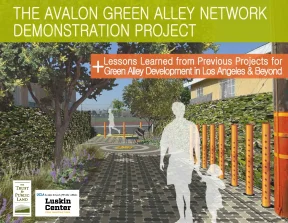
the avalon green alley network Demonstration project + Lessons Learned from Previous Projects for Green Alley Development in Los Angeles & Beyond Luskin School of Public Affairs Luskin School of Public Affairs The avalon green alley network Demonstration Project + Lessons Learned from Previous Projects for Green Alley Development in Los Angeles & Beyond March 2015 UCLA luskin center for innovation Acknowledgments Established with a gift from Renee and Meyer Luskin, the UCLA Luskin Center The authors would like to thank The Trust for Public Land for their support of for Innovation unites scholars with civic leaders to advance policy, planning this research. Special appreciation goes to Holly Elwell, Laura Ballock and and technological solutions to pressing environmental issues. Initiative areas Tori Kjer for their vision, thoughtful feedback and generously lending their time include the Complete Streets Initiative, which focuses on achieving more while sharing information. While too many to name, the authors also thank livable, complete streets and other routes for people to travel safely regardless the managers of the other green alley projects and programs described in this of their transportation mode, ability or age. The following researchers from UCLA contributed to this report: For more information Rachel Lindt, Project Manager and Lead Author Contact the UCLA Luskin Center for Innovation: www.edu/ Colleen Callahan, Project Director and Editor Copyright 2014 by the Regents of the University of California, Los Angeles. DeShazo, Director, Luskin Center All rights reserved. Elizabeth Bieber, Copy Editor Printed in the United States. the trust for public land Cover page image credit: SALT Landscape Architects Inside cover image credit: The Trust for Public Land and SALT Landscape This report is commissioned by The Trust for Public Land, a U. national, Architects nonprofit organization that conserves land for people to enjoy as parks, gardens, natural areas and open space. The report tells the story of the Avalon Green Alley Network Demonstration project. This project is part of The Trust for Public Land’s Parks for People initiative, which focuses on collaborations with underserved, park-poor communities to ensure that everyone has parks, gardens, playgrounds, trails and other natural places within a ten-minute walk from home.1 The Avalon Project is also part of The Trust for Public Land’s Climate-Smart Cities Program and Green Infrastructure Program, as an example of how green infrastructure can be woven into the built environment to promote climate resiliency.2 Table of contents Chapter 3. The Avalon Green Alley Network Demonstration Project Chapter 1. Introduction Introduction 37 Overview and Importance 38 Purpose of this Report 10 Status 38 Report Overview and Methods 11 Rationale 40 Rationale 12 Goals 41 Green Alley Basics 14 Steps to Alley Transformation 42 A Green Alley Framework 15 1) Laying the Foundation with 43 a) Research and Pre-Design Studies 43 Chapter 2. Broader Context: Project and Program b) Political and Municipal Support 44 Examples from Across North America c) Ongoing and Integrated Community Outreach and Engagement 46 Introduction 19 2) Partnerships and Funding 48 Environmental Focus 3) Design and Permitting; 52 • Chicago’s Green Alley Program 20 Next Steps 59 • Sun Valley’s Elmer Paseo Stormwater Improvements Project 22 4) Construction and Implementation 59 Economic Focus 5) Maintenance and Stewardship 61 • Hollywood’s East Cahuenga Alley Revitalization Project 24 6) Monitoring and Evaluation 63 Social Focus Thinking Big: Going Beyond the Avalon Green Alley Network • Seattle’s Alley Network Project 26 Demonstration Project 64 • Boyle Heights’ Alley Reclamation 28 Multi-Foci Chapter 4. Lessons Learned from the Avalon Green Alley Network • Austin’s Green Alley Initiative and Demonstration Project 30 Demonstration Project Introduction 68 Laying the Foundation 69 Partnerships and Funding 70 Design and Permitting 74 Challenge, Creative Solution and Unique Opportunity 82 Conclusion 85 Figure 12: Neighborhood party in Post Alley, Seattle List of figures Image Credit: Mitch Reinitz 26 Figure 1: South Los Angeles in the context of the County of Los Angeles; Figure 13: World Cup in Nord Alley 2010 The Avalon Project site location in South Park neighborhood Image Credit: Jordan Lewis 27 Image Credit: The Trust for Public Land 10 Figure 14: Murals and painted pavement in an alley in Boyle Heights Figure 2: Current conditions of an alley in the South Park neighborhood Image Credit: Kris Fortin, LAStreetsblog 28 of South Los Angeles Image Credit: The Trust for Public Land 11 Figure 15: Painted alley floor in Boyle Heights Image Credit: Boyle Heights Beat 29 Figure 3: Alley density in the city of Los Angeles, by subregion Image Credit: J. Newell et al. (2010) 12 Figure 16: Alley flat prototype two: Lydia Street Image Credit: The Alley Flat Initiative 30 Figure 4: Density in the Avalon Green Alley Network Demonstration Project site area Figure 17: Before and after view of alley with multi-functional planters and Image Credit: The Trust for Public Land 13 native landscaping, along with community members Image Credit: The City of Austin, Office of Sustainability 31 Figure 5: Green alley framework Image Credit: Authors 16 Figure 18: Planters in Guadalupe neighborhood alley in East Austin, designed and constructed by University of Austin students Figure 6: Chicago alley with impermeable pavement and poor drainage Image Credit: University of Texas at Austin 32 before improvements Image Credit: The City of Chicago Green Alley Handbook 20 Figure 19: Conceptual rendering of the Green Alley Demonstration Project Image Credit: The City of Austin, Office of Sustainability 32 Figure 7: Chicago green alley with permeable pavement that reduces flooding in a cost-effective manner Figure 20: Conceptual rendering of the Avalon Project Image Credit: The City of Chicago Green Alley Handbook 21 Image Credit: SALT Landscape Architects 37 Figure 8: Flooding in Elmer Paseo before improvements Figure 21: Community residents cleaning an alley in the Image Credit: The Council for Watershed Health 22 Avalon Project site Image Credit: The Trust for Public Land 38 Figure 9: Elmer Paseo after improvements Image Credit: The Council for Watershed Health 23 Figure 22: The Avalon Project site Image Credit: The Trust for Public Land and SALT Landscape Architects 39 Figure 10 The East Cahuenga Alley before revitalization Image Credit: The Department of Public Works, The City of Los Angeles 24 Figure 23: Level of park need in the City of Los Angeles with circle indicating the boundaries of the South Park neighborhood Figure 11: The East Cahuenga Alley after revitalization Image Credit: The Trust for Public Land 2014 ParkScore© Index 40 Image Credit: Sarah McPherson Besley, Hollywood Business Improvement District 25 Figure 24: Existing conditions of an alley in the South Park neighborhood Figure 34: Two examples of green alley scenarios with standing water developed by the City of Los Angeles’ Green Alley Subcommittee Image Credit: The Trust for Public Land 41 Image Credit: The City of Los Angeles 52 Figure 25: Existing conditions of an alley in the South Park neighborhood Figure 35: Conceptual rendering of the Avalon Project with illegal dumping Image Credit: SALT Landscape Architects 53 Image Credit: The Trust for Public Land 43 Figure 36: Conceptual rendering of the T-shaped alley, Figure 26: Gated alley in the city of Los Angeles pedestrian-only zone located in the northeastern corner of the network Image Credit: theeastsiderla.com 44 Image Credit: SALT Landscape Architects 55 Figure 27: Early analysis of the Avalon Project site area showing Figure 37: Priortization of streetscape improvements a lack of street trees Image Credit: The Trust for Public Land and SALT Landscape Architects 56 Image Credit: The Trust for Public Land and SALT Landscape Architects 45 Figure 38: Conceptual rendering of the Avalon Project’s permeable Figure 28: The Trust for Public Land presenting paving and catch basins images of options for the Avalon Project to gain feedback Image Credit: SALT Landscape Architects 57 Image Credit: The Trust for Public Land 46 Figure 39: Conceptual rendering of vine plantings Figure 29: Interactive flip books presenting green alley options to residents Image Credit: SALT Landscape Architects 58 Image Credit: The Trust for Public Land 47 Figure 40: Construction details of the vine plantings Figure 30: The Los Angeles Police Department, Community-Policy Image Credit: SALT Landscape Architects 58 Advisory Board, Newton Division participating in community event in an alley in the Avalon Project site area Figure 41: Community residents participating in a tree care workshop Image Credit: The Trust for Public Land 48 Image Credit: The Trust for Public Land 60 Figure 31: ‘No Dumping’ Spanish sign posted in alleys in the Avalon Project site area Figure 42: Community residents and project partners removing Image Credit: The Trust for Public Land 49 trash from South Park neighborhood’s alleys Image Credit: The Trust for Public Land 61 Figure 32: U. Representative Lucille Roybal-Allard and Los Angeles City Councilman Curren Price, whose respective Figure 43: Members of the Avalon Green Alley Team maintaining districts encompass the Avalon Project site, with students and faculty alleys in the Avalon Project’s site area of Maya Angelou Community High School, the Avalon Green Alley Image Credit: The Trust for Public Land 62 Green Team and The Trust for Public Land staff Image Credit: The Trust for Public Land 49 Figure 44: Existing conditions of alleys in South Los Angeles Image Credit: The Trust for Public Land 64 Figure 33: Alley clean up in an Avalon Project alley site Image Credit: The Trust for Public Land 50 Figure 45: Conceptual rendering of the Avalon Project Image Credit: SALT Landscape Architects 68 Figure 46: Christmastime posada (potluck) Figure 58: A team of stakeholders and residents painting the walls Image Credit: The Trust for Public Land 69 of Elmer Paseo Image Credit: Urban Applications 78 Figure 47: Boyle Heights resident sweeping in a revitalized green alley Image Credit: Boyle Heights Beat 70 Figure 59: Stamped pavement decal in Chicago’s green alleys Image Credit: Kate A. Ekman 78 Figure 48: Avalon Green Alley Team t-shirt Image Credit: The Trust for Public Land 71 Figure 60: Birthday party held in a Boyle Heights alley with the help of movable plastic chairs Figure 49: Community residents and project partners connecting Image Credit: Kris Fortin/LAStreetsblog 79 with local police force Image Credit: The Trust for Public Land 71 Figure 61: Lightweight and moveable additional seating for restaurants adjacent to EaCa Alley Figure 50: The City of Chicago’s Green Alley Handbook Image Credit: Sarah McPherson- Besley, Hollywood Business Image Credit: The City of Chicago 72 Improvement District 79 Figure 51: Grand opening of the EaCa Alley in Hollywood with Figure 62: Reception for adjacent gallery in a Seattle, Washington alley city officials and project partners Image Credit: The Beverly Press 73 Image Credit: Mira Poling 80 Figure 52: DIY string lighting in an alley in Seattle, Washington. Figure 63: Conceptual rendering of the Avalon Project Image Credit: Mitch Reinitz 74 Image Credit: SALT Landscape Architects 81 Figure 53: Graphic of dark sky compliant alley light fixture Figure 64: Design exploration for features of the Avalon Project Image Credit: The City of Chicago 74 Image Credit: The Trust for Public Land 82 Figure 54: Alley closure, gained through permits from the City of Seattle, Figure 65: An alley in South Los Angeles with potential for transformation allow for events in Seattle’s alleys Image Credit: Kari Quaas 75 Image Credit: The Trust for Public Land 85 Figure 55: Resident-designed and constructed movable planter Image Credit: Kris Fortin/ LAStreetsblog 76 Figure 56: Movable planters add greenery and help block vehicle access to alley during alley events Image Credit: Kris Fortin/ LAStreetsblog 76 Figure 57: Grasscrete image and diagram Image Credit: Sustainable Paving Systems, LLC; The City of Los Angeles 77 chapter 1 introduction facilitators, the amount of resources available and the surrounding land Purpose of this Report uses. Alleys are functional spaces used for a diverse range of activities. However, urban alleys are largely underutilized and understudied.3 This report provides a case study of the current Avalon Green Alley Cities across the United States are realizing the potential for alleys to Network Demonstration Project (the Avalon Project). The Avalon operate as more than single-function spaces for vehicle use.

Nội dung được bảo vệ bản quyền — Tải xuống đầy đủ