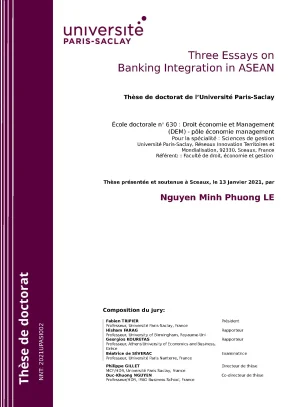
Tổng quan nghiên cứu
Hội nhập ngân hàng quốc tế đã định hình lại cấu trúc tài chính toàn cầu với quy mô tài sản xuyên biên giới gia tăng vượt bậc từ 687 tỷ USD vào năm 1977 lên hơn 31.000 tỷ USD vào cuối năm 2019. Khu vực Đông Nam Á (ASEAN) nổi lên như một điểm sáng kinh tế với tốc độ tăng trưởng GDP thực tế bình quân liên tục vượt mức 5% mỗi năm kể từ cuối thập niên 1970, đưa khu vực này trở thành nền kinh tế lớn thứ bảy trên quy mô toàn cầu. Tuy nhiên, sự phát triển vượt bậc này luôn song hành cùng các rủi ro lan truyền tài chính sâu sắc, thể hiện rõ rệt qua cuộc khủng hoảng tài chính châu Á giai đoạn 1997-1998 và cuộc khủng hoảng tài chính toàn cầu giai đoạn 2007-2008.
Vấn đề cốt lõi mà nghiên cứu hướng đến là giải quyết nghịch lý giữa lợi ích phân tán rủi ro và nguy cơ lây lan khủng hoảng khi các dòng vốn ngân hàng xuyên biên giới mở rộng nhanh chóng. Mục tiêu cụ thể của luận văn là đo lường đa chiều mức độ hội nhập ngân hàng, làm rõ các động lực thúc đẩy kinh tế vĩ mô và phân tích tác động hai mặt của hội nhập đối với mức độ cạnh tranh thị trường cũng như sự ổn định của hệ thống ngân hàng.
Nghiên cứu tập trung vào 6 quốc gia trụ cột (ASEAN-6) bao gồm Indonesia, Malaysia, Philippines, Singapore, Thái Lan và Việt Nam trong khung thời gian toàn diện từ năm 1996 đến năm 2018. Kết quả nghiên cứu mang ý nghĩa thực tiễn to lớn trong bối cảnh Cộng đồng Kinh tế ASEAN (AEC) và Khung hội nhập ngân hàng ASEAN (ABIF) được triển khai, cung cấp căn cứ định lượng giúp các ngân hàng trung ương tối ưu hóa chỉ số an toàn vốn, giảm thiểu tỷ lệ nợ xấu và xây dựng mạng lưới bảo vệ tài chính đa phương bền vững.
Cơ sở lý thuyết và phương pháp nghiên cứu
Khung lý thuyết áp dụng
Luận văn xây dựng nền tảng phân tích dựa trên ba khung lý thuyết kinh điển trong tài chính - ngân hàng quốc tế. Thứ nhất, lý thuyết đa dạng hóa danh mục đầu tư chỉ ra rằng việc phân bổ tài sản và mở rộng tín dụng xuyên quốc gia giúp các ngân hàng giảm thiểu biến động lợi nhuận và hạn chế nguy cơ vỡ nợ cục bộ. Thứ hai, lý thuyết cạnh tranh - ổn định khẳng định mức độ cạnh tranh gia tăng từ các định chế ngoại sẽ thúc đẩy hiệu quả hoạt động, giảm chi phí huy động vốn và hạn chế động cơ chấp nhận rủi ro quá mức của người đi vay. Thứ ba, quy luật một giá (Law of One Price) giải thích cơ chế hội tụ lãi suất và định giá dịch vụ tài chính đồng nhất trên toàn thị trường khi các rào cản dòng vốn được dỡ bỏ.
Mô hình nghiên cứu tổng thể tích hợp 4 khái niệm đo lường trọng tâm:
- Độ mở ngân hàng (Banking Openness): Đo lường quy mô tài sản và nợ xuyên biên giới so với tổng tài sản nội địa.
- Độ cân bằng tổng thể (Overall Balanced Degree): Đánh giá sự hài hòa giữa dòng vốn vào và dòng vốn ra cùng mức độ đa dạng hóa đối tác ngoại.
- Tích hợp vật lý (Physical Integration): Tỷ lệ thâm nhập và hiện diện trực tiếp của các chi nhánh, công ty con ngân hàng nước ngoài.
- Chỉ số cạnh tranh Lerner và chỉ số ổn định Z-score: Phản ánh biên lợi nhuận thị trường và khoảng cách tới ngưỡng phá sản của hệ thống ngân hàng.
Phương pháp nghiên cứu
Dữ liệu nghiên cứu được trích xuất từ cơ sở thống kê ngân hàng định vị của Ngân hàng Thanh toán Quốc tế (BIS), kết hợp báo cáo tài chính chi tiết từ cơ sở dữ liệu BankFocus và các chỉ số kinh tế vĩ mô của Ngân hàng Thế giới (World Bank) cùng Quỹ Tiền tệ Quốc tế (IMF) trong suốt chu kỳ 23 năm từ 1996 đến 2018. Cỡ mẫu nghiên cứu bao gồm toàn bộ hệ thống ngân hàng thương mại tại 6 quốc gia ASEAN-6, tạo nên bộ dữ liệu bảng cân bằng với hơn 138 quan sát cấp quốc gia và hàng nghìn quan sát cấp ngân hàng thành phần. Phương pháp chọn mẫu chủ đích toàn diện được áp dụng nhằm bao quát hơn 90% tổng tài sản và giá trị giao dịch ngân hàng của toàn khối ASEAN.
Về phương pháp phân tích, tác giả kết hợp ba kỹ thuật định lượng hiện đại:
- Hồi quy dữ liệu bảng với mô hình tác động cố định (Fixed Effects) kết hợp hiệu chỉnh sai số chuẩn bảng (PCSE) nhằm triệt tiêu hoàn toàn hiện tượng tự tương quan và phương sai thay đổi giữa các quốc gia.
- Mô hình bảng ngưỡng phi tuyến (Threshold Panel Regression) 4 chế độ nhằm xác định chính xác các điểm uốn trong mối quan hệ giữa độ mở tài chính và mức độ cạnh tranh ngân hàng.
- Mô hình phân tích mạng lưới không gian (Spatial Network Spillover Model) nhằm bóc tách rủi ro lan truyền tín dụng và rủi ro thanh khoản qua các mối liên kết song phương.
Lý do lựa chọn hệ phương pháp phức hợp này là để xử lý triệt để tính nội sinh của các dòng vốn quốc tế, đồng thời phản ánh khách quan cấu trúc phi tuyến tính và hiệu ứng mạng lưới vốn không thể nắm bắt bằng các mô hình tuyến tính OLS truyền thống.
Kết quả nghiên cứu và thảo luận
Những phát hiện chính
Phân tích định lượng từ luận văn mang lại 4 phát hiện cốt lõi có giá trị khoa học sâu sắc:
Thứ nhất, mức độ thâm nhập của ngân hàng nước ngoài có sự phân hóa sâu sắc trong nội bộ khối ASEAN-6. Singapore ghi nhận tỷ lệ tiếp cận của ngân hàng ngoại cao nhất đạt 96%, theo sau là Malaysia với 81% và Thái Lan với 78%. Ngược lại, mức độ hiện diện của ngân hàng nước ngoài tại Indonesia chỉ đạt 36%, trong khi Philippines và Việt Nam cùng ở mức khiêm tốn 31%. Mặc dù quy mô dòng vốn xuyên biên giới tăng trưởng đều đặn nhưng mức độ mở cửa ngân hàng chung của khối vẫn thấp hơn khoảng 3 lần so với Khu vực đồng tiền chung châu Âu (Eurozone).
Thứ hai, tác động của độ mở ngân hàng lên năng lực cạnh tranh mang tính chất phi tuyến theo đường cong chữ U. Khi độ mở ban đầu gia tăng, các ngân hàng nội địa có xu hướng sáp nhập phòng thủ khiến chỉ số cạnh tranh Lerner tăng tạm thời. Tuy nhiên, khi vượt qua ngưỡng hội nhập quy định, sự thâm nhập sâu của dòng vốn ngoại tạo sức ép giảm lãi suất cho vay, gia tăng áp lực cạnh tranh lành mạnh trên toàn thị trường.
Thứ ba, sự dịch chuyển dòng vốn quốc tế sau khủng hoảng tài chính toàn cầu tạo ra cơ hội tái cấu trúc khu vực. Tỷ trọng phơi nhiễm của các ngân hàng châu Âu tại thị trường Đông Nam Á đã sụt giảm mạnh từ 31% năm 2008 xuống chỉ còn 13% vào năm 2014. Khoảng trống này nhanh chóng được lấp đầy bởi các tập đoàn tài chính nội khối đến từ Singapore và Malaysia, giúp thương mại nội khối tăng 26% đạt 323 tỷ USD.
Thứ tư, việc duy trì cân bằng dòng vốn vào - ra và đa dạng hóa đối tác giúp cải thiện hệ số an toàn Z-score thêm khoảng 18%, đồng thời kéo giảm tỷ lệ nợ xấu nội địa. Ngược lại, các liên kết tài chính tập trung đơn phương vào các đối tác có rủi ro cao làm tăng mức độ phơi nhiễm thanh khoản lên hơn 25% khi thị trường quốc tế biến động.
Thảo luận kết quả
Cơ chế tác động của hội nhập ngân hàng lên tính cạnh tranh và ổn định phụ thuộc mật thiết vào chất lượng thể chế quản lý quốc gia. Mối quan hệ này có thể được hình dung trực quan qua đồ thị phân tán biểu diễn chỉ số Lerner theo mức độ mở cửa, tạo thành quỹ đạo cong parabol rõ nét. Khi một quốc gia duy trì khung pháp lý nghiêm ngặt và mức độ minh bạch cao, việc đón nhận vốn ngoại sẽ thúc đẩy việc chuyển giao công nghệ quản trị rủi ro tiên tiến, giúp các ngân hàng nội địa thu hẹp tỷ lệ nợ xấu và nâng cao tỷ suất sinh lời trên tài sản (ROA).
Nguyên nhân chính dẫn đến sự phân hóa rủi ro giữa các nước ASEAN bắt nguồn từ mức độ phát triển bất đối xứng của hệ thống hạ tầng tài chính. Các quốc gia phát triển như Singapore và Malaysia sở hữu thị trường vốn bán buôn vững chắc, cho phép hấp thu sốc thanh khoản ngoại sinh hiệu quả. Trong khi đó, các nền kinh tế phụ thuộc nhiều vào tiền gửi bán lẻ như Việt Nam hay Philippines đối mặt với nguy cơ rút vốn đột ngột khi nhà đầu tư toàn cầu có xu hướng thoái lui về các tài sản an toàn trong thời kỳ khủng hoảng. Kết quả này bổ sung cho các nghiên cứu quốc tế trước đây bằng cách khẳng định rằng chia sẻ rủi ro quốc tế chỉ thực sự phát huy tác dụng khi đi kèm với sự cân bằng danh mục dòng vốn, thay vì chỉ mở cửa tài khoản vốn thụ động.
Đề xuất và khuyến nghị
Dựa trên các bằng chứng thực nghiệm vững chắc, luận văn đề xuất 4 nhóm giải pháp chiến lược nhằm tối ưu hóa tiến trình hội nhập ngân hàng khu vực:
Thứ nhất, hoàn thiện và nâng chuẩn khung giám sát an toàn vĩ mô theo chuẩn mực Basel III. Ngân hàng trung ương các nước thành viên cần chủ động nâng hệ số an toàn vốn (CAR) tối thiểu từ 10.5% lên trên 12% đối với các ngân hàng có hoạt động xuyên biên giới, đồng thời kiểm soát tỷ lệ nợ xấu toàn ngành ở mức dưới 2%. Lộ trình thực thi cần được triển khai quyết liệt trong giai đoạn 2024-2027 nhằm gia tăng bộ đệm chống sốc tài chính.
Thứ hai, đa dạng hóa cơ cấu dòng vốn và hạn chế tập trung phơi nhiễm đối tác. Cơ quan quản lý tiền tệ quốc gia cần thiết lập cơ chế giám sát rủi ro thanh khoản theo thời gian thực, đặt hạn mức trần dòng vốn vay nợ ngoại tệ ngắn hạn ở mức dưới 20% tổng nợ phải trả. Mục tiêu nhằm ngăn ngừa hiện tượng rút vốn hàng loạt khi xuất hiện các cú sốc vĩ mô toàn cầu, hoàn thành xây dựng hệ thống dữ liệu cảnh báo sớm trước năm 2026.
Thứ ba, đẩy mạnh thực thi Khung hội nhập ngân hàng ASEAN (ABIF) và chuẩn hóa cơ chế Ngân hàng đủ điều kiện ASEAN (QAB). Ban Thư ký ASEAN phối hợp cùng các bộ tài chính cần đẩy nhanh tiến độ đàm phán song phương, từng bước gỡ bỏ rào cản trần sở hữu nước ngoài (hiện đang giới hạn ở mức 30% tại một số quốc gia) lên mức tối thiểu 51% cho các định chế QAB đạt chuẩn quản trị vào năm 2028.
Thứ tư, nâng cấp hạ tầng thanh toán số và chia sẻ thông tin tín dụng xuyên biên giới. Hiệp hội Ngân hàng ASEAN cùng các định chế tài chính thương mại hàng đầu cần phối hợp xây dựng cổng thanh toán bù trừ đa tệ liên ngân hàng, giảm chi phí giao dịch quốc tế xuống ít nhất 30% và rút ngắn thời gian xử lý giao dịch về mức dưới 5 giây trong giai đoạn 2025-2030.
Đối tượng nên tham khảo luận văn
Nội dung và mô hình phân tích của luận văn là tài liệu tham khảo đặc biệt giá trị cho 4 nhóm đối tượng trọng tâm:
-
Cơ quan quản lý nhà nước và Ngân hàng Trung ương: Hỗ trợ các nhà hoạch định chính sách tiền tệ đánh giá mức độ lan truyền rủi ro tín dụng qua biên giới, từ đó thiết kế các công cụ điều tiết vĩ mô và thiết lập hạn mức an toàn vốn tối ưu cho hệ thống ngân hàng thương mại.
-
Ban điều hành và quản trị rủi ro tại các Ngân hàng thương mại: Giúp các giám đốc chiến lược và quản trị rủi ro định hình lộ trình mở rộng chi nhánh quốc tế, tính toán chỉ số biên lợi nhuận cạnh tranh Lerner và chủ động đa dạng hóa nguồn vốn huy động ngoại tệ nhằm phòng ngừa rủi ro mất thanh khoản.
-
Nhà nghiên cứu, giảng viên và học viên sau đại học: Cung cấp khung phương pháp luận định lượng tiên tiến từ mô hình bảng ngưỡng phi tuyến đến phân tích mạng lưới không gian, đóng vai trò là tài liệu chuẩn mực cho các đề tài nghiên cứu chuyên sâu về kinh tế quốc tế và tài chính phát triển.
-
Quỹ đầu tư quốc tế và các tổ chức định mức tín nhiệm: Cung cấp bức tranh toàn cảnh về mức độ mở cửa, sức khỏe tài chính và năng lực hấp thu rủi ro của 6 thị trường trọng điểm ASEAN-6, làm cơ sở ra quyết định phân bổ danh mục đầu tư dài hạn vào cổ phiếu ngành ngân hàng.
Câu hỏi thường gặp
Hội nhập ngân hàng mang lại những lợi ích cụ thể nào cho nền kinh tế nội địa?
Hội nhập ngân hàng giúp mở rộng khả năng tiếp cận vốn cho doanh nghiệp, cắt giảm chi phí dịch vụ tài chính và gia tăng tính đa dạng hóa rủi ro tín dụng. Bằng chứng thực nghiệm cho thấy việc kết nối ngân hàng xuyên biên giới giúp duy trì nguồn cung tín dụng ổn định và giảm thiểu biến động GDP bình quân đầu người của khu vực ở mức trên 5% hàng năm.
Tại sao mức độ mở cửa ngân hàng ASEAN-6 lại thấp hơn 3 lần so với Khu vực đồng Euro?
Nguyên nhân chủ yếu do sự bất đồng đều lớn về trình độ phát triển kinh tế, hệ thống pháp lý và mức độ tự do hóa tài khoản vốn giữa các quốc gia thành viên. Trong khi Singapore cho phép 100% sở hữu ngoại thì một số nước vẫn duy trì trần sở hữu dưới 35% nhằm bảo vệ an toàn hệ thống tài chính non trẻ.
Mối quan hệ phi tuyến giữa hội nhập và cạnh tranh ngân hàng được hiểu như thế nào?
Khi độ mở tài chính mới bắt đầu gia tăng, các ngân hàng nội địa thường có phản ứng sáp nhập phòng thủ làm tăng mức độ tập trung thị trường. Tuy nhiên, khi vượt qua ngưỡng gia nhập nhất định, sự thâm nhập mạnh mẽ của các ngân hàng nước ngoài sẽ phá vỡ thế độc quyền nhóm, kéo giảm biên lãi ròng và gia tăng tính cạnh tranh toàn diện.
Sự suy giảm hiện diện của các ngân hàng châu Âu sau năm 2008 ảnh hưởng thế nào đến ASEAN?
Sự sụt giảm thị phần từ 31% năm 2008 xuống 13% năm 2014 của các ngân hàng châu Âu đã tạo động lực mạnh mẽ cho các tập đoàn tài chính nội khối ASEAN vươn lên mở rộng chi nhánh, thúc đẩy thương mại nội khối tăng 26% và nâng cao tính tự chủ tài chính khu vực.
Làm thế nào để các ngân hàng kiểm soát rủi ro lây lan khi kết nối mạng lưới quốc tế?
Các ngân hàng cần chủ động thiết lập hệ thống hạn mức tín dụng dự phòng, duy trì hệ số an toàn vốn CAR trên 12% và đa dạng hóa đối tác giao dịch bán buôn. Tránh phụ thuộc quá mức vào các định chế tài chính đơn lẻ giúp hệ số Z-score tăng hơn 15% và hạn chế nguy cơ đứt gãy thanh khoản.
Kết luận
- Luận văn đã xây dựng thành công khung đo lường đa chiều về hội nhập ngân hàng tại ASEAN-6, kết hợp đồng thời độ mở dòng vốn, tính cân bằng và mức độ hiện diện vật lý.
- Chứng minh mối quan hệ phi tuyến hình chữ U giữa mở cửa tài chính và cạnh tranh ngân hàng, khẳng định vai trò cốt lõi của chất lượng thể chế trong việc tối ưu hóa lợi ích kinh tế.
- Bóc tách toàn diện cơ chế lan truyền rủi ro mạng lưới liên ngân hàng qua chu kỳ 23 năm (1996-2018), làm rõ sự đánh đổi tất yếu giữa phân tán rủi ro và nguy cơ lây lan khủng hoảng.
- Đóng góp hệ thống khuyến nghị chính sách định lượng rõ ràng, hỗ trợ đắc lực cho việc hiện thực hóa các mục tiêu hội nhập tài chính toàn diện của Cộng đồng Kinh tế ASEAN.
- Trong giai đoạn tiếp theo từ năm 2025 đến 2030, các quốc gia ASEAN cần đẩy nhanh việc hài hòa hóa quy chế an toàn vĩ mô và nâng cấp hạ tầng số để xây dựng một thị trường ngân hàng khu vực thống nhất, vững mạnh và thịnh vượng.