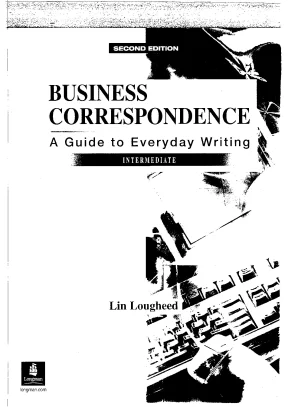
Giáo trình Business Correspondence: A Guide to Everyday Writing (Second Edition) – Phân tích Học thuật và Cấu trúc Nội dung
Tổng quan về giáo trình (250-300 từ)
Business Correspondence: A Guide to Everyday Writing (Second Edition), do Lin Lougheed biên soạn và Pearson Education (Longman ELT Division) xuất bản năm 2003 (ISBN: 0-13-089792-2), là giáo trình chuyên khảo về văn bản thương mại dành cho người học trình độ Trung cấp (Intermediate). Trong chương trình đào tạo bậc đại học và cao đẳng, giáo trình này định vị trong khối kiến thức Tiếng Anh Thương mại (Business English), Tiếng Anh Chuyên ngành Kinh tế - Quản trị, hoặc nghiệp vụ Soạn thảo Văn bản Thương mại.
Mục tiêu học tập trọng tâm của tài liệu bao gồm:
- Trang bị năng lực nhận diện, phân tích và soạn thảo bốn phương tiện trao đổi thông tin phổ biến trong doanh nghiệp: thư tín (letters), thư điện tử (e-mails), bản ghi nhớ nội bộ (memos) và điện sao (faxes).
- Xây dựng phản xạ sử dụng ngôn ngữ thương mại chuẩn xác, lịch sự, đúng trọng tâm và phù hợp với từng bối cảnh giao tiếp.
- Nắm vững hệ thống quy tắc ngữ pháp chức năng, dấu câu và các định dạng trình bày văn bản (Block, Semi-block, Indented style).
Cấu trúc giáo trình gồm 15 bài học (Units) cùng 4 phần phụ trợ: bài kiểm tra chẩn đoán năng lực (Test Yourself, tr. v), hướng dẫn sư phạm (To the Teacher, tr. vi-x), phần tra cứu định dạng (Reference, tr. 131-138), bảng giải nghĩa thuật ngữ (Glossary, tr. 139-143) và đáp án chi tiết (Answer Key, tr. 144-148).
Điểm đặc trưng trong phương pháp tiếp cận của giáo trình là thiết kế các bài học theo cặp tương tác logic giữa hai chiều giao tiếp: văn bản khởi tạo yêu cầu (initiating) và văn bản phản hồi (responding). Đồng thời, cấu trúc phần thân của mọi văn bản đều được chuẩn hóa thành mô hình 4 thành phần cố định: Mở đầu (Opening), Trọng tâm (Focus), Hành động (Action) và Kết thúc (Closing).
Nội dung kiến thức cốt lõi (500-600 từ)
CẤU TRÚC 4 THÀNH PHẦN CỦA VĂN BẢN THƯƠNG MẠI (4-PART FRAMEWORK)
Các chương và chủ đề chính
Nội dung 15 bài học phản ánh các nghiệp vụ hành chính - thương mại thường nhật:
- Unit 1 & Unit 2 (Tuyển dụng và Phản hồi Nhân sự): Unit 1 (Writing a Cover Letter, tr. 1) hướng dẫn cách phân tích thông báo tuyển dụng, đối chiếu kỹ năng qua biểu mẫu Job Requirements Chart, và soạn thư ứng tuyển. Unit 2 (Replying to a Job Applicant, tr. 9) tập trung vào quy trình xử lý hồ sơ nhân sự, phân loại ứng viên qua biểu mẫu Applicant Evaluation Chart để viết thư xác nhận tiếp nhận hồ sơ (acknowledgment), thư mời phỏng vấn (interview), hoặc thư từ chối (rejection).
- Unit 3 & Unit 4 (Giao dịch Dịch vụ): Unit 3 (Requesting a Service, tr. 19) sử dụng tình huống thực tế của công ty CellFirst đặt dịch vụ hội nghị tại Trung tâm Arrowhead East, yêu cầu người học lập Planning Log để xác định thiết bị nghe nhìn, số lượng phòng họp nhỏ (break-out rooms) và dịch vụ ăn uống. Unit 4 (Confirming a Service, tr. 27) hướng dẫn nhà cung ứng viết thư xác nhận thông tin và xử lý các điều khoản chưa thống nhất qua Action Log.
- Unit 5 & Unit 6 (Đặt hàng và Xử lý Đơn hàng): Unit 5 (Ordering Supplies, tr. 35) hướng dẫn hoàn thiện biểu mẫu đơn đặt hàng Purchase Order 113512 cho các linh kiện máy tính (chip set Intex 440SX, AGB 5/x/233, ổ đĩa Ultra ATA/88, Ardo 6L của Dalway Computers) và soạn fax đặt hàng. Unit 6 (Confirming an Order, tr. 43) tập trung xử lý đơn hàng, thông báo tình trạng hết hàng tạm thời (out of stock) hoặc đề xuất mặt hàng thay thế (substitute).
- Unit 7 & Unit 8 (Yêu cầu và Cung cấp Thông tin): Soạn thảo thư từ hỏi giá, tra cứu tính năng thiết bị và cách thức cung cấp bảng báo giá (price list), gửi tài liệu riêng (under separate cover).
- Unit 9 & Unit 10 (Khiếu nại và Giải quyết Khiếu nại): Unit 9 (Writing Claim Letters, tr. 67) hướng dẫn thông báo hàng hóa hư hỏng, thiếu hụt hoặc hóa đơn sai lệch một cách khách quan, tránh ngôn từ tiêu cực. Unit 10 (Writing Adjustment Letters, tr. 75) đưa ra phản hồi bồi thường (refund, replacement) nhằm duy trì quan hệ khách hàng.
- Unit 11 & Unit 12 (Đôn đốc Công nợ và Thanh toán): Soạn thư nhắc nợ (Reminder Letters) theo các mức độ từ trung tính đến nghiêm ngặt (Collection Letters), cũng như xử lý chứng từ thanh toán, ủy quyền chuyển khoản và lệnh dừng thanh toán séc (stop-payment order).
- Unit 13, 14 & 15 (Quan hệ Nội bộ, Khách hàng và Thư tín Cá nhân): Unit 13 (Writing Employee Relation Letters, tr. 99) bao gồm thư giới thiệu (letter of introduction), thông báo nhân sự (announcement) và thư giới thiệu năng lực (letter of reference). Unit 14 (Writing Customer Relations Letters, tr. 109) xử lý các thông báo khuyến mại, thay đổi địa điểm văn phòng và thu hồi sản phẩm lỗi (product recall). Unit 15 (Writing Personal Business Letters, tr. 121) bao gồm thư chúc mừng (congratulations), thư cảm ơn (thank-you) và thư chia buồn (condolences).
Kiến thức nền tảng được xây dựng
- Lý thuyết giao tiếp kinh doanh: Giáo trình xây dựng trên nguyên tắc giao tiếp hướng đích (transaction-based communication), yêu cầu văn bản đạt bốn tiêu chí: đúng trọng tâm (getting to the point), đầy đủ dữ liệu (thorough), ngắn gọn (concise) và lịch sự (polite).
- Ngữ pháp chức năng và Phong cách học: Phân biệt ranh giới giữa văn phong trang trọng (formal style) trong giao dịch đối ngoại và văn phong bán trang trọng/thân mật (informal style) trong bản ghi nhớ và thư điện tử nội bộ (Language Style, tr. viii-x). Hệ thống hóa các cấu trúc điều kiện lịch sự (Would/Could you please...), đại từ nhân xưng tham chiếu, danh động từ và động từ nguyên mẫu (gerunds/infinitives), số thứ tự và số đếm (ordinal/cardinal numbers), cùng quy tắc viết ngày tháng theo phong cách Mỹ (U.S. style: March 1, 20—) và quốc tế (Non-U.S. style: 1 March 20—).
Kỹ năng phát triển
- Kỹ năng kỹ thuật (Technical skills): Trình bày chuẩn xác các trường thông tin trên tiêu đề thư (Letterhead, Inside Address, Salutation với dấu hai chấm
:, Subject line, Reference line Re:, Enclosure, Carbon copy cc).
- Kỹ năng phân tích (Analytical skills): Trích xuất thông tin từ biểu đồ, văn bản hành chính (Job Advertisement, Memo, Production Schedule) để điền vào biểu mẫu nghiệp vụ; phát hiện và chỉnh sửa 10 đến 15 lỗi sai về chính tả, ngữ pháp và định dạng trong mỗi bài luyện sửa lỗi (Error identification & Proofreading).
- Kỹ năng thực hành nghiệp vụ (Practical competencies): Soạn thảo độc lập các văn bản đáp ứng tình huống giao dịch cụ thể với ngôn phong thương mại chuẩn mực.
Phương pháp giảng dạy và học tập (300-350 từ)
Giáo trình áp dụng mô hình sư phạm kết hợp giữa Học tập theo nhiệm vụ (Task-based Learning) và Phân tích thể loại văn bản (Genre-based Pedagogy). Tiến trình mỗi bài học được triển khai qua 6 giai đoạn chặt chẽ:
- Khởi động và Tiếp nhận Ngữ cảnh (Getting Started): Cung cấp 2 văn bản đầu vào xác thực (mẩu tin tuyển dụng, e-mail nội bộ, bảng báo giá). Người học thực hiện nhiệm vụ đọc hiểu để điền dữ liệu vào bảng phân tích (Job Requirements Chart, Planning Log, Applicant Evaluation Chart).
- Quan sát Mẫu chuẩn (Model Correspondence): Phân tích thư mẫu với chú thích chi tiết từng bộ phận và hộp công cụ ngôn ngữ hữu ích (Useful Language box).
- Cấu trúc hóa Thông điệp (Composing Your Message): Hướng dẫn xây dựng 4 phần (Opening, Focus, Action, Closing) qua bài tập trắc nghiệm phân biệt câu văn đạt chuẩn với câu sai lệch về nội dung hoặc phong cách.
- Ngữ pháp và Phong cách (Writing Your Message): Củng cố các chủ điểm ngữ pháp ứng dụng và các ghi chú thực tế trong hộp công cụ That's Good Business và Well Said.
- Hệ thống Bài tập Ba cấp độ (Letter Practice 1, 2, 3):
- Letter Practice 1 (Controlled practice): Điền từ/cụm từ vào văn bản khung.
- Letter Practice 2 (Guided/Proofreading practice): Đọc và sửa 10 lỗi sai cụ thể về dùng từ, dấu câu hoặc ngữ pháp.
- Letter Practice 3 (Independent production): Soạn thảo văn bản hoàn chỉnh dựa trên bảng dữ liệu cho sẵn (Applicant Log, Request Chart).
- Thuật ngữ và Tham chiếu (Words and Expressions to Know): Định hướng người học tra cứu các định nghĩa chuyên ngành tại mục Glossary (tr. 139-143).
Phương pháp đánh giá kết quả học tập được thực hiện thông qua bài kiểm tra chẩn đoán đầu khóa và cuối khóa (Test Yourself, tr. v), kết hợp hoạt động sửa bài chéo giữa người học (peer proofreading) theo gợi ý tại phần To the Teacher (tr. vi-vii). Người tự học có thể đối chiếu bài làm với phần Answer Key (tr. 144-148) để tự đánh giá mức độ tiếp thu.
Điểm nổi bật và cập nhật (250-300 từ)
Ấn bản thứ hai (Second Edition) của Business Correspondence mang đến những điểm cập nhật so với các tài liệu truyền thống:
- Tích hợp phương tiện giao tiếp kỹ thuật số: Giáo trình đưa thư điện tử (e-mail) và điện sao (fax) thành các phương tiện giao tiếp cốt lõi ngang hàng với thư tín giấy. Các bài học cung cấp quy chuẩn định dạng tiêu đề e-mail (Subject line), cách dùng dòng tham chiếu (Reference line/Re:), xử lý tập tin đính kèm (attachments), và quản lý văn phong thư điện tử.
- Hệ thống hóa phân biệt văn phong: Mục Language Style (tr. viii-x) phân tích chi tiết sự chuyển đổi giữa ngôn ngữ hội thoại/nội bộ thân mật và ngôn ngữ thư tín trang trọng qua các ví dụ thực tế:
- Informal: "A college degree is a must." $\rightarrow$ Formal: "A college degree is an essential requirement." (Unit 1, tr. viii).
- Informal: "I got a brochure." $\rightarrow$ Formal: "I received a brochure." (Unit 3, tr. viii).
- Informal: "Empress Trading sent back the accounting package—damaged CD." $\rightarrow$ Formal: "Empress Trading company returned the accounting package because the CD was damaged." (Unit 10, tr. ix).
- Mô phỏng dữ liệu kinh doanh quốc tế: Các tình huống thực hành gắn liền với hoạt động giao thương toàn cầu, từ đặt linh kiện công nghệ tại Singapore, Indonesia đến tổ chức sự kiện tại Hoa Kỳ, Đức, Tây Ban Nha, sử dụng hệ thống chứng từ thực tế như đơn đặt hàng (Purchase Order), tài khoản phải thu (accounts receivable), hóa đơn (invoice) và thủ tục bồi hoàn (refund/adjustment).
Đối tượng sử dụng giáo trình (200-250 từ)
- Nhóm người học chính quy: Sinh viên năm thứ 2 đến năm thứ 4 theo học các chương trình cử nhân hoặc cao đẳng thuộc các ngành: Ngôn ngữ Anh (chuyên ngành Tiếng Anh Thương mại/Biên - Phiên dịch), Quản trị Kinh doanh, Kinh doanh Quốc tế, Thương mại Quốc tế, Quản trị Văn phòng và Thư ký Doanh nghiệp.
- Yêu cầu kiến thức tiên quyết (Prerequisites): Người học cần đạt trình độ tiếng Anh từ Trung cấp (Intermediate - tương đương B1/B2 theo khung CEFR), đã nắm chắc các thì cơ bản, từ loại và cấu trúc câu ghép/phức thông dụng trong tiếng Anh.
- Đối với giảng viên: Tài liệu cung cấp phần To the Teacher (tr. vi-x) với đầy đủ giáo án gợi ý, hoạt động mở rộng đầu giờ (warm-up), hoạt động theo cặp/nhóm (pair/group work), và phương pháp hướng dẫn người học tự sửa lỗi văn bản.
- Đối với người tự học và tham khảo: Phù hợp với nhân viên văn phòng, trợ lý hành chính, chuyên viên mua hàng (purchasing specialists) và nhân viên quan hệ khách hàng cần một tài liệu tra cứu mẫu câu và định dạng văn thư thương mại chuẩn xác.
Câu hỏi thường gặp (250-300 từ)
1. Giáo trình này phù hợp với đối tượng nào?
Giáo trình được thiết kế cho người học tiếng Anh trình độ Trung cấp (Intermediate), bao gồm sinh viên chuyên ngành kinh tế, ngoại ngữ và nhân sự doanh nghiệp cần phát triển kỹ năng viết thư tín thương mại.
2. Người học cần chuẩn bị kiến thức nền tảng gì trước khi học?
Người học cần có năng lực ngữ pháp tiếng Anh trung cấp, khả năng đọc hiểu các văn bản thông tin cơ bản và hiểu biết sơ lược về các hoạt động văn phòng (họp hành, đặt hàng, tuyển dụng).
3. Điểm khác biệt của giáo trình so với các tài liệu viết thông thường là gì?
Giáo trình tổ chức bài học theo cặp tương tác (khởi tạo - phản hồi), chuẩn hóa thân bài theo mô hình 4 phần (Opening, Focus, Action, Closing) và tích hợp các bài tập sửa lỗi sai thực tế (Proofreading practice) ở mỗi bài học.
4. Phương pháp tự học giáo trình này như thế nào để đạt hiệu quả?
Người tự học nên thực hiện bài kiểm tra Test Yourself (tr. v) ở đầu khóa, hoàn thành lần lượt 6 phần trong từng Unit, tự đối chiếu bài làm với phần Answer Key (tr. 144-148), và tra cứu các định dạng chuẩn tại phần Reference (tr. 131-138).
5. Giáo trình có các tài liệu bổ trợ nào đi kèm?
Ấn bản bao gồm phần tra cứu định dạng văn bản (Reference), bảng thuật ngữ kinh doanh kèm ví dụ (Glossary), đáp án toàn bộ bài tập (Answer Key), cùng hệ thống tài nguyên bổ trợ trực tuyến trên website của Nhà xuất bản Pearson/Longman.
Kết luận (150 từ)
Business Correspondence: A Guide to Everyday Writing (Second Edition) của Lin Lougheed cung cấp khung phương pháp luận hoàn chỉnh về kỹ năng soạn thảo văn bản hành chính - thương mại. Giáo trình định hình năng lực biên soạn văn bản qua quy trình: phân tích dữ liệu đầu vào $\rightarrow$ tiếp cận văn bản mẫu $\rightarrow$ thực hành ngữ pháp chức năng $\rightarrow$ sản sinh văn bản độc lập.
Tiến trình học tập đề xuất:
- Làm bài kiểm tra chẩn đoán ban đầu (Test Yourself).
- Học tuần tự 15 Unit theo cặp nghiệp vụ tương ứng.
- Hoàn thành bài tập sửa lỗi và viết độc lập.
- Tự kiểm tra với Answer Key.
Tài liệu tham chiếu bổ trợ khuyến nghị gồm phần Reference (tr. 131), Glossary (tr. 139) và từ điển Longman Dictionary of American English.